BED BUGS DESCRIPTION
Bed bugs are small but very much visible to the eye. They’re large enough to see without magnification; they can grow up to 1/4 inch long. Young hatch looking much like adults but smaller. Most species will appear as transparent tan or beige in color but will quickly turn dark brown, almost black, once they’ve fed. Bed bugs have almost a round body though it appears to be more oval upon closer observation. Bed bugs have six legs and are very good walkers.
Related articles: BAT BUGS CHIGGERS DUST MITES ITCH MITES STRAW ITCH MITES
Bed bugs are in the family of cimicidae which are insects that have short forewings, oval to round body shapes and a flat profile. They are parasites of mammals and birds and though generally animal specific, bed bugs will feed on any animal that can provide a blood meal when faced with limited selections. There are over 100 species around the world with over 15 existing in the continent of North America. It is easy to identify a bed bug but very hard to determine just which species it may be.
THE HISTORY OF BED BUGS
Of all the pests mankind has had to endure over time, bed bugs might very well be the most hated and disgusting. Unlike the flea or mosquito which feed for a short amount of time, the bed bug tends to suck blood for 3-5 minutes and in some cases over 15 minutes during it’s meals. This in of itself makes people queasy when thinking about bed bugs possibly feeding on them but when combined with the fact that bed bugs are nocturnal and only take advantage of us when we are most vulnerable – asleep – bed bugs evoke a feeling of gross hatred.
Bed bugs have been pests to man for as long as there is a recorded history but seem to have disappeared after World War II. For some reason they have been found in ever increasing numbers starting in the early 90’s and some theories suggest the increase in world travel has lead to this trend.
Regardless of why, bed bugs are still very much an active parasite to man and they show no intention of going away any time soon. This video shows a bed bug feeding and why it’s so easy to dislike this pest. The action is sped up for the purpose of showing what they look like after they feed but it’s easy to see why they’re hard to find until they feed.
WHERE DO BED BUGS INFEST?
The most common infestation of bed bugs today originates in a hotel or motel. These establishments house world travelers which bring the bed bugs with them. Once unpacked, clothing and sleep linens shed eggs, young or adults which are always looking for a good place to live. It only takes one female which has fed to start a local infestation. Once the visitor is gone the pregnant female gets busy laying eggs and from there, an infestation will quickly established.
The second most common type of infestation occurs in homes where bats or birds have been roosting. Bats have a bed bug subspecies which are specific to them and will coexist where bats roost. Since bats have been moving into the attics of homes as well as the eaves, gable vents and behind shutters, so too have these bat “bed bugs”.
BAT BUGS ARE CLOSELY RELATED TO BED BUGS
The bat bugs will live off the bats as long as they’re present. Since bats migrate depending on temperature and food supplies, so to must the bat bugs forage for food when the local colony of bats leave. Most species can exist several months without eating but extended periods without food will cause an exodus which may or may not be random. One thing is for sure: bat bugs will readily find their way into homes and onto people. Once in the home and having found a host on which to live, bat bugs will become established the same way as bed bugs.
WHAT ABOUT BIRD BUGS?
Bird bugs become people pests in much the same way as bat bugs. Barnyard swallows seem to be the most likely bird to cause this problem. Innocent nests are formed under eaves, around soffits and down chimneys which in turn hatch young birds which bird bugs feed upon. Once the birds mature and leave the nest the bird bugs are forced to migrate in search of food. This, much like the migrating bat bugs, leads them inside bedrooms and ultimately to the people who sleep there. Once the new host is found populations are able to grow and thrive.
BED BUG BIOLOGY
Understanding where bed bugs may have originated from will help shine some light on your problem but their biology is even more important when treating local infestations. As stated above, females are able to start the egg laying process once they have fed. From there they will generally lay 3-6 eggs a day.
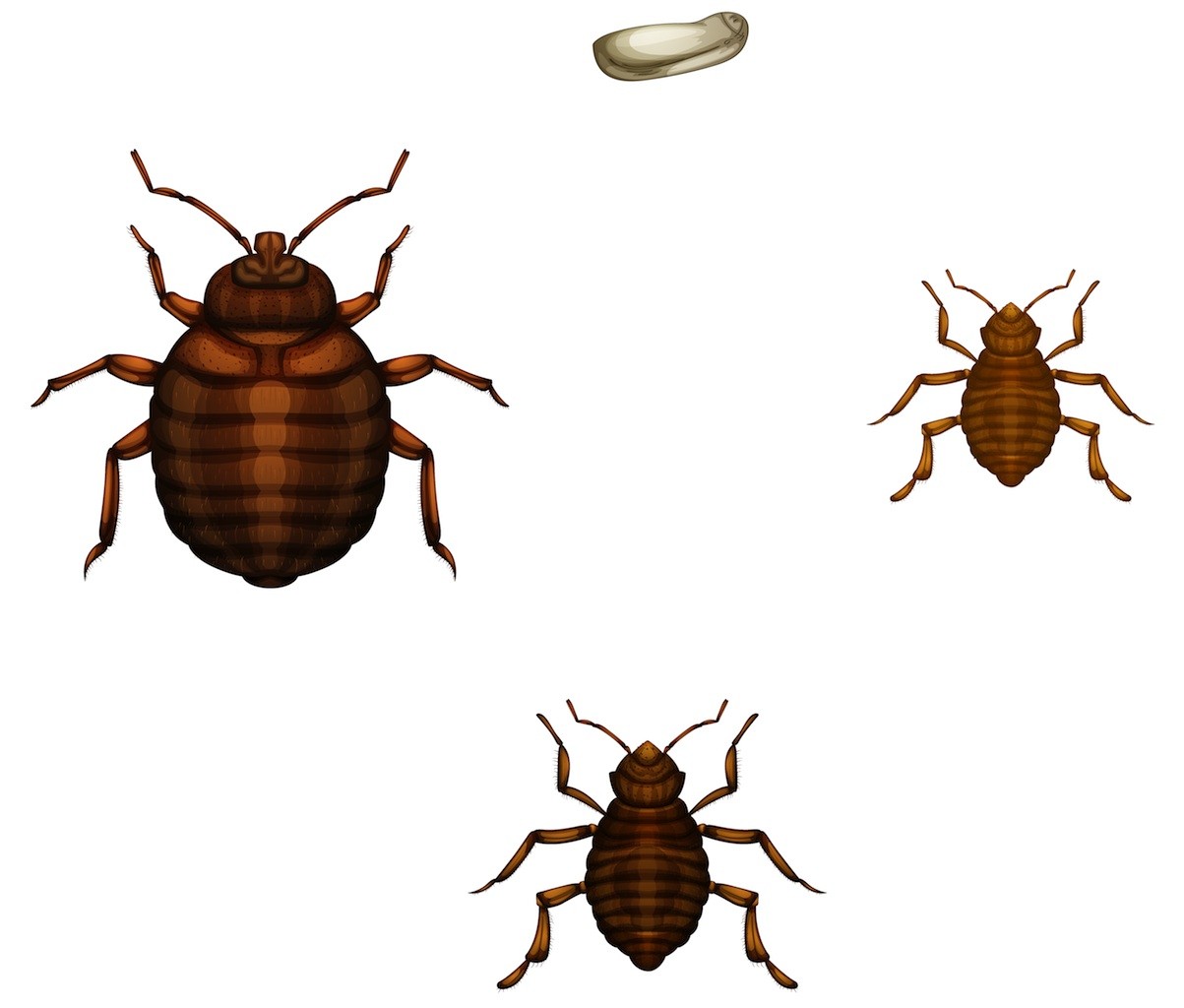 Eggs are carefully placed in cracks, crevices and other well protected sites surrounding the main location of food. This is critical when dealing with local populations and will be explained why later in this article.
The female lays her eggs with a gluelike secretion which enables her to fasten them securely in concealed areas where they will remain protected and steadfast until they hatch. Females will be able to lay eggs following blood meals and with good luck will be able to lay several hundred eggs over her life.
Most adult bed bugs will die in less than a year; they can live longer than a year without a meal if conditions are right so infestations generally take time to develop and to control.
Eggs will hatch 1-2 weeks after being laid. They hatch looking a lot like miniature versions of adults. They will want to feed immediately and every meal will enable them to shed their skin, completing an “instar” and reach reproducing adulthood after 5 such instars. Under good conditions this development, from egg to adult, will be complete in less than three months. This means 3-4 generations can develop every year so population levels can get quite high in a year.
DO BED BUGS HAVE AN ODOR?
Large infestations of bed bugs will acquire a “buggy” smell which has been described as something obnoxiously sweet. Some people have likened it to raspberries but at this time it has not been determined if the odor is from the conditions of the home, the blood excrement from the bed bugs having fed or from scent glands on the bed bugs themselves.
Having been in many homes with active bed bug infestations, the author is able to determine when he enters a structure which has bed bug activity. However, just what causes the odor is still not clear.
DOES YOUR HOTEL HAVE A BED BUG PROBLEM?
One of the common ways bed bugs find their way into our homes is by hitching a ride in luggage and clothing we take with us during vacations. A single female brought home is able to cause quite a problem in just a few months.
In fact many of these problems can be avoided by doing an inspection band setting out using BED BUG DETECTION TRAPS when you first arrive.
These traps come 6 to a card and you get 2 cards for a total of 12 traps. They rely on bed bug pheromones to lure foraging bugs to the glue. Their low profile is inviting to bed bug who seek tight spaces in which to hide. Set them out under beds, behind head boards, around night tables and in cabinets close to your bed and inspect them every morning. Bed bugs will be active in the dark and will be caught overnight.
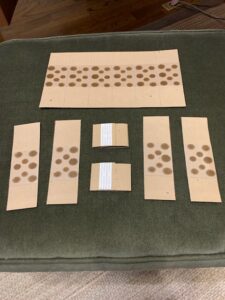


Having these in place during your visit will allow you to monitor the room discreetly in case there are any bugs active and about.
BED BUGS SUCK BLOOD FOR FOOD AND CAN LEAVE MARKS ON YOUR SKIN!
Since some part of any local bed bug populous will try to feed every day, infestations by these species can be quite abrupt and generally appear out of nowhere. Hosts, the people being bitten during the night, may or not have adverse reactions to the bite so in some cases the problem goes on for months until it’s identified.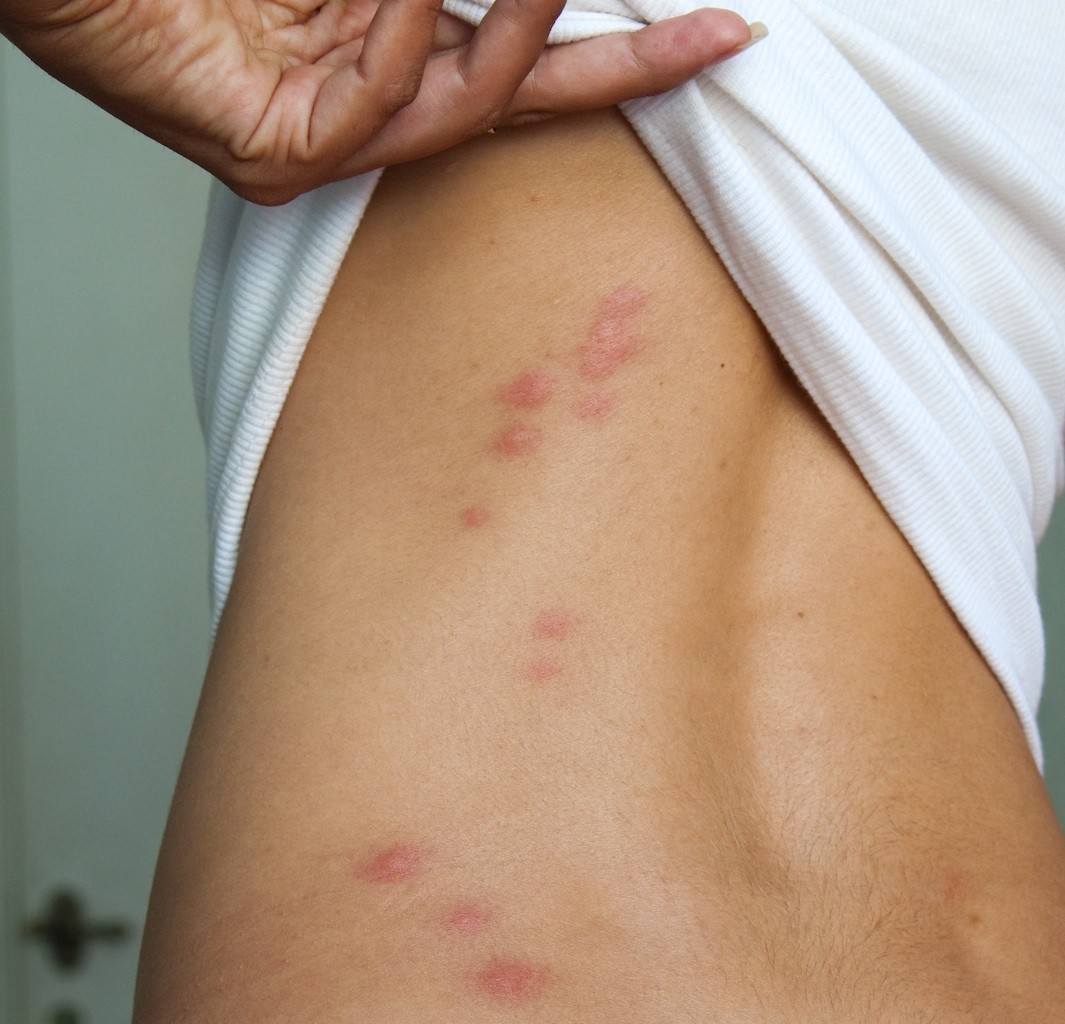
The bite itself is not really a bite; it is more of a puncture. The bed bug is armed with a needle like tube which bends in a couple of places. This tube is pushed into the hosts skin and blood is extracted. During this process some saliva from the bed bug will pass into the host. The bed bug will grab the hosts skin using it front legs for leverage. All of these factors could lead to some sensation on the hosts skin.
Clearly the most common way people find out they have a problem is because the bite is leaving a mark or some other skin discomfort leading to further investigation. However, it is estimated that as many as 50% of people who are bit have no reaction so it would reason to say that many infestations of bed bugs are able to exist for many months if not years before someone learns of their presence. People who have reactions are generally reacting to the insects saliva. Such reactions include an itching sensation, a burning feeling, swelling, red marks much like a flea bite and described most commonly as a welt.
HOW TO TREAT BED BUG BITES
Insect bites can be uncomfortable and though there are many over the counter remedies to be found, we have found only a few that work well. The first is easy to use and offers immediate relief. Known as BITE AND STING SWABS, this soothing highly active material takes the itch away within minutes. And within a few hours, it will both relieve burning and reduce swelling.
Now if you are experiencing a sensation that something is crawling on you, apply GENES SOOTHING CREAM to the affected areas. This cream is made with all natural ingredients and works wonders at relieving discomfort whether you have bed bugs or not. It will take away crawly, itchy sensations due to allergy, dry air, mites and insect bites so it covers most any scenario that might be the cause.
And for anyone uncertain about whether bed bugs are present but clearly have something irritating their skin, Gene’s Cream is a great way to get fast relief regardless of what’s causing the problem.

HOW TO SPRAY YOUR BED FOR BED BUGS
Now that you have concluded without a doubt that you have bed bugs, you will have to treat the problem depending on treatment sites. The first area most everyone wants to spray is the bed itself.
Thing is bed bugs usually don’t nest on beds unless they’re made of wood and have a lot of cracks and crevices for concealment. These cracks and crevices are most common where head and foot boards attach to side railings.
There could also be seams where supports for the box spring are mounted to the side railings. Head boards could have inlaid wood or moldings which are loose. Bed bugs will readily crawl into such seams. The point is just don’t inspect the mattresses; be sure to inspect the bed frame too!
So to properly inspect the frame, you’ll need to remove all blankets, comforters, sheets and linens. Next, take the top mattress off inspecting it for any rips where they might be hiding. Bed bugs like to hide under the buttons which many mattresses have.
Don’t expect to find much on the top mattress; if the bed bugs have nested on either mattress it is usually the box spring which they prefer to call “home”. Turn the box spring over and look carefully for any rips in the fabric which would allow them to enter and hide amongst the frame of the box spring. This is a common hiding place and presents the most likely place you will find them on either of the mattresses.
While you have all of the bed taken apart, its important you give it a good vacuum before you treat and put it back together. Remember, the eggs are usually well hidden and even a strong vacuum is not likely to dislodge them from their grip. If you find any evidence of bed bugs in the mattress or the bed frame, you should resign yourself to treating it at least three times over the next month. There are two reasons for this.
First, there is no product which can kill every egg that might be hiding. This means eggs which are missed during the treatment will probably hatch in 1-2 weeks. Followup treatments insures these new young are not able to establish themselves.
Secondly, even if you do a great job both treating and vacuuming, it is very likely more eggs will be laid in the week following your initial treatment by females that are missed during the rest of the treatment in the home. There are several products that can be used on bed frames and furniture quite effectively but we’ve narrowed the list to the most effective. Though similar, there are some differences which may make the use of one better suited for your application.
BED BUG AEROSOLS FOR TREATING BED FRAMES AND MATTRESSES
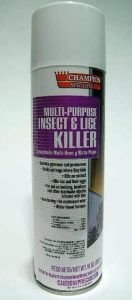
For spot treating beds, mattresses and carpeting, MULTIPURPOSE BEDBUG KILLER is an odorless aerosol well suited for most any surface.

Multipurpose is water based so it won’t stain. Use it safely on couches, chairs, mattresses and carpeting where bed bugs will be actively moving and/or nesting.
Treatments will last 1-2 weeks and one can can treat up to 1500 sq/ft per can so for small apartments, Multipurpose may be all you need to solve your problem.
THE BEST BED BUG DUST FOR LONG TERM CONTROL
For bed bug problems in small apartments, the Multipurpose aerosol above can handle most infestations. But if you have a home, hotel or other building 2000 sq/ft or larger, you’ll need to use some dust and liquid concentrates to get the best cost efficient treatment in place.
HOW TO DUST FOR BED BUGS
The first place to focus dusting should be any hiding point or crack above the ground. In other words, you’ll need to treat more than just the mattresses, bed frame and rug below.
So once the bed is treated, the next place to inspect and treat will be the floor moldings, furniture and anything “wooden” around the room. Bed bugs love to crawl under the moldings and will thrive between the carpet and subfloor. They will also get into electric outlets, under switch plate covers and behind both paneling and wall paper.
This short video (less than 60 seconds long) shows how to treat these areas using the dust below
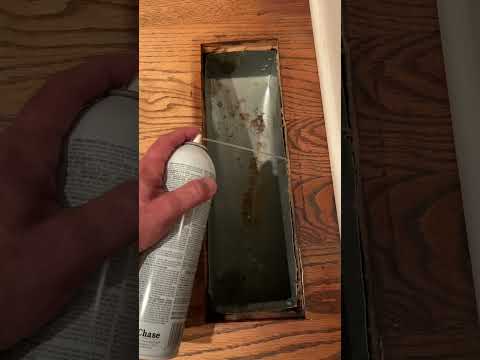
To ensure you don’t have a lingering problem, treat all of these areas with XEMPT DUST.
Xempt D features two qualities that make it more efficient compared to ordinary insecticide dusts.
First, like insecticide dusts, it will agitate bed bugs and force them to leave the dusted area or else they will die. And once they start moving, they will die by dehydration if they’re dusted.
Directly treating them would lead to their demise within a day BUT even as the active ingredient wears off in 1-2 months, the remaining base ingredient will keep working by dehydration. So where ordinary insecticidal dusts break down after 1-2 months and have no way of impacting pests, Xempt’s base lasts and keeps active by retaining its dehydrating feature. And when applied to wall voids, under baseboards and other places bed bugs like to hide, treatments will last 1-2 years.
The second important feature is that Xempt D CAN GET WET BUT WILL STILL WORK! This is generally not critical for bed bug applications BUT if you have a crawl space or other damp area to treat, Xempt is the product you want applied. The only way it won’t keep working is if you have water moving which causes it to wash away. But when left in place? Xempt dust will keep pests away.
10 oz of Xempt can treat 500-1000 sq/ft. For baseboards, liquid switch covers and electric outlets, one jug is usually enough.

To best apply Xempt, use a good HAND DUSTER. This device will enable you to “blow” the dust into tight cracks and other spaces bed bugs like to hide.

Be sure to take all dressers and night tables apart before dusting. This following video shows how to thoroughly treat a dresser.
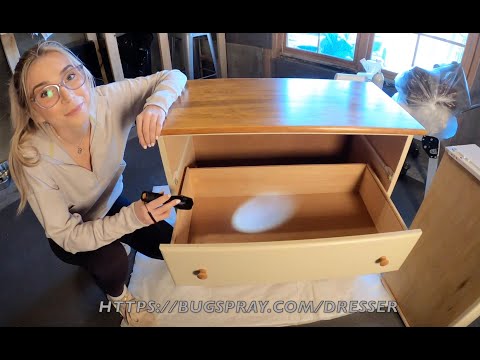
And don’t forget to treat behind hanging pictures, mirrors, lamps and basically anything on the wall or ceiling. For dressers and night tables, remove each drawer, empty the drawers contents and then inspect all sides paying particular attention to seams and cracks. Lightly dust these parts before putting them back.
HOW TO TREAT BED BUGS IN APPLIANCES
Since bed bugs love tight spaces, they have been known to nest inside appliances like coffee machines, microwave ovens, dvd players, TV’s, light fixtures sewing machines and alarm clocks. Basically they will target anything which has small openings, hidden dark spaces void of light and small gaps large enough to fit their body.
So if you have any kind of appliance close to rooms where they’re active, they could very well be using the appliance as a nest site. Unfortunately treating these can be tricky but it can be done.
The following video shows how to thoroughly treat a microwave.
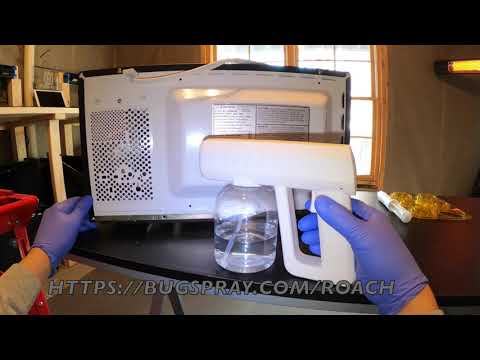
The Mini Mister featured in the video can be seen below, along with the Bithor.
BEST BED BUG LIQUID SPRAY
For a bad bed bug infestation or for treating homes, hotels and motels, aerosols won’t be cost efficient to use. They’re effective but because of their convenient packaging, they’ll prove pricey and ineffective compared to using a liquid. So if you’re treating a large home or commercial establishment, you’ll be best served by employing a good concentrate with dual acting active ingredients.
One of the best products on the market for bed bugs is BITHOR SC. This odorless product is fast acting, long lasting and safe enough to be used on bed frames.
The following “short video” (less than 60 seconds long) summarizes why Bithor is a good choice for use in the home for many pests including Bedbugs.
Add 1.5 oz of Bithor to a gallon of water and apply the mixture over 1000 sq/ft. Plan on treating 2 weeks later and then once a month for regular maintenance.
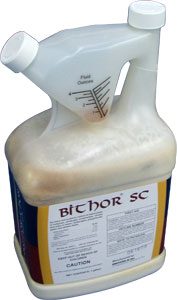
Bithor combines two actives which work together in harmony on Bedbugs. The first active is super quick to kill active bedbugs but only lasts a few days. After that, the second active kicks in. Its slower acting, its non-repelling so pests like bedbugs won’t notice it and this feature insures targeted pests will pick up a lethal dose and die within a few days.
Plan on using 1-2 gallons of mixed material per treatment. Retreat 2 weeks after the initial application and then a third time 4 weeks later.
MINI MISTER
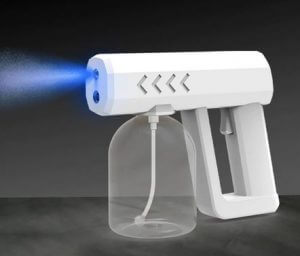
To get the best uniform application, consider our MINI MISTER AEROSOL MACHINE. This unique tool uses a rechargeable battery to turn liquids into a fine mist. The Mini Mister tank is large enough to accept 1/2 oz of Bithor and then water to treat up to 250 sq/ft. Since it delivers the product as a fine mist, it won’t over apply your mixture.
The following short video summarizes why the Mini Mister is such a great tool for treatments inside the home.

As you can see in the video, the Mini Mister will let you spray carpeting, couches, walls and more without making a mess. Ideally suited for making light applications on sensitive surfaces, the Mini Mister is the best way to do a bed bug treatment in any home or apartment.
HOW TO TREAT CROWN MOLDING AND ABOVE DROP CEILINGS
For sensitive areas like walls and ceilings, spot treat with the MULTIPURPOSE INSECT KILLER featured above. Lightly misting these areas won’t cause a mess or stain. These areas cannot be ignored with this pest since bedbugs will readily move up high in any room to sleep during the day.
BED BUG MAINTENANCE AND FOLLOWUP TREATMENTS
Now that you’ve properly treated the rooms where you’ve identified the main activity, the next thing to do is to observe and inspect the results of your treatment.
There should be a marked decrease during the night by foraging bed bugs. And within a week or two there should be no or very little activity.
Now don’t be surprised if you have to treat a few times if you employ just aerosols; these products have a short residual and need to be applied several times to get the best results. So plan on treating once a week if only using Multipurpose Insect Killer. If using our Bithor, plan on treating 2 weeks after the first treatment and then again in 4 weeks after the second treatment. It usually takes 2-3 treatments to completely eradicate an active population.
CONTACT US
Give us a call if you need further help. Our toll free is 1-800-877-7290 and we’re open Monday through Thursday, 9:00 AM to 4:00 PM (Eastern Standard Time).
Email questions to order@bugspray.com
Order online and get a 5% discount! We ship fast with 99.9% of all orders shipping within 1 business day!!
Learn more about BUGSPRAY.COM and why it’s never been easier or safer to do your own pest control.
Please show your support for our business by purchasing the items we recommend from the links provided. Remember, this is the only way we can stay around to answer your questions and keep this valuable web site up and running. Thanks for your business!
Leave a Reply