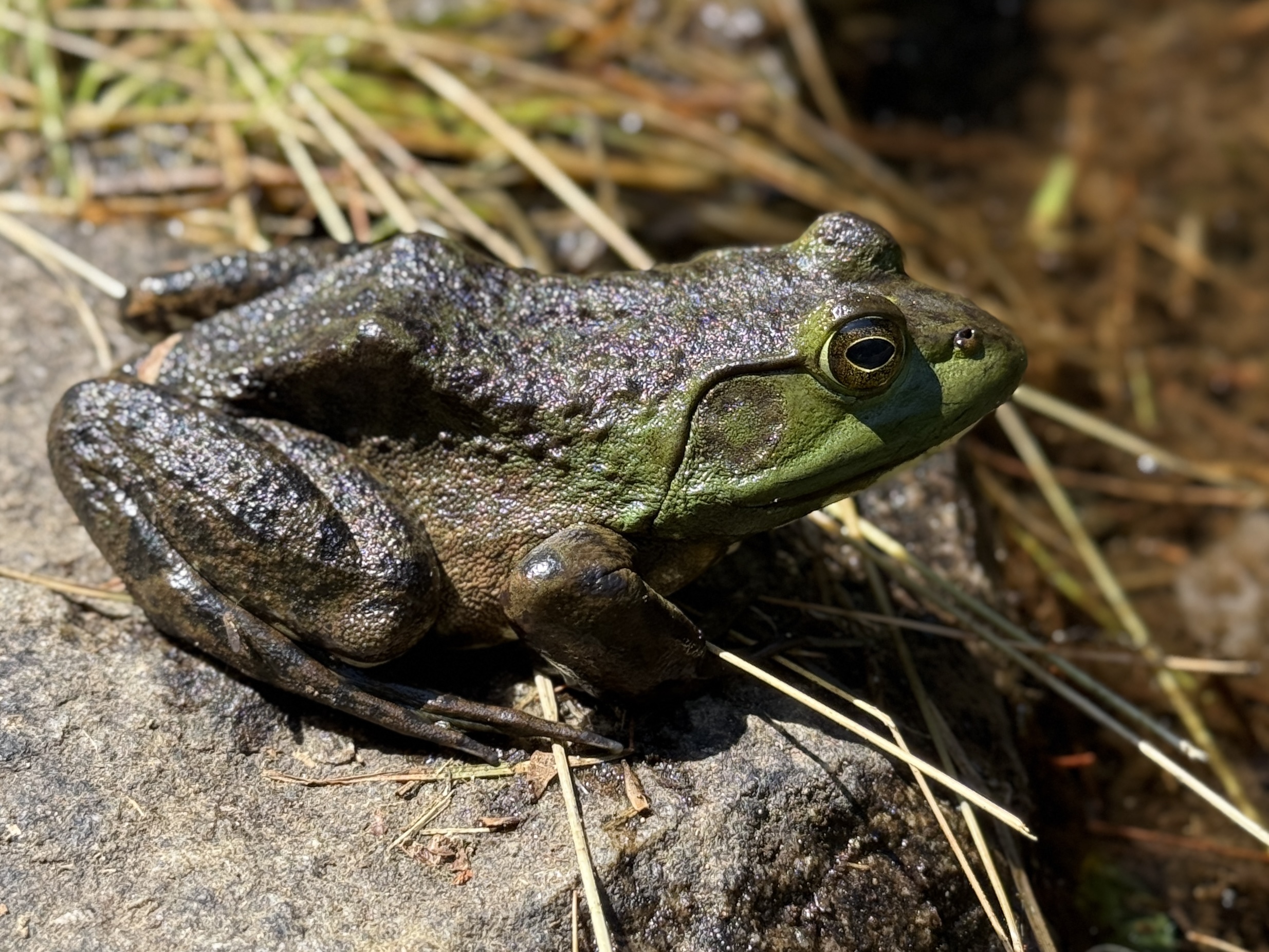
Frogs are common throughout the world. There are over 85 species here in the United States. The most common species include tree frogs, toads and bullfrogs. Tree frogs and bullfrogs are most common where there is adequate water for their survival and reproduction. Toads are more prevalent where it is dry. Though tree frogs are considered beneficial because they eat insects, in some cases local populations can become a nuisance.
Related articles: CURLY TAILS LIZARDS SALAMANDERS SNAKES TOADS TREEFROGS
Bullfrogs can become a problem for many reasons. Mostly water dwelling, these frogs will migrate by the thousands when seeking water. They commonly exist in ponds and lakes but adults will forage to new environments when the local water supply isn’t adequate or if they can’t find food. Bullfrogs will readily move into any body of water they find. This includes pools, koi ponds, lakes, streams, swamps, drainage ditches and even bird baths. Bullfrogs will eat most any insect but also love to feast on fish eggs and small fish larvae. When bullfrogs move into ponds used for fish reproduction like those found on fish farms, the damage they do can be costly. For this reason there are several control measures which might have to be done.
BULLFROG PROOF BARRIER
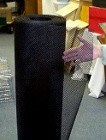
The first way to control bullfrogs is to install a barrier through which they cannot enter. A very cost effective barrier to use is our high strength VINYL SCREENING. There are many locations where it can be installed to stop invading bullfrogs. If you already have a property fence in place but it’s not keeping them out, the mesh of the wire might be too wide. Add screening to the bottom 24 inches. Be sure to plant at least 6 inches in the ground so no gaps exist.
This same screen can be set up to work like a fence. Make sure it’s at least 24 inches tall and 6 inches in the ground. Installing it around any pond or body of water can keep them out. It comes 4 feet wide so you can make a fence tall enough to stop them.


BEST BULLFROG REPELLENT SPRAY
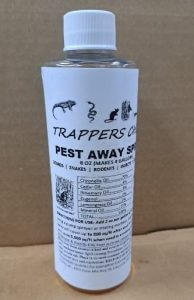
To keep bullfrogs from entering your property, treat all points of entry with our PEST AWAY SPRAY.
Pest Away is made with all natural organic essential oils and gets mixed with water. It won’t harm wildlife, insects, birds, pets, etc. but due to it being so concentrated, it makes frogs “wary” of treated areas.
They can smell the over abundant amount of these natural oils and this makes them feel uneasy and alarmed about the area/treated plants. In turn, they won’t want to stick around where its been applied. This makes Pest Away a great way to naturally repel unwanted pesky frogs and reptiles like lizards and snakes.
Our 8 oz jar mixes 2 oz per gallon of water and will treat up to 800 sq/ft of plants/ground/sides of a building when treating for frogs.
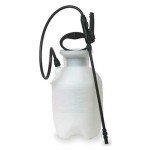
Any good PUMP SPRAYER can be used to apply the Pest Away; ours is super light yet durable and easy to service.
CONTACT US
Give us a call if you need further help. Our toll free is 1-800-877-7290 and we’re open Monday through Thursday, 9:00 AM to 4:00 PM (Eastern Standard Time).
Email questions here: https://bugspray.com/about-us/contact-us
Order online and get a 5% discount! We ship fast with 99.9% of all orders shipping within 1 business day!!
Learn more about BUGSPRAY.COM and why it’s never been easier or safer to do your own pest control.
Please show your support for our business by purchasing the items we recommend from the links provided. Remember, this is the only way we can stay around to answer your questions and keep this valuable web site up and running. Thanks for your business!
Tech Support says
Most certainly. Its actually made with essential plant oils so its like applying “plants to plants”.
Pest Xempt Granules: https://bugspray.com/exempt/granule/pest-xempt-granules-2-lb
Pest Away Spray: https://bugspray.com/exempt/liquid/pest-away
Larry Bull says
Will the granules get rid of the bull frogs in my small fish pond if I put it around the edge of the pond? Will it hurt my fish?
Tech Support says
Using Pest Away won’t chase away the frogs living in the water. You’ll want to first physically remove them from the water and only after they’re gone and relocated should you treat.
Now once they’re gone from the pond, the treatments will keep new ones from entering the area.
You should also try to identify where they might be coming from (entry points onto your property) and then put the Pest Xempt Granules in a line all along these entry ways.
These same areas should also be treated with the granules and spray. This combination will help keep new ones from entering the area and in the end, help keep the pond bullfrog free.
Lastly, treatments done properly won’t pose any hazard to the aquatic life in the pond.
Here are links to these items in our cart. Please show your support for our business by purchasing the items we recommend from the links provided. Remember, this is the only way we can stay around and be here to answer your questions and keep this valuable web site up and running. Thanks for your business!
Pest Xempt Granules: https://bugspray.com/exempt/granule/pest-xempt-granules-2-lb
Pest Away: https://bugspray.com/exempt/liquid/pest-away
Dave says
Is this smell something that frogs don’t like? Also, is it a smell that people don’t like? Thanks.
Tech Support says
Pest Away has an odor which frogs, snakes and other small animals as well as some insects do not like. They’ll avoid the surfaces and areas where the product is sprayed long after the initial spray is applied. This is because these animals have a strong sense of smell and can detect even tiny amounts of the treatment.
As for people; we can smell it when sniffing it from the jar and for a short while when first applied. But within 30 minutes the odor will dissipate and when applied in open outside areas, be gone even faster. So if you’re using it on the home, patio or yard, treat in the morning and by noon you won’t know it’s there.
Pest Away: https://bugspray.com/exempt/liquid/pest-away