BOOKLICE BIOLOGY
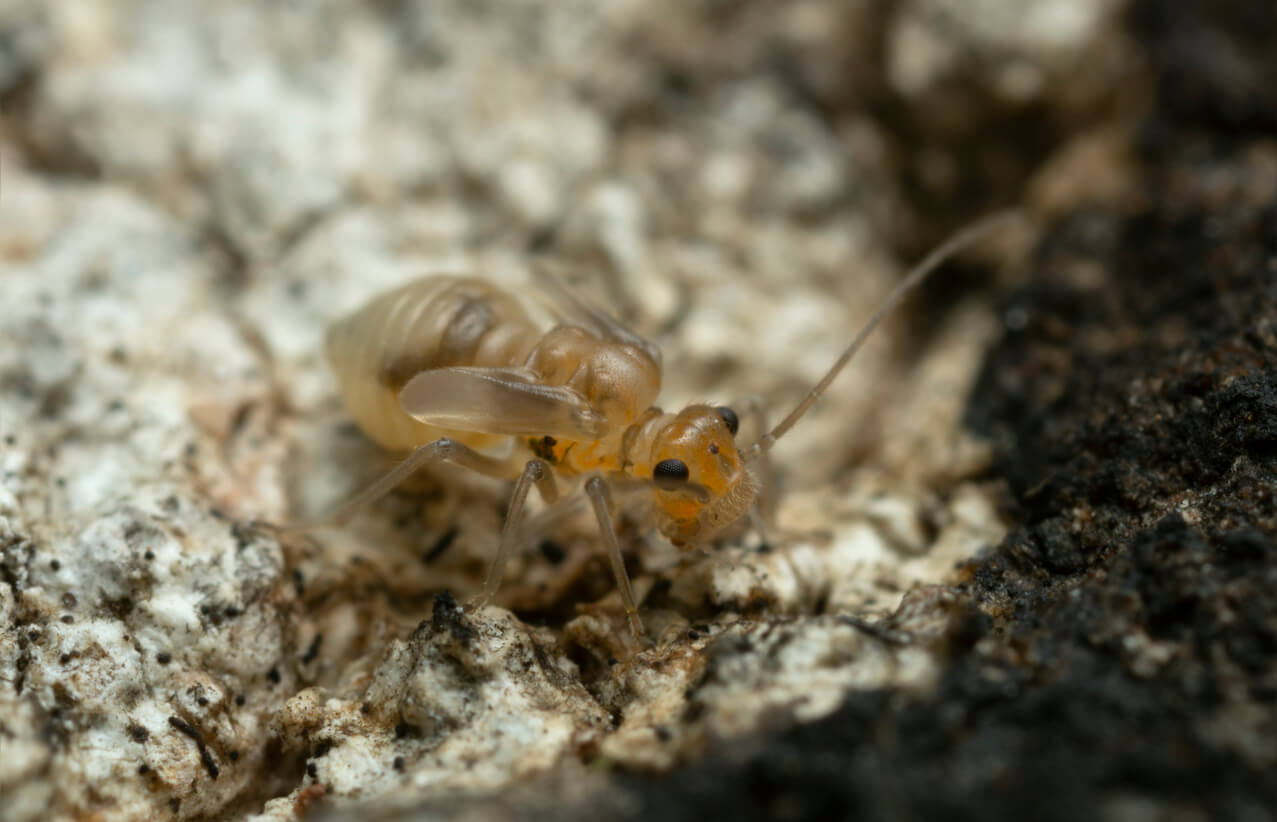
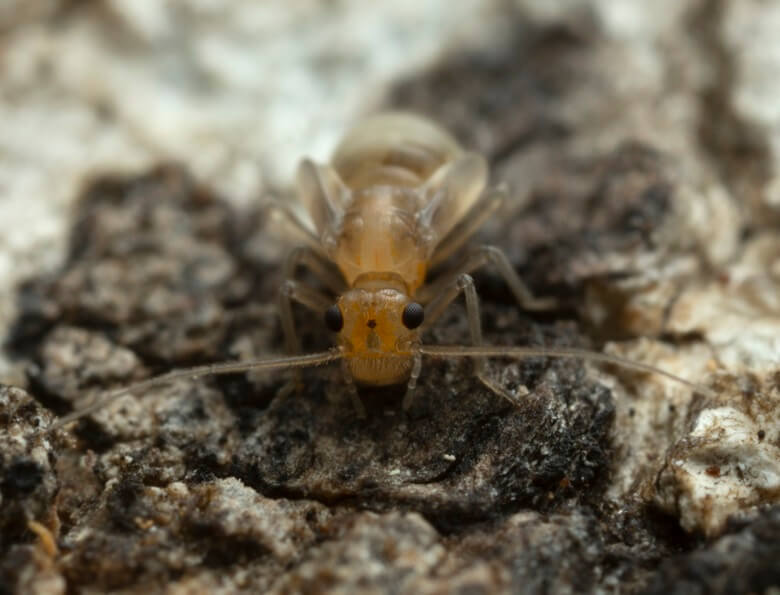
Booklice are small insects which love moisture. In general, they need to live where humidity is high or moisture is present. Common places for booklice populations to thrive include window sills, under outside siding of homes, tree trunks, shrubs, flowers, around garden hoses, under bricks and rocks, around light fixtures and under boxes. However, some species will readily live in books, book cases, attics and crawl spaces. As stated above, there are many families and species of this insect and the science community has not quite come to a concise conclusion about how to group and name all that are included. Some appear to have specific moisture requirements and others do not. At the same time some seem to be food specific and others do not. To make matters more confusing, it appears that booklices are able to change their dietary needs as food availability changes. One thing is for sure: If you have booklices active in or around your home – expect them to prosper and keep coming back unless the conditions which they seek are changed.
BOOKLICE LIFE CYCLE
Booklice hatch from eggs in about 2-4 weeks after the eggs are laid. Young will go through about 2-4 nymphal stages to reach adulthood which takes another 2-3 months. Once mature, females can generate 50-100 eggs during her life and as an adult she would expect to live 1-4 months. Most populations will produce 2-3 generations per year but there could be a lot more if conditions are just right. Booklice are able to adapt to their environment which will dictate just how fast they reproduce. In general, the more moisture and the more moderate the temperatures (50 -80 degrees) the more they will prosper. Cold weather (below 35 degrees) will kill off adults but eggs will live ready to hatch as soon as local temperatures get back to where they are comfortable.
WHAT BOOKLICE EAT
Booklice will eat just about anything. Though most people think they eat books or paper, in fact booklices can thrive on a wide range of food. Such food includes cellulose (paper or books), book bindings, fabric (from which many book bindings are constructed), glue (the glue that binds most books has many natural components), any type of grain, mold, mildew, algae, fungus and other plant life. The fact that booklices will readily live in books is the same reason they will readily live on trees: the presence of both cellulose (paper is made from wood) and fungus or algae. Algae or fungus will readily grow in damp dark places inside homes but it also thrives outside. It is here where local booklice populations will begin to accrue.
BOOKLICE IN THE HOME
Once established alongside homes, they will commonly find adequate food supplies up underneath any type of siding on homes. From there they commonly find window sills to be great food areas as well as outside light fixtures, outlets, door frames, etc. The author has seen them thrive on just about any perimeter location of any structure which gets wet during rain or irrigation. Such areas have a tendency to harbor moisture and this harboring is what enables fungus and algae to grow. Once this growth starts booklices will soon follow.
BOOKLICE TREATMENT
The good news about booklices is that they are slow eaters. This means that damage from local populations is usually minor unless populations go unchecked for long periods of time. However, booklices are both annoying and persistent so most people don’t want them around. Fortunately, they are easy to kill and with the right products being used it is easy to manage or eliminate any activity in or around the home.
So before you treat, there may be some maintenance needed in areas where activity is noted.
WHAT TO DO BEFORE TREATING BOOKLICE
1) Mold, algae and fungus removal will help slow up booklices. Remember, this is a key food item for booklices so by cleaning away and removing that which they eat will cut down on their reproduction.
2) Reduce moisture in such areas. Though it is hard to stop rain from accumulating on window sills and other areas of the home, any attempt to channel water away and off structures will help to cut down on just how much fungus, mold and mildew can grow. By cutting down on this growth you will be able to cut down on booklice activity. If you are not sure of current moisture levels, get one of our HUMIDITY MONITORS. This portable device is an excellent tool for monitoring moisture in rooms and any area where pests like psosids are present.
Humidity Monitor: http://www.bugspraycart.com/equipment/temp-vents/therm-humidity-monitor
3) Once mold, mildew and fungus has been cleaned away and moisture levels have been reduced, consider sealing any apparent cracks or seams through which booklices may be entering or living. IT IS VITAL THAT MOLD, MILDEW, FUNGUS AND BOOKLICES ARE ALL TREATED BEFORE YOU SEAL. If you start to seal cracks without first addressing why they are wet, you may only be making a bad situation a lot worse. This will happen when moisture is sealed into siding and wall voids – a condition which many homeowners create when they randomly caulk. The rule is simple: Seal cracks and crevices only when you have first cleaned them out, treated them with one of the insecticides we will have listed below and are sure the moisture source has been addressed and that once sealed, it won’t get wet again.
GET RID OF BOOKLICE BY REMOVING THEIR FOOD
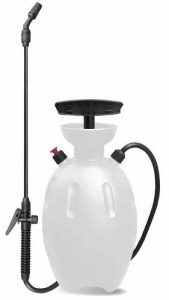
Treating the mold, mildew and fungus is the first part of controlling booklices. Once local populations have been identified, use a product like ROUGH’N READY. This product is easy to use and will kill off all mold, mildew and fungus on which the booklices live. Use a rag to wipe down window sills and other small areas but if you have a large area to treat, use one of our PUMP SPRAYERS to get fast and rapid coverage. Be sure to wipe the product all around insuring complete coverage any where booklices have been seen. This product should be used on siding, window frames and sills, around door frames and anywhere moisture is a problem. Booklice which are thriving in books or other dry areas won’t require such treatments; as stated above there are several species of booklices and several are able to live where mold and mildew are not present.
Rough’n Ready: http://www.bugspraycart.com/sanitizer/liquid/rough-and-ready
Eliminator Pump Sprayer: http://www.bugspraycart.com/equipment/sprayers/eliminator-gallon-sprayer
BOOKLICE CONTROL AEROSOL
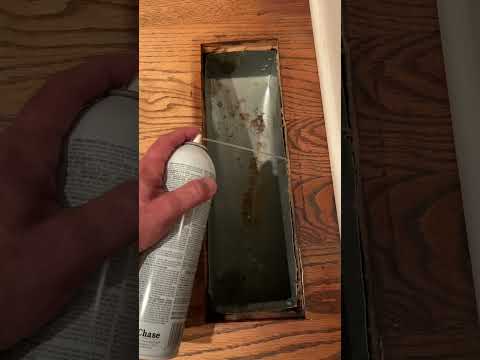
Once you have adequately reduced the mold, mildew and fungus on which booklices live, you have three types of treatment options. The one you choose should be made based on the type of surface being treated. If you have small areas to treat like a window sill or two, PT-565XLO will offer quick knockdown and ease of use. Because it is an aerosol, it won’t make a mess or require any time to dry. When used right it will go on dry and yet work immediately. PT-565XLO can be used on all books, record albums and any type of document or fabric as well.
PT-565: http://www.bugspraycart.com/insecticide/aerosol/pt-565-xlo
Again, proper applications will not damage the treated surface nor will it cause discolorations or any “wet or oily” film to be left behind. It doesn’t take much of this product to get good coverage and the more sensitive the treated surface, the less you should use. Remember, this product is for small areas and may require treatments every few days. This is because the active ingredient, Pyrethrin, offers no residual. In other words, it will only kill when it is being applied. Within an hour or so all the active ingredient will have broken down and be gone. For this reason you will probably have to make several applications if you want to get rid of all booklices since the treatment will only kill exposed or hatched insects. It won’t do anything for eggs so it is best to schedule at least weekly treatments for 1-2 months to insure you have broken the cycle altogether.
For areas where you can use a long lasting residual, go with the slightly stronger formulation called CYKICK AEROSOL. This product has all the same qualities as the 565 with the one big difference in length of residual. This aerosol uses Cyfluthrin which will last 2 or more weeks per application. The advantage to this is simple: Less frequency of applications and less product needed. It too can be applied over surfaces like fabric and books without causing treated surfaces to discolor or get wet. Be sure to lightly apply it since a little is all that is needed when treating. The only draw back to this product over the PT-565 is that it will not flush the booklices. Since they will have to walk over treated surfaces to pick up a lethal dose it is imperative that you treat as many of the cracks and crevices in which the booklices may be hiding. Only then can you be sure to have proper coverage otherwise you risk reinfestation. One way to avoid this is to first apply the Cykick thoroughly and then followup with the PT-565XLO. The 565XLO will flush the booklices out of where ever they are hiding since they don’t like this product which in turn will cause them to walk over the surfaces treated with the Cykick which will then insure they die. This 1-2 punch is sometimes needed when you have a large area to treat which involves a lot of cracks and crevices.
PT-Cykick: http://www.bugspraycart.com/insecticide/aerosol/pt-cykick-17-5-oz
PT-565: http://www.bugspraycart.com/insecticide/aerosol/pt-565-xlo
BOOKLICE LIQUID SPRAY
If you have large areas to treat like the side of walls, the house exterior, trees, shrubs, etc, the use of an aerosol product is not practical or efficient. For these areas it makes a lot more sense to use some type of liquid residual like PT-CYKICK CS. This odorless concentrate mixes with water and is applied with a PUMP SPRAYER over surfaces on which you have seen activity. It will provide both a quick knockdown and a long residual keeping hatching booklice eggs from thriving. PT-Cykick can be applied over the siding of homes, around windows, on trees and plants and just about anywhere booklice activity has been found. The advantage of this product over the aerosols is that you can do large applications quickly and your work will reward you with long residual. Remember, PT-565XLO will not provide any residual. Applications kill only when applied and immediately dissipate. The Baygon will last at least 1-2 weeks per application and if this isn’t long enough, use PT-Cykick since applications made with this product will last over a month. Remember, it uses water as the carrier so this product is not recommended to apply over books or other sensitive objects. Use the aerosol for such applications.
Cykick CS: http://www.bugspraycart.com/insecticide/liquid/pt-cykick-cs-16-oz
Solo 454: http://www.bugspraycart.com/equipment/sprayers/solo-1-gallon-sprayer
PT-565: http://www.bugspraycart.com/insecticide/aerosol/pt-565-xlo
TREAT FOR BOOKLICE ALL YEAR LONG
Once you decide on which product to use remember to stay with it and make applications throughout the season as needed. Generally speaking, infestations which are located outside will be active in the warm months and go dormant if you have a winter. For the southern most states, it is not uncommon to have activity year round. Most of these outside applications should be done with PT-Cykick CS. If you have found booklices in the home or building and have decided to use one of the Aerosols, expect to do several treatments since these applications will not last as long. Aerosols by nature will break down much faster than the liquid treatment and in fact the PT 565 XLO provides no residual. If using PT 565 XLO you will need to do treatments at least once a week if not more until all eggs have hatched and the cycle has been broke. The Cykick Aerosol will last longer and should provide 1-2 weeks between applications which will reduce the amount of work you need to do.
Booklice can be a persistent and annoying pest in and around the home. Though they don’t bite, their chewing mouth parts can cause a lot of damage to fabric, books, wallpaper and other inanimate objects around the home which are valuable. Reduce moisture levels to deter nesting and seal cracks and crevices where booklices may be entering for long term protection. Treat with any of the products listed above for immediate control and elimination.
CONTACT US
Give us a call if you need further help. Our toll free is 1-800-877-7290 and we’re open Monday through Thursday, 8:00 AM to 7:00 PM. On Friday, 8:30 AM to 5:00 PM and on Saturday, 9:00 AM to 2:00 PM (Eastern Standard Time).
Email questions here: http://www.bugspray.com/about-us/contact-us.html
Order online and get a 5% discount! We ship fast with 99.9% of all orders shipping within 1 business day!!
Comments on BOOKLICE CONTROL
Valari Fanson @ 9:39 am
I have a very large, old country home and I was going to use the PT-CYICK and spray the basement and upstairs, on the walls and counter tops. I was then going to follow up with the PT-565XLO aerosol. My question is, is it safe to spray on surfaces that I prepare food on? The booklice are on my counter and table and walls. Would it be alright to use this spray were we eat our food??
Thanks
Valari
Tech Support @ 11:49 am
@Valari Fanson: In general, we never recommend direct treatment to food prep countertops, shelving and other such areas in kitchens. And in most situations, there is no reason to treat open areas because most insects won’t be living out in the open. Yes, we know several pests will walk over these areas including book lice. But the important places to treat are the cracks, crevices and spaces where they tend to nest.
That being said, when treating such areas you should either cover the countertops before and during the treatment or wash them afterwards. Most people will treat cracks and crevices around the countertops and then wash afterward using any kitchen cleaner and a rag. PT-565 uses pyrethrin which breaks down easily even if you didn’t wash so use it anywhere close to the food prep areas. And after you wash the counter following the treatment, the area will be safe for normal use.
In summary, I recommend using the Cykick for the basement, walls and other areas outside and around the kitchen. For the kitchen, stick with the 565 and you’ll be fine.
PT-565: http://www.bugspraycart.com/insecticide/aerosol/pt-565-xlo
PT-Cykick: http://www.bugspraycart.com/insecticide/aerosol/pt-cykick-17-5-oz
sufferer @ 5:45 am
Hi, I wish to know if any of the above insecticides will result in moisture seeping into the wood and promote mould growth? In addition, after spraying them into the crevices, can I caulk up these crevices using clear silicone? Thanks!
Tech Support @ 8:10 am
We recommend a “light” treatment if you’re using a water mixed solution. This way there should be no chance of mold or other issues arising from the treatment as this would be counterproductive since booklice live on mold, etc. And really, a light mist is all that is needed treatment wise anyway so there is no need to overspray.
As for cracks and crevices, if you have a lot of these and are mostly wanting to focus your treatment on them, the best product for the job would be the Phantom aerosol. That’s because this product goes on “dry” and leaves no moisture. Plus it has a long lasting residual, is odorless and ideally designed to be “caulked in”. In other words, caulking up the cracks after treating would be very smart where you can do so and for all such locations, the Phantom would be a good product choice.
Phantom: http://www.bugspraycart.com/insecticide/aerosol/pt-phantom-17-5oz
NICKY @ 6:43 pm
Can I use the spray on the kitchen walls? That’s where they are the most.
Tech Support @ 9:26 pm
The PT-565 can be sprayed over this area in a light, misting method. But really you need to get them where they’re nesting and thriving. This will be in cracks and crevices around the room. And for this treatment, the Cykick would be best.
PT-565: http://www.bugspraycart.com/insecticide/aerosol/pt-565-xlo
PT-Cykick: http://www.bugspraycart.com/insecticide/aerosol/pt-cykick-17-5-oz
maz @ 9:57 am
Hi and Thanks for all the info. My question is am I looking for a nest or colony? I find them all over my bedroom so do I have a mold problem on the outer walls and do I just presume they’re living and reproducing by the mold? How do I hunt the source? Please help as my newborn is in my room with me.
Tech Support @ 10:43 am
With booklice and psocids, there is no “main” nest. Typically they’ll live close to moisture hiding in cracks and crevices alongside the worse areas of the problem. And like many other pests, once they get populated enough, they’ll migrate out into the surrounding area and no doubt this is what you’re experiencing now.
To get control of the problem, you should treat with some PT-565 around the most likely entry points which is usually the exterior walls. The focal point should be the windows. This is especially true if you’re not opening some of the windows. Closed windows will typically harbor a lot of moisture and psocids love these locations.
PT-565: http://www.bugspraycart.com/insecticide/aerosol/pt-565-xlo
Julie @ 11:00 am
Hi. I also am having a psocid problem. They haven’t migrated into our home yet, but they are attempting it as I have found them crawling around our doorways attempting to come in. My main problem is they are all over the outside of our house on the vinyl siding. The numbers aren’t too bad, but it is a lot more than I’ve noticed in years past. I am looking at getting some of the PT-Cykick CS and spraying down our house. I am wondering though; we live in a notoriously damp part of town. Is our yard the main source of our problem? When it rains, our yard stays moist for quite a while and it has rained a lot this year. We put down yard granules so could this have driven them over to the house? I’m hoping we don’t have mold growing under our siding. I have not ever seen them this bad in the 4 years we’ve lived in the house. Maybe the mild winter we had is causing this.
Tech Support @ 12:09 pm
Psocids are very easy to control and they don’t do well trying to migrate. So if the lawn was the source of the problem, the granule treatments would easily take care of them. That being said, I don’t think the yard is the source of your psocids.
What I’m fairly sure is happening is that you have issues under the vinyl siding. I’m 100% sure that this area is providing a lot of moisture, mold and algae. All of these will commonly thrive under most any vinyl sided home and in most cases I’ve seen it get worse and worse from year to year. And since properly treating with Mold Blaster and Mold Block would require removing the siding, it’s not a practical solution for your home.
Mold Blaster: http://www.bugspraycart.com/sanitizer/liquid/mold-blaster-gal
Mold Blocker: http://www.bugspraycart.com/sanitizer/liquid/moldblock-rtu
But there are two things you can do which will really help. The first would be to spray the Cykick CS on the siding. This would no doubt kill the foraging psocids as they came out of hiding and tried to walk on the siding.
Cykick CS: http://www.bugspraycart.com/insecticide/liquid/pt-cykick-cs-16-oz
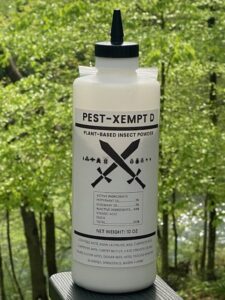
But you’ll need to spray every month to keep on top of the problem and you’ll need to spray all four side of the home as well meaning you’ll be using a lot of material every year. Also, this won’t be getting them where they nest which is really what you should try to do. So what would be a more thorough solution would be to dust under the siding using some Diatomaceous Earth. I’ve used this method and though time consuming, I found it works very well eliminating everything that wants to live under the siding including wasps, bees, ants, roaches, psocids and anything else that might crawl under it.
Diatomaceous Earth: http://www.bugspraycart.com/insecticide/dust/diatomaceous-earth
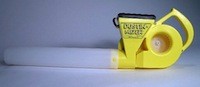
To use this method effectively, you’ll have to dust a little under every bit of the siding. I found that by blasting 2-3 squirts under a section and then moving over 3 feet and repeating the process, I was able to dust every row of siding all the way around the homes I worked on. I commonly use a Hand Duster for the treatments close to the ground that I can reach and then for the upper sections of the home, I use a Dustick. And yes, you’ll need to do every row to get the siding thoroughly treated but again, it’s well worth the effort. Good luck!
Hand Duster: http://www.bugspraycart.com/equipment/dusters/crusader
Dustick: http://www.bugspraycart.com/equipment/dusters/dustick
True this will take a little time and effort but rest assured it’s worth every bit. DE dust will stop psocids and I’m sure the area under the siding is a major problem that needs to be addressed and this is the most practical approach that can last a long time too. Basically you may only need to do it once in the spring and at worse, every spring and fall and you’ll be fine.
sally @ 7:11 pm
Hello,
Every room of my top floor flat is infested with tiny black specks called psocids. It is a brick building. The psocid love the inside of raw wood closets, drawers and wardrobes when they’re empty. All clothing and linen are in plastic bags. My area has had a lot of rain the past 3 years. Trees are very near the building and my side but my flat is dry. I can’t find mold or wet areas. Do you have a product that will eliminate them? 2 pest control companies didn’t work. Please help. Many thanks, Sally
Tech Support @ 9:12 am
As explained in our article above, psocids are quick to rebound following any treatment and unless you’ve sprayed the surfaces on which they’re active, expect them to return a few days following any treatment. This will happen over and over unless you get their nest site. So to solve the problem for good, you must remain persistent and treat as many areas as possible understanding that they can be nesting on the walls, around windows, under window sills, around doorways, around sinks and basically everywhere but the baseboard. What we find with most service companies is that they’ll only spray the baseboards and this will not work when it comes to psocids.
So if you’re ready to start doing some treatments on your own, get the PT-PI aerosol for quick killing action. It’s a pyrethrin based material which will kill on contact and repel psocids from treated surfaces. But it won’t last but a few days so expect to use it several times a week until you find and kill their nests.
PT-PI: http://www.bugspraycart.com/insecticide/aerosol/pt-pi-18-oz
PT-PI is gentle and can be sprayed over large areas which is handy when psocids are being seen all over. But to solve the problem you really need to treat all the cracks and crevices where they might be nesting and though the PT-PI can do the job, Dforce Aerosol is a stronger, longer lasting option. It comes with a handy straw to help direct it into all the areas where this pest is likely to hide.
D-Force: http://www.bugspraycart.com/insecticide/aerosol/d-force-14-oz-aerosol
Get these two products and start using them throughout your flat and I’m sure you can eliminate this pest with a little persistence and hard work.
Danielle @ 11:01 pm
I am not sure if these are what I have. I notice them more at night. They are flat and very tiny insects in my window sills and I see them on the siding of the house. I need to know if these are what I have so I can get the problem taken care of.
Tech Support @ 8:21 am
There are many small insects that people call booklice which tend to infest the same areas you list. The short list of related pests includes springtails and psocids but there are others too. The good news is they are all easy to control and regardless of which one you have, the treatments listed above and in my response to you will take care of all of them.
So for the window sills, we recommend using the Phantom aerosol inside. It’s odorless, goes on dry and won’t make a mess. The only drawback is that it won’t work instantly meaning you’ll still see activity for a day or two following the treatment. But once it kicks in and starts working, the treated area will remain pest free for 2-4 weeks. Retreat as needed.
Phantom: http://www.bugspraycart.com/insecticide/aerosol/pt-phantom-17-5oz
Now if the wall void under the window is getting damp inside the wall, dust this space with Deltamethrin Dust. Booklice, psocids and springtails will readily live inside wall voids where moisture accumulates so if you’re only treating the outer surfaces, they will continue to nest and thrive out of site which will allow of a never ending flow of new ones into your living space. To treat this area, make small holes in the wall and inject the dust using a hand duster. This application is long lasting and only needs to be done once a year.
Delta Dust: http://www.bugspraycart.com/insecticide/dust/deltamethrin-dust
Hand Duster: http://www.bugspraycart.com/equipment/dusters/crusader
Now all three of these pests come from outside areas like house siding, pine straw, thatch, grass and basically any place on the ground. And once these populations get large enough in any of these areas, they’ll migrate with some ending up inside. So to stop this kind of invasive migration from any of these pests, you’ll need to treat the areas around the home. And to start, you should apply some Bifen Granules. These are long lasting and over time will seep down into the soil taking away this prime nest location.
Bifen Granules: http://www.bugspraycart.com/insecticide/granule/bifenthrin-g-25-lb
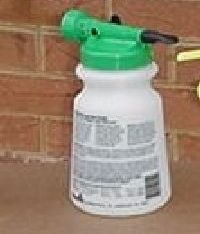
Next, spray over the top of these areas with one of the following: Cyonara RTS, Permethrin RTS or Bifen XTS. All three of these will work and the only distinction between them is that the Cyonara and Permethrin comes with an included hose end sprayer so you only need to hook it to your garden hose and start spraying. These two are good for small yards.
The Bifen XTS is highly concentrated and will need it’s own Hose End Sprayer but it can cover a much larger area making it more economical for anyone with a large lot or a bad problem that will require a lot of spraying.
Cyonara RTS: http://www.bugspraycart.com/insecticide/liquid/cyonara-32-oz-rts
Links to all three products are on the Cyonara RTS page along with the Hose End Sprayer needed for the Bifen XTS concentrate.
Be sure to spray the liquid as needed meaning if you’re finding activity outside every 2-3 weeks, spray when they come back. And treat at least once every 6 weeks to avoid future activity.
susandgs @ 4:22 am
I have booklice living in my air conditioner. What do I do. It is not one that I can remove.
Tech Support @ 8:05 am
If you read our article above, you’ll learn the first thing you need to do is take away the booklice food. In fact air conditioners are one of the more common locations booklice like to live because these units are filled with moisture and grow all kinds of algae and mold which booklice need. So if you want to keep your unit free of this pest, you’ll need to keep it clean and treat it on a regular basis.
To clean it, shut the unit off and wipe it down with the Rough and Ready. Try to get inside the unit as much as possible. Now there is no need to soak the unit; just wipe it down getting as many “internal” areas as possible.
Remove Food: http://www.bugspray.com/article/psocids.html#get-rid-of-booklice-by-removing-their-food
Next, spray the unit down with either the PT-565 or the PT-Cykick. This needs to be done weekly during the summer months and once a month in the off season. And which to use will depend on the season too. So if it’s the summer and you are using the unit, wipe it down with the Rough and Ready weekly. Next, let it sit for an hour to dry and then treat it with the PT-565. Let it sit for another hour and then you can go back to using it like before. The 565 would be the product to apply during the time of year when the unit is running a lot.
PT-565: http://www.bugspraycart.com/insecticide/aerosol/pt-565-xlo
In the off season when the unit isn’t running, clean it every month or two but treat monthly with the PT-Cykick. This is a stronger formulation compared to the 565 and will provide a long lasting residual which is why you won’t be using it as frequently. The 565 will be gone within 20-30 minutes which is okay if you’re using the unit for safety purposes. But because it has no residual, you’ll need to do it on weekly schedule to stay on top of the problem.
susandgs @ 10:04 am
Thank you for answering me. Please may I ask you another question. I live in Manhattan. I have never had any bugs so I was not “looking” for any. By the time I noticed these tiny bugs, they had invaded my desk which was in front of the air conditioner. They have invaded my printer and my fax machine. I put both in black garbage bags sealed as we speak. Do I need to throw them out? It is a professional printer and was rather expensive, but I WILL throw it out if you tell me I have to.
Also can I spray into outlets as they seem to be living in the outlet I was plugged into.
I am a wreck. By the time I even noticed them, there was a swarm all over the floor leading away from the desk area. I will tell you I am in tears as I write this.
WILL I EVER GET RID OF THEM? EVERYTHING I HAVE READ BEFORE FINDING YOU SAYS THEY HAVE THEM FOREVER. So very upset.
Are they living in my (dry) carpet now also? I can’t tell.
Thank you for answering me.
Tech Support @ 11:47 am
As our article explains, booklice are about the easiest pest to control so there is no reason to have them any length of time. The key is treating thoroughly and to keep treating. Most people treat a few times, get control of the problem and then give up thus allowing them to return. Since booklice exist all over, you actually never get rid of every one any given structure might hold. But when there is only 1-2 you’ll never see them. The problem is when you have thousands and that’s what you’re trying to prevent.
And there is no need to throw anything out. Simply wiping them down with the Rough and Ready as well as treating lightly with the 565 will keep booklice in check.
And any wall void where you find them active like the electric outlets; you should definitely dust them with some Pyganic Dust and a Hand Duster. This treatment will last a year so you don’t have to do it frequently. And you should apply some under every switch plate cover, electric outlet, light fixture, etc.
Pyganic Dust: http://www.bugspraycart.com/insecticide/dust/pyganic-dust-10-oz
Hand Duster: http://www.bugspraycart.com/equipment/dusters/crusader
susandgs @ 1:32 pm
Thank you. So if I understand you, I do not need to treat the carpet?
Tech Support @ 1:37 pm
Actually, if you are seeing activity coming from the carpet, the liquid Cykick should be applied using a standard Pump Sprayer. This would be needed every two months.
Cykick CS: http://www.bugspraycart.com/insecticide/liquid/pt-cykick-cs-16-oz
Eliminator: http://www.bugspraycart.com/equipment/sprayers/eliminator-gallon-sprayer
Janice H. @ 7:50 pm
I have a book lice problem in my bedding (mattress, blankets, and bed sheets), which is an area not commonly associated with booklice based on my internet searches. I’m wondering how to treat mattresses and bedding. I’ve tried washing all of the bedding in hot water and drying it thoroughly in the dryer but the booklice still appeared. Now I’m considering buying a plastic covering for my mattress and box springs, similar to what they use for treating bed bugs and dry cleaning all of my sheets and blankets. Would this be effective in treating book lice found in bedding? I live in a dry, desert climate but will also purchase a dehumidifier since my bathroom is en suite. Are there any other recommendations that you can make for treating bedding?
Tech Support @ 8:12 am
Booklice appearing in bedding is actually quite a common problem. Remember, the human body will release moisture and heat which is what booklice need big time. And there will be plenty of food in this area from the skin and hair shedding that naturally occurs. Furthermore, most mattresses contain fillers which include natural ingredients which “decay” over time. This decaying, organic process is ideal for many pests including booklice and one of the main reasons they can be problem in the bed.
Now once they’re seen in the bedding, it usually means they’re nesting in the mattress. To eliminate them, you’ll need to first remove the bedding and treat the mattress with the PT-Microcare listed above. This should be done weekly. The bedding will have to be washed at least that frequently. Pay particular attention to any part of the mattress that has deep folds, seams, holes, buttons, etc. which may be allowing the booklice to pass from inside to the outside. Any route of entry like this should be treated extra well. Try to direct some of the Microcare inside the mattress too as this will help get them where they’re most likely nesting and reproducing.
PT-Microcare: http://www.bugspraycart.com/insecticide/aerosol/pt-micro-care-16-oz
Amy @ 10:15 pm
Last night as I was getting ready for bed I looked under the bathroom sink to get something and noticed very tiny flesh colored bug. I took everything out of the counter and sprayed everything down. I sprayed the counter, the floor, the walls, even the doorway leading into our bedroom. Today my husband sprayed our whole house molding on top and bottom, floors, windows, doorways. I haven’t seen them anywhere else in the house. What do I need to do to to keep them OUT of my house. We have an old house and we spray every 3 months to avoid this problem. Did I find them in time to keep them from spreading throughout my house?
Tech Support @ 10:03 am
As explained in our article, booklice are extremely prolific and can spread quickly. The key to stopping them inside is to get them on the outside of your home before they enter. And that’s because once they’re living and thriving around windows, under the house siding, on decks and even on your rain gutters, it’s just a matter of time before you start seeing them inside.
So for starters, I suggest you start using the Cykick Concentrate listed above. It’s very active on book lice and should be applied to the exterior of the home every three months. It can also be used inside so change to the Cykick. It will be stronger than any common over-the-counter product you can find and easy to apply.
Cykick CS: http://www.bugspraycart.com/insecticide/liquid/pt-cykick-cs-16-oz
Next, get a can of PY-565 or PT-Phantom and keep it around for quick treatments when needed. I actually inspect my home 1-2 a month looking for ants, crickets, springtails and psocids. Since I live in a region of the country which is humid, many pests will thrive on my house if I don’t treat so I actually mist my property and home every 2-3 weeks to stay ahead of any problem.
This also handles my mosquito and gnat problems which is why I do so many treatments. But if you’re only worried about crawling pests, treating every 2-3 months with the Cykick should keep all of these invasive pests under control. Just remember to open every window you have and treat where the window meets the sill as this is a common location for booklice to thrive and must be treated regularly with 565 or Phantom to keep them away for good.
PT-565: http://www.bugspraycart.com/insecticide/aerosol/pt-565-xlo
Phantom: http://www.bugspraycart.com/insecticide/aerosol/pt-phantom-17-5oz
brenda @ 5:49 am
I have booklice everywhere in my ground floor flat which is owned by council. Its an old cornish unit building. It’s very damp. They are in my sofas, beds, wardrobes, clothes, walls, cupboard under the sink in kitchen and food cupboard. They are driving me mad. Can you help please? The council won’t. Thank you.
Tech Support @ 7:43 am
Not sure how we can help outside of informing you of what’s needed to control this pest. And for that, just review the article above because it covers all you’ll need to do.
The good news is that booklice and psocids are easy to control using the products we have listed in our article. Based on what you’ve described, I would say you’ve got a significant problem that will need extensive treatments.
For starters, wiping down any hard surface around any windows, the exterior house siding, moldings and interior walls with Rough and Ready will no doubt help because it will sterilize the area taking the required food this pest needs away in the process.
Rough’n Ready: http://www.bugspraycart.com/sanitizer/liquid/rough-and-ready
Once cleaned, the outside of the unit needs to be power sprayed with Cykick CS.
Cykick CS: http://www.bugspraycart.com/insecticide/liquid/pt-cykick-cs-16-oz
This can also be applied inside the flat, along baseboards and other routes of entry, and even on your carpeting and furniture if you’re finding pests throughout. Next, spray every exposed surface spot you see them active with PT-565. This can be applied as often as is necessary so if need be, you can treat daily. Using this approach you can eventually kill off all active adults and once their eggs run out, the infestation will be gone.
PT-565: http://www.bugspraycart.com/insecticide/aerosol/pt-565-xlo
Most people will treat sensitive areas with the 565 just before they leave for the day. This would include bathrooms, bedrooms and kitchens. Conversely, in the evening, great rooms and other areas of the home should be treated with 565 right before you retire for the night. Follow this routine daily till you don’t see any and then once a week when they’re in season to prevent them from re infesting the flat in the future.
Janice @ 1:17 pm
@Tech Support:
The insect I thought were booklice were identified by an entomologist at my pest control company as springtails. I think this is correct since I noticed that the insects in my home were quite jumpy, almost like fleas, but I had read that booklice don’t jump. I’m still confused as to how they are living inside of my home since I live in a desert climate and the relative humidity inside of my house, including near the bathrooms and kitchen, (measured with a hygrometer) is often in the 20-30% range. Is the treatment you recommend for booklice also effective in treating springtails?
Tech Support @ 8:16 pm
Actually, it’s entirely different. Read up on how to control Springtails here:
Springtails: http://www.bugspray.com/article/springtail.html
Rob @ 1:17 am
We live in Southern California and our entire home is infested with booklice. We had our local entomologist identify them as our local pest company claimed they couldn’t do anything for booklice. We are desperate for any suggestions and what spray to use. We have been fighting this infestation for over 4 months now and they are in every room all over our furniture and some window sills etc… We have no idea where they are coming from but I’m assuming from under the baseboards, behind the walls. What products would you recommend for us to use throughout the entire house? My fear is that they have also nested in our furniture, bed, books… I’m scared that we will take them with us when we decide to move. Any suggestions? Thanks so much!
Tech Support @ 8:38 am
No need to fear bringing them with you as long as you start treating as explained above. Booklice are easy to control as long as you do the work so there is no reason to keep the infestation you have. Most service companies won’t commit the time to the job which is why they “couldn’t do anything for booklice”. Basically it involves treating as many cracks and crevices with the products listed above and though type of pest control can be tedious at times as well as time consuming. For this reason most service companies won’t commit the time needed to solve the problem because it’s not a cost effective way to run a business. Most importantly, this is the only way to take care of local book like infestations like you describe so if they’re not willing to do the work, you’ll have to. Fortunately it’s easy.
So for starters, I suggest you review the article above. It talks about several products that can be used and goes into good detail on how they should be employed. Basically you should start by spraying the outside of the home with Cykick CS. This should be done every 2 months. Expect to use 2-3 gallons of mixed solution per treatment and apply it with any standard pump sprayer.
Cykick CS: http://www.bugspraycart.com/insecticide/liquid/pt-cykick-cs-16-oz
Eliminator: http://www.bugspraycart.com/equipment/sprayers/eliminator-gallon-sprayer
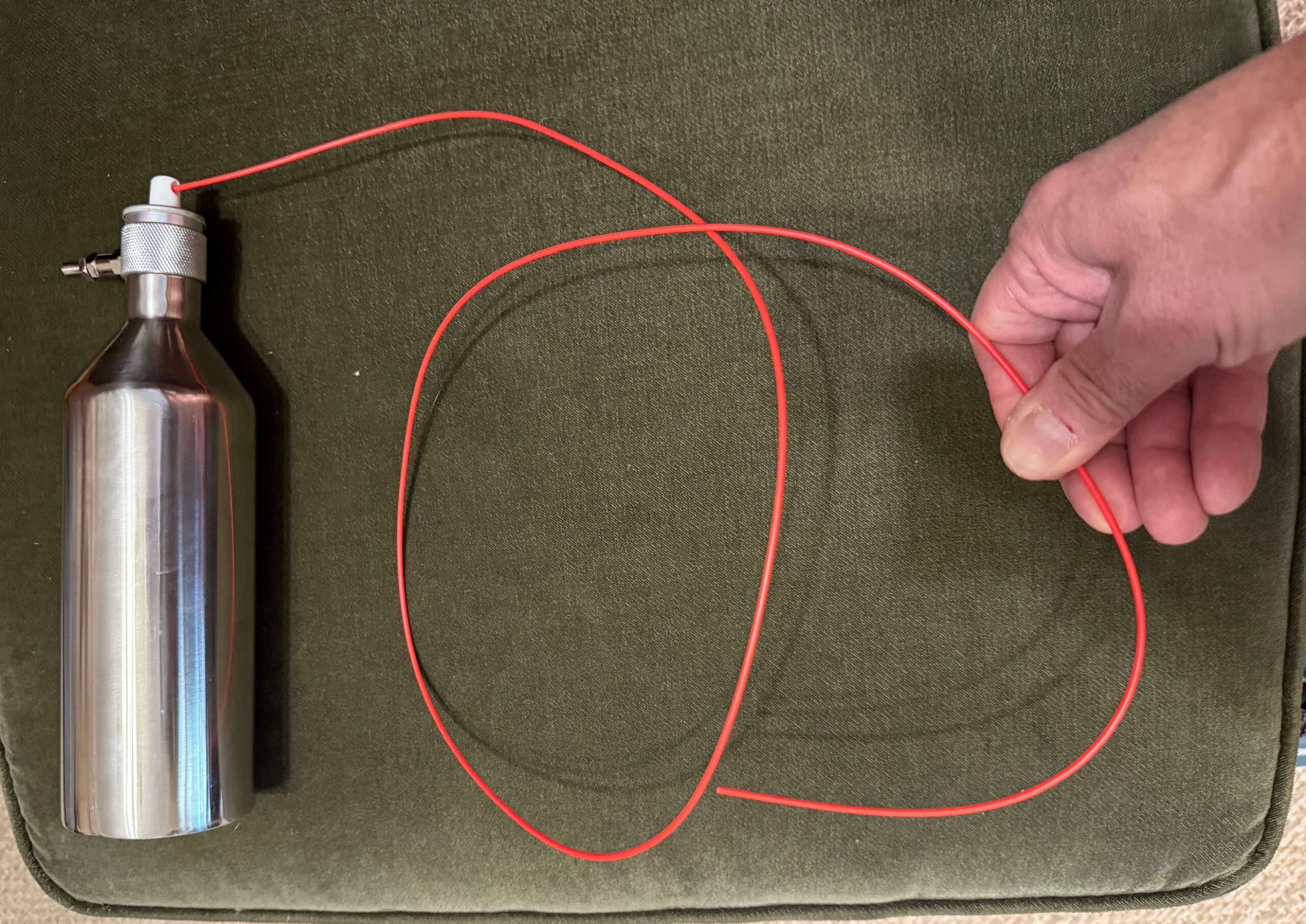
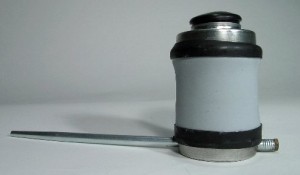
Next, you’ll need to spray inside the home with Cykick Aerosol. This comes with a special injector tube which you’ll use to get the product deep into cracks, crevices and wall voids where they’re living and hiding. The areas you’ll need to treat will include behind molding, baseboards, door frames, etc. And don’t forget to lift any window that can be opened and sprayed under. The area where the window sits is known as the “window seat” and one of the more common areas where book lice will thrive. From there they’ll migrate inside homes so getting them at this key point is important.
PT-Cykick: http://www.bugspraycart.com/insecticide/aerosol/pt-cykick-17-5-oz
Lastly, get some 565 aerosol for open area spraying. It’s a quick kill type product that can be applied to large open surface areas where you see the book lice roaming around randomly. 565 doesn’t last long so it can be used daily if needed both inside and outside the home, basically for spot treating, and one way to quickly reduce what’s active. But it’s not a solve all so don’t rely on it alone. Use the Cykick Spray and Aerosol for long term control and ultimately eradication of this pest.
PT-565: http://www.bugspraycart.com/insecticide/aerosol/pt-565-xlo
Rob @ 12:21 pm
@Tech Support: Thanks so much for your reply! I will definitely get those products you listed above. Is it safe to assume that if booklice are all over our furniture including couches and beds that they have nested there? Since they are literally in every room on almost everything, should we spray each book/item with 565 before packing it up to move? It seems tedious to have to go through all our things but we really don’t want to take those critters with if they are nesting/hiding in our belongings.
Also, our home inspector mentioned that our home has moisture in our under the home crawl space (both neighbors also have this issue). No leaks though, but it seems like a perfect breeding area for them as it’s both dark and moist. Will spraying outside of home and inside baseboards/windows eventually take care of the booklice infestation or is it a matter if figuring out exactly where they are nesting or spraying under the house too? How many cans of Cykick would you recommend for 3 bedrooms, 2 bath, and 2 large living rooms? Thanks again!!
Tech Support @ 1:12 pm
It’s always better to “assume” the worse case scenario. This way after you get everything treated, in theory you should have it covered one way or the other because you will have treated most everything leaving no place for them to hide. No doubt this will be a bit more tedious to do but well worth the time and effort.
As for your crawlspace; I’m sure it’s a significant factor contributing to both the moisture needed by these booklice and it could even be where they’re breeding. With that being said, I would recommend you get a good liquid application done to this area. By treating it thoroughly, you’ll be eliminating it as a nest site. But since the moisture coming from it will still be permeating upstairs, just treating the space alone won’t solve the problem. I say this because the book lice will be able to derive plenty of moisture upstairs without having to go into the crawl and for this reason, treating all the baseboards, furniture, etc. upstairs will be required too.
Now for how much you’ll need? This will vary from house to house based on the size of the structure. But each can of 565 and Cykick will be enough to treat the home at least once. A good guideline to follow is for mild infestations, each can should last 4-8 treatments. For bad problems, more like 2-3. Good luck!
Rob @ 5:07 pm
@Tech Support: Great, thanks! We’re a bit relieved after reading that you say it’s pretty easy to get rid of them. Last question – is the 565 safe on furniture such as couches, beds etc… and is the Cykick safe on hardwood floors? Thanks again! Very thankful we found your site.
Tech Support @ 8:59 am
565 and PT-Micro Care (another pyrethrin based aerosol) are both fine for directly spraying the furniture.
PT-565: http://www.bugspraycart.com/insecticide/aerosol/pt-565-xlo
PT-Microcare: http://www.bugspraycart.com/insecticide/aerosol/pt-micro-care-16-oz
Now since you mention you have hardwoods, I’d say to get the Phantom over the Cykick. I say this because I too have nothing but hardwood floors and use Phantom over most any other aerosol. I use it for one main reason: it goes on dry. That means you can’t see where it’s been applied which makes it “cosmetically” a better choice. Cykick can get “wet” if you over apply it and in fact, this can happen with most any aerosol. So on hard surfaces like linoleum, ceramic tiles, hardwood floors, etc., the Phantom is better suited. Plus it’s odorless.
Phantom: http://www.bugspraycart.com/insecticide/aerosol/pt-phantom-17-5oz
Dan @ 1:58 pm
Read through the article and all comments. We have booklice throughout our entire home. Sounds like for inside the house we need to spray Cykick first on all baseboards/windows and cracks. Is that correct? Then spray immediately after with pt-565? Is the pt-565 supposed to be used in the same way as Cykick (baseboards, cracks etc…) or is it more of a fogger that you spray in the middle of the room? The product label says to leave windows/doors closed when spraying which is why I’m confused how to use this product as I thought it’s better to ventilate the room. Also, we have booklice in pretty much everything we own (books, picture albums, couches, beds) – what can we do to get rid of booklice on such items without them being ruined? Thanks!
Dan @ 2:46 pm
Also, what is PT-PI for? Noticed it’s also for booklice but seems you recommend Cykick and PT-565 instead? Thanks for clarifying.
Tech Support @ 6:14 pm
I definitely understand your confusion; hopefully this will help.
The Cykick is for cracks and crevices only. Since booklice will live and breed in such spaces, using something like Cykick is best because it will leave a residual that can last a few weeks. This is the primary reason why you should use it for these important locations over the 565 which will not leave any residual where applied.
PT-Cykick: http://www.bugspraycart.com/insecticide/aerosol/pt-cykick-17-5-oz
Now the one problem with Cykick is that if over applied, it can leave an “oily” film. This is why it’s not labeled or surface treatments but rather cracks and crevices. Mind you the film is not dangerous but on sensitive areas like books and fabric, this can be an issue so don’t use it for general spot treatments.
But since booklice can be found out in the open, it’s best to spot treat with something that won’t affect the surfaces and the Pt-565 is ideal for this need. It only takes a little of the product to impact any booklice out and about foraging so a light spray of 565 can be effective at knocking out a bunch in little time.
PT-565: http://www.bugspraycart.com/insecticide/aerosol/pt-565-xlo
Now compared to PT-PI, the 565 is about the same only a bit faster acting. Neither will leave a residual like the Cykick but both the PT-PI and 565 can be used in open areas with the 565 no doubt being a bit “stronger”.
Hope this helps; give us a call toll free at 1-800-877-7290 if you need further assistance.
Tech Support @ 6:15 pm
I believe I answered this question above..
Anonymous @ 6:58 pm
We have a book lice issue in our current home and we had one in our previous home. They can be seen in all rooms, on walls and on floors. We keep low moisture levels and a dehumidifier going even in the cold winter months. Our humidity in the house is in the 30′s and they are still around. We don’t know where they are getting in.
We have no signs of mold or leaks or moisture issues in our 1 year old home. We keep all plastic bins up off the floor in our unfinished basement. We keep a very tidy house because of these things. Right now during winter we are seeing them mostly in the basement and in the open stair case coming up. We just cannot figure out where they are getting in.
I am seeing 10-15 a day right now as I check with my flashlight. In our previous home which was only 4 years old, we sprayed foam in the sill boxes thinking they were coming in there but it didn’t seem to improve. What can we do to finally get rid of these things??? I am just very surprised we are still seeing them in the cold midwest winter time.
Tech Support @ 9:53 pm
Most insects come in from outside the home and some can enter through the smallest of cracks. Book lice do both. They are found throughout every state here in America and once they start nesting on any manmade structure, they’re able to use every available entry point to get inside. Now during the summer months they might not be so noticeable because the bulk of the population will be foraging out into the yard to eat. But once it gets cold, they’ll “tunnel” through the walls seeking the warmth. At this point it’s safe to say you have this is happening on your home right now.
Unfortunately, trying to “seal” them out will not prove effective. This is largely due to the fact that book lice can enter through the tiniest of holes. And sealing every entry point is not possible.
Additionally, the moisture level inside the home (as well as the “cleanliness” of the home) have nothing to do with whether or not you develop a problem. The bottom line is that every home on which a population of book lice is allowed to live outside is basically at risk at seeing them inside. In other words, it’s just a matter of time before the problem migrates to the inside of wall voids of the home and from there, into living spaces like you have happening now.
So at this point it’s apparent you have nests living throughout the home. These most likely started outside under the homes siding, roofing, behind facia boards, around window and door frames, etc. Book lice nests start small and typically form “pocket nests”. These nest might harbor 25-50 and once they get to this size, some members of the nest will migrate out and away creating new nests. Eventually some of these new nests will end up in the wall voids of the home and since these spaces will be dark, moist and protected from the cold, book lice will be active all year long.
Now trying to treat everyone of these spaces is not a practical approach to controlling the problem. But there are two things you can do which will eventually kill off these populations.
The first course of action that will get rid of book lice is to start doing some treatments. So to know where to treat, start taking note of where you’re finding these 10-15 book lice every day. And remember, they don’t forage far from their nest site. So where ever it is you’re seeing them, there must be a nest close by. Book lice can live under carpeting, appliances, in couches and other furniture, under sinks, around refrigerators, etc. In fact, the next time you find one “out and about”, don’t kill it. Instead, just watch it awhile and I’m sure it will trail back to it’s nest site and eventually show you where it’s living.
Keep in mind these sites will be very small and the entry way to where they’re hiding might be a crack that’s almost too small to even see. But once you start finding these locations, all you’ll need to do is treat them with some Phantom.
Phantom: http://www.bugspraycart.com/insecticide/aerosol/pt-phantom-17-5oz
Phantom aerosol lightly misted over the area where you see the activity as well as into any nearby cracks or crevices will take care of this area. This treatment will last several weeks and within 2-3 days, kill any living in the vicinity.
Now over a 1-2 week period, you should be able to eliminate most of the local “inside” nests and if you keep persistent with these localized treatments, you should be able to get rid of most all book lice that are active inside the home within a month.
But once it starts warming outside, you’ll need to take a proactive stance on the homes exterior if you want to get rid of this pest for good. Since book lice will start to forage outside as the temperatures warm, the homes exterior will need to be treated with some Cyonara RTS every month. By spraying the siding and the ground around the home, you’ll put in place a protective barrier that will not allow book lice to be active on the treated surface. This means any migrating out of the wall spaces will die. And if you spray the ground around the home (coming out around 5-10 feet to treat any grass, mulch, rocks, etc.), they won’t be able to find their way back inside.
So between the inside Phantom treatments and the outside Cyonara treatments, the book lice population on your home will eventually die off an disappear.
Cyonara RTS: http://www.bugspraycart.com/insecticide/liquid/cyonara-32-oz-rts
So how long will this process take to complete? Probably 4-6 months. But once they’re gone, if you keep treating every month on the outside of the home, you shouldn’t get any inside so in the end, this kind of preventive protection is the best way to proceed for long term control of book lice.
Sheri @ 10:19 pm
Hi, I have a whole bunch of these booklice in my moldy bathroom. They’re on the walls and ceiling and there is 2 corners where many of them line up and crowd up.
My bathroom has no windows, no exhaust and no fans so it gets pretty steamy in there during the winter when we have to use an electric heat and we keep the door closed until all the people (5 to be exact) have taken a shower. This usually takes about 2-3 hours; hence, the humidity can get quite high which I’m pretty sure is why the mold is forming.
OK, so back to the bugs; which sprays/products are safe to be used in the bathroom and how/when to use the products? I would like to get rid of the booklice, then try to maintain it so to prevent them from coming back for the time being so I could look into getting a dehumidifier or have a fan/exhaust installed.
Thanks in advance.
Tech Support @ 11:55 pm
Based on the current conditions (high humidity and mold) you described, there would be little if any benefit from using a residual product. In other words, any residual would just break down rapidly and the book lice will be able to keep coming back. So with that being said, I would say going with the PT-565 space spray daily should suffice. At least for now.
PT-565: http://www.bugspraycart.com/insecticide/aerosol/pt-565-xlo
Basically what you would want to do is apply some to the areas where you see activity after everyone has showered in the morning. The 565 doesn’t leave any residual, which is fine since nothing could last any length of time in this room anyway, but it will kill the exposed lice on contact.
And if you treat daily, you should be able to stay ahead of the population so it will be kept minimized and barely detectable.
Now to start, I would say to treat in the evening as well, just before you retire. This way you’d be getting them in the morning and then again in the evening which would be best. Eventually you might be able to cut back to just one a day but for the first week or two, try twice daily until they’re gone.
The good news is the treatment would be easy to do (basically it’s like spraying hair spray) and if you follow this schedule, you should be able to keep their numbers in check. And if you do get some way of reducing the humidity in the room, you’ll be able to use one of the residual products which in turn would mean less treating. But this can only be attempted after the humidity has been dramatically reduced and no mold is able to grow.
Guest @ 12:48 pm
We have an issue with booklice, springtails and clover mites. Is there a product that will take care of all three inside the house and outside the house? And in the fall we get a lot of boxelders and some stinkbugs. Looking for a product that will kill and not repel which tends to just spread them around more. And something with long residual effect but yet safe for use around kids. And for outdoors; something that will hold up to the sun beating on the house and rain. Also a product we can treat the yard with. So I am guessing there are a few different products we will need to treat with but just don’t know what ones.
Tech Support @ 2:24 pm
If you look through our site, you’ll find we have articles on all the pests you mentioned. Additionally, you’ll find there will be a wide range of products listed to control them which will no doubt make the process sound complicated.
The good news is that what we sell is what the professionals use and because these products are so good, you should be able to control your target pests with just a few key products. So here’s what I recommend.
For starters, spread Bifen Granules around your home. This means in the yard, in any flower beds, pine straw islands or wood chip mulch areas. Bifen granules will last 1-2 months per application, work on a wide range of pests and are safe to be used where people and pets are active.
Bifen Granules: http://www.bugspraycart.com/insecticide/granule/bifenthrin-g-25-lb
Next, spray Cyonara RTS over the top of the Bifen. It comes in a handy garden hose sprayer so all you need to do is attach it to your garden hose, turn on the water and start spraying.
Cyonara RTS: http://www.bugspraycart.com/insecticide/liquid/cyonara-32-oz-rts
Next, get Bifen concentrate and spray it on the homes siding. It’s odorless, works on just about everything and will last 1-2 months per treatment.
Bifen IT: http://www.bugspraycart.com/insecticide/liquid/bifen
Lastly, get some Phantom aerosol for use inside. Treat baseboards, molding, door frames, etc. by using the straw injector. Phantom is odorless, works on just about everything and goes on “dry” making it a great choice for use inside.
Phantom: http://www.bugspraycart.com/insecticide/aerosol/pt-phantom-17-5oz
Each of the links above will put you into our shopping cart where you can read up on these suggestions. Additionally, there is a safety video on each page which goes over everything you need to know regarding the safe use and storage of these products.
Lastly, though most everything you mention will prove easy to control using these suggestions, I’m afraid the springtails are the one pest that could remain a problem for a long time. To understand the complexity of this pest, read our article and the posts from customers. Basically they can be persistent because they live in the yard and the yard treatments can take several months if not a year or two before they get deep enough down to really thwart the local population. That being said, you should be able to manage the problem. Just don’t expect it to go away overnight.
Springtails: http://www.bugspray.com/article/springtail.html
Bang @ 1:08 am
Hi, I have some booklice problems in my bathroom ceiling. Which product would be right for use on the ceiling? Most aerosols are directed to be used upright, so would the 565 or cykick aerosols still be ideal to be used spraying parallel to the ceiling? Also the cykick aerosol is ONLY for cracks and crevices and can’t be used on wide space such as a wall? If the cykick aerosol is ok for wide spaces (walls), would the residuals be harmful if touched after application?
Tech Support @ 8:54 am
First, either product can be used. As our information above explains, the 565 will provide a quick kill and having used the can for many years, I know from experience you can direct the spray “upward” no problem. But more importantly, as a space spray it won’t matter. In other words, the coverage would be throughout the area whether you direct the spray up or not so it’s not vital to the success of the treatment; just treat the air space with the right amount of 565 and anything in the room will succumb to the treatment without having to take a direct spray.
PT-565: http://www.bugspraycart.com/insecticide/aerosol/pt-565-xlo
Second, the Cykick aerosol is for crack and crevice use but it’s also labeled for spot treatments. This is essentially “surface” treating. You can confirm this by reviewing it’s specimen label (we have a label link on the Cykick product page).
PT-Cykick: http://www.bugspraycart.com/insecticide/aerosol/pt-cykick-17-5-oz
So if it was my bathroom, I’d be using both. I’d use the Cykick first to hopefully get the area properly treated but then afterwards, anytime I saw a booklice, I’d do a quick spray with some 565 to make sure it doesn’t go off and continue nesting elsewhere.
One of the advantages of the 565 is that it can be used as frequently as you want (even several times a day if desired) so it will prove handy to have around. But this is also a disadvantage because it won’t affect the “hiding” booklice. And this is where the Cykick can pay dividends because it will no doubt remain active for a week or two.
Lastly, the area should be kept close and people should stay out of the room following treatments. I’d let it sit for a good 30 minutes but after that, if you open the door to the room and let the air circulate, there will be no hazard or risk to anyone wanting to use the room.
And this would be true even if they touch treated surfaces. The reason for this is because if you apply the product properly, it will be so thin over the surface area that there can’t be enough material out to have an impact through dermal exposure.
Furthermore, if this bathroom is like most (meaning it’s used for showering and washing), the high moisture levels will no doubt break down the treatments that much faster meaning the residual from the Cykick will be diluted much faster compared the normal breakdown time due to the high levels of moisture.
You see, water ruins any pesticide and high humidity will make it useless much faster compared to treatments done in dry rooms. This is the reason why treatments with Cykick will only last 1-2 weeks compared to other areas of the home where it could easily last 3-4 weeks.
Sheri @ 12:33 pm
I have a bathroom problem. Should I be using the 565 to kill off the booklice and then use the rough n ready to wipe the molding walls? Is it ideal to use the rough n ready with a pump sprayer in the bathroom?
Tech Support @ 12:50 pm
Rough and Ready will neutralize the PT-565 or PT-Cykick so you need to use it first.
Now since most bathrooms I know are relatively small, I would say wiping down the walls, moldings, crack, crevices, etc. would be the way to proceed. Pump sprayers are generally only needed if you were treating say a crawl space under the bathroom. Or maybe a large cement area just outside the bathroom like a concrete walkway, patio slab or garage floor. Large areas like those would be where a sprayer would prove helpful. But in a bathroom, I’m sure it will only lead to over use.
Rough’n Ready: http://www.bugspraycart.com/sanitizer/liquid/rough-and-ready
Now once cleaned, let the area sit for 2 hours to dry. Next, it would be best to apply PT-Cykick to all cracks and crevices because the booklice are no doubt living in these cracks and spaces. And if you have bathtub in the room, try to get access to under it in the drain trap. These are many times key locations where book lice will nest and forage.
But the point here is if you’re able to treat these areas directly, you should be able to effectively take away their nest site and control the problem.
PT-Cykick: http://www.bugspraycart.com/insecticide/aerosol/pt-cykick-17-5-oz
Now since most bathrooms are small, using PT-565 shouldn’t be needed because again, I think you can effectively treat the entire room with just the Cykick. When treating several rooms or if the book lice are active on large, wide open surfaces, PT-565 is the way to go but in general, not needed for the average bathroom.
PT-565: http://www.bugspraycart.com/insecticide/aerosol/pt-565-xlo