rat control, Rat Control, RAT CONTROL, mouse control, Mouse Control, MOUSE CONTROL, rat trap, Rat Trap, RAT TRAP, mouse trap, Mouse Trap, MOUSE TRAP, rodent control, Rodent Control, RODENT CONTROL, rat prevention, Rat Prevention, RAT PREVENTION, mouse prevention, Mouse Prevention, MOUSE PREVENTION, rodent prevention, Rodent Prevention, RAT INFESTATION, rat infestation, Mouse Infestation, mouse infestation, mice control, Mice Control, MICE CONTROL, warf rats, Warf Rats, WARF RATS,	mouse control, Mouse Control, rat control, Rat Control, RAT CONTRO, mice control, rats, Rats, RATS, MICE, mice, Mice, rodent control

RAT CONTROL

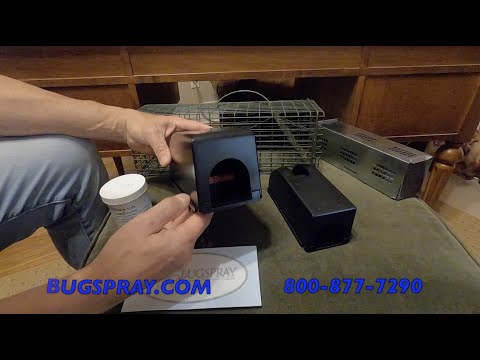
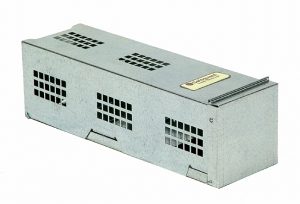
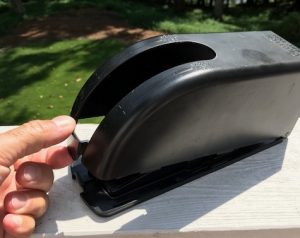
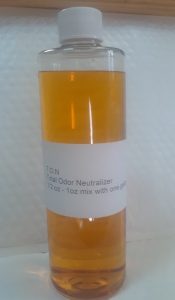
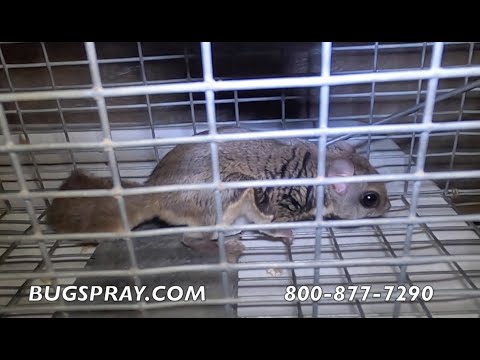
This article is about RAT CONTROL and MOUSE CONTROL. It will explain why they are a pest and what needs to be done for controlling infestations. PLEASE NOTE: YOU CAN SEE PICTURES AND PRICING OF ALL THE PRODUCTS LISTED IN THIS ARTICLE BY CLICKING YOUR MOUSE CURSOR WHERE PRODUCTS APPEAR UNDERLINED IN THE TEXT BELOW. Most of your questions will be answered in the article. Be sure to read all of it before you call in for technical support. If you are looking for information about any other insect or animal, go to our article archive section by following the link below where you will find in depth articles and information on just about any pest. CLICK HERE TO GO TO OUR ARTICLE SELECTION PAGE Fall is the time of year when mother nature tells animals that winter is coming. This prompts animals to prepare for colder weather. This preparation includes eating more food, hoarding food and finding appropriate shelter. Animals can become a nuisance when they use our homes and apartments for their nesting. And throughout North America, there are many animals who will move in with us if we give them the chance. Among the more common to do this are rats and mice! Mice are small rodents which can multiply rapidly. They feed on stored products, bathroom accessories and all kinds of seeds including bird and lawn seed. We have a few species in America and all will invade our properties. Once inside, you will find their droppings where they are foraging for food. Their droppings are small, black, oval shaped and about the size of a grain of rice. Large roach droppings look the same so be careful not to confuse the two. Mice love kitchens, pantries, bathrooms, furniture and cabinets. They will nest in dresser drawers, closets and garages. Attics provide adequate nest sites, but mice prefer living close to their food. Attic's and crawl spaces may have mice living there unnoticed for long periods of time. This can lead to odor problems, damage and mess so any workers or owners entering these areas should be on the lookout for telltale evidence of an infestation. Rats are the other rodent which will move into any structure man builds. We have both Roof Rats and Norway Rats in America. Roof Rats are excellent climbers and prefer to live in attics or cabinets. They can scale most surfaces and may access your property by climbing up brick, stucco or wood siding. Once on the roof, they will find any small route of entry. This includes vents to bathrooms, gable vents, spaces around soffits, exhaust pipe holes, spaces between facia boards and roofs and just about any vulnerable spot. If none exists, they will chew a hole. Norway Rats prefer to nest in the ground. They dig burrows around railroad ties, gardens, trees, shrubs and against foundations. These burrows will lead into crawl spaces and through cracks around pipes in slabs. Once inside your property, they prefer to nest low in kitchens and bathrooms. Both species have droppings about the size of a black or red bean. The Norway Rat droppings have smooth round ends but the Roof Rat dropping has pointed ends. Generally speaking, these droppings will get larger as the rodent grows bigger. As with mice, rats leave their droppings where they travel. These locations will be where rodent control programs need to be implemented. Controlling rodents is ongoing. Successful programs start before you have a problem. Know your property. Look for problem areas outside your buildings. These areas may include dumpsters, standing water, creeks, streams, neighboring businesses, and drainage systems. The most common attractant around the average home in America include either pet food or bird seed. The smells from these items is so strong it will attract several types of animals to your yard. Once they get a taste of these nutritious foods they will try to feed there daily. If you suspect you have rodent activity around pet food or bird seed, DO NOT REMOVE the food until the animal has been successfully trapped, relocated or destroyed using any of the options which this article will detail. Simply put, rodents are creatures of habit. If you remove their food source thinking they will go away YOU ARE WRONG. All you will do is force them to adapt. This adaptation will generally lead them to where the food is stored, where the food came from or where food similar to it is kept. The bottom line is that removing the outside food source will more than likely cause the rodent to come inside your home seeking more food. If you leave the attractive food supply outside and in tact, you will have the upper hand in dealing with this animal because you will know it's behavioral patterns which are centered around the pursuit of food. (Don't waste your time hoping your dog or cat will ultimately chase the rodent away. Over 80% of our customers who have pets have rodent problems. This percentage is significantly higher than homes without pets which leads us to conclude that homes with pets ARE MORE LIKELY TO GET A RODENT PROBLEM than homes without pets. You may not get any for a year, five years or even more but at some point, local neighborhood rodents will find your home and offerings due to the smell of nutritious pet food. Pet food is packed with more nutrition now than ever as is bird seed and rodents are able to detect these food supplies like flares in the night sky. Once found, they will not easily give up and go away from any feeding patterns. Use this to your advantage. After the rodents are successfully removed, you can alter the outside food supplies to help reduce future problems but only at such a time that you are certain there is no activity. A simple thing like installing a RAT PROOF BIRD FEEDER can prove to be a big help. If you have windows which aren't around ledges or access points for rodents, then WINDOW BIRD FEEDERS may be an option as well. Any of these feeders will allow you to minimize the waste from birds as well as keep the rats or mice from stealing all the bird food. If you cannot change the environment, (such as having a big walnut or pecan tree) then locate points between the attractant and your structure where you may be able to intercept the rodents before they get into your home. Remember, it is always easier to keep rodents out. Once they get in, controlling them requires more work, more cost and more aggravation. (Another word of advice: If you know the route of entry to your building, DO NOT CLOSE OR SEAL THE HOLE UNTIL YOU KNOW THERE IS NO ACTIVITY AND THE ACTIVE RODENTS HAVE BEEN REMOVED OR DESTROYED FOLLOWING THE GUIDELINES IN THIS ARTICLE. This is another critical part of rodent control. All too many times people will unknowingly close or seal holes thinking the rodents will simply go away. Nothing could be further from the truth. Again, these are creatures of habit which will stop of nothing short of death to reclaim their home. Think of it like this: If you came home and found all your doors and windows boarded over for no reason would you simply walk away never to return? Of course not. You would do all you could to get inside, claim your personal belongings and find out what is happening. The same is true with rodents. When closed out of their home, they will chew through wood, plastic, metal and cement to get back inside. Remember, they are creatures of habit and knowing their route of entry makes trapping them or using one of our methods listed below all that much easier. To control existing populations, first consider the options. Methods of control include poisons, snap traps, glueboards, electrocution and live traps. Rodenticide is a poison bait which rodents eat. Most rodenticides are anticoagulants which mean they prevent the clotting of blood. The material works by affecting different components of the animals body. In effect, the rodent looses it's ability to have it's blood clot. Once an artery or vein ruptures, the animal dies. This can happen from a cut or when the animal sustains an internal hemorrhage. Either way, it has the potential to lead to a mess. Be prepared to find rodents randomly. Make sure to keep them away from children and pets. There are risks using any rodenticide and you should be aware of them. No rodenticide causes the animal to seek water or to die without smelling. No product has ever had this capability nor has any manufacturer claimed such a feature. Though we may never know for sure where this old wives tale originated from, it appears that pest control companies started telling customers this would happen when rat poisons were first introduced. Customers were not likely to let poison be used if it was commonly known that death would be random; telling people rodents would either seek water outside and die or dry up and not smell when they deceased was readily accepted by consumers. Regardless of it's origins, countless mice and rats have died in attics, crawl spaces and behind walls. Once dead, their bodies were left to decay. Odors would permeate into living areas and persist for weeks. If you have such an odor problem, use NNZ to remove it. This enzymal compound works two ways. First, it readily "eats" the odor molecule which is a gaseous by product emitted by the decaying organic matter - in this case the body of the rodent. It also attaches itself to other odor causing molecules created in the breakdown of the body and causes them to get heavy and simply fall from the air. This dual action will help eliminate the odor. You will get the best results if you are able to apply the product directly where the animal died. If you do not have access to this area, you can spray NNZ in crawl spaces, attics and into wall voids where you think the animal died. NNZ has no odor so you won't know it's been applied which means the bad odor may still be detectable for a short while. If you prefer the product applied to leave a slight "masking" agent osmell, use the N7Z. This is the same material as the NNZ but N7Z also has a slight fresh fragrance that's to help let you know you've applied it to a certain area and to help cover any offensive odors that were present. This will help minimize the unpleasant smell during the time N7Z is working to remove the odor. Many times odors will develop where rodents have been active for long periods of time. This commonly happens in attics and crawl spaces. If you are not quite sure where they have been traveling use one of our PORTABLE BLACKLIGHTS. They operate off 4 "AA" batteries and are invaluable at locating exact locations where rodents have been traveling. Simply turn down all the lighting and turn on the Blacklight. Don't be frightened at how many places you are able to see where urine and feces have been distributed. Along with excrement, there will be other bad things. Rodents carry disease and there are all types of virus and bacteria commonly found where rodents are active. (This is the main reason why we don't want them in our home). If you have had activity for a short while, there is probably no reason for alarm. However, established infestations and any room or part of the home where odor is detected needs to be cleaned. To insure you don't inhale virus or bacteria during cleanup, wear a DISPOSABLE RESPIRATOR. This will filter out any possible contaminate. To help minimize this risk some more, lightly mist water over the area to be cleaned using a vapor created by a spray bottle or humidifier. The moisture will help keep dust and contaminates from getting airborne. Since bacteria and virus will thrive in rodent droppings, you will need to remove as much of it that you can find. The best product for this cleanup is ROUGH'N READY. It is used by commercial processing plants, hospitals, etc and is very fast acting and complete. It can be diluted though you using it at full strength is generally preferred. It comes in liquid form and can be sprayed or wiped over areas you need to clean. If you have a lot of non-porous surfaces like countertops, ceramic tile or any hard surface where activity has been noted, get the HOSPITAL DISINFECTANT SPRAY. This is a ready to use aerosol which works well at killing any type of bacteria or virus and will quickly sterilize without hurting finishes or making a mess. Once you start the cleanup, be sure to place all rags, towels, droppings and other contaminants in a plastic bag for disposal. Wear rubber gloves during cleanup and be sure to wash your hands, clothing and shoes following the job. Once cleaned, use our ODOR DESTROYER to eliminate foul smells. Though the Rough'n Ready and the Hospital Disinfectant spray has a clean smell which will last for awhile, droppings, feces and other animal fluids have odors which require a special mix of enzymes to eliminate. Thats what Odor Destroyer is designed to do. This product works like Odor Killer but it also eliminates the smells from their urine and feces. Treat attics, insulation, floor boards, crawl spaces, dirt floors, floor joists, rafters and any where activity is noted. The more surfaces that are carrying the odor which are treated will enable the product to work both quicker and better. In other words, Odor Destroyer won't affect areas where it isn't applied like Odor Killer can. If you insist on using a poison for control, understand that non target animals such as children and pets are also vulnerable to these products. For this reason you must be extra careful when using any rodent bait and the use of protective tamperproof bait stations is strongly recommended to help prevent accidental poisoning. In fact, it's most likely all rodent bait will one day soon only be sold in protective bait stations. This measure is being done mostly to prevent the misuse currently happening with rodent bait that so many times affect non-targeted animals. With that being said, there are OK locations where the use of bait presents minimal danger or risk to non-target animals. Vacation homes, sheds, abandoned lots and commercial buildings are such places and clearly better suited for these products. In general, placements made away from people and pets are OK and when done properly, the use of rodent bait can be an effective tool for rodent control. The original bait, EATONS AWBB, are still being manufactured and are a kind of parrafinized block that's formulated with strong attractants so they are readily found by most any foraging rodent. Their waxy base enables them to stand up well in moist or even wet conditions and still be accepted by rats and mice. But they've been around a long time and use an active which isn't the best anymore. They take a long time to kill targeted animals and even after a lethal dose has been consumed, targeted rodents will continue to feed which leads to a lot of bait being used. To help curb consumption of bait during rodent control programs, newer formulations have a more acute response time and most all are now what we call "single feeds". BOOT HILL BLOCKS are one of these newer bait's which work much faster compared to the Eatons and in general, a lot less is needed since it's a single feed compared to the multi feed active in the Eatons AWBB. And one of the best actives we've found is Bromethalin because it uses a "stop feed" active. This means once a lethal dose has been consumed, the targeted rodents will stop feeding. This also ensures there won't be any risk of bait shyness. Bromethalin comes in two forms. BROMETHALIN BLOCKS are blocks which ready to be set out and placed in burrows or hard to reach places. They are weather resistant and designed to be used in moist areas like crawl spaces and water retention ditches. They will work for either mice or rats. BROMETHALIN PELLETS are place packs and more suited for inside applications. The semi-porous package enables odor to release so rodents will find them. Use them when either rats or mice are the suspected rodent. If you want to keep the bait out of sight or protected, use either RAT or MOUSE Bait Stations. These plastic boxes are designed to keep the bait fresh and protected. If the placements will be in commercial buildings or outside where children or pets may find them, use Tamper Proof Stations. These heavy plastic boxes can be attached to stakes in the ground. Their tops lock on and can only be taken off with a special key. These bait stations are designed to keep pets from accessing the bait. Small children may be able to slide their hands inside, but the bait is tucked away in chambers which will be out of their small hands reach. These bait stations are available in either RAT SIZE or MOUSE SIZE. For maximum security, get the CLEAR TOP TAMPERPROOF RAT SIZE which have several features making them the best all around Tamper Proof station available for either rats or mice. They have the see through top so you don't have to open them for inspection. They have the Bait Bars which work with Bromethalin Bait Blocks. These bars slide through the bait and when properly inserted into the station will lock the bait into each feeding chamber so the bait will stay that much more secure. These also feature an allen key bolt for the top so you don't need any special key to get inside along with replaceable bait trays which lets you keep the station clean. Just replace trays as they get dirty since clean stations will get rodents to feed that much faster and consistently. Lastly, you may have a unique location where stations are needed like on top of a fence pole or a round tree limb. The stations listed above aren't the best for such applications but our TOP LOADING STATION is ideal. It's long pipe like design enable it to be mounted via screws, nails or even long cable ties to anything round. Since rodents will many times find their way into structures via tree limbs, placing some stations on these pathways can prove to be very effective at getting them to find your bait placements quicker leading to faster results. To further secure the Tamper Proof Stations from uninvited guests, use BAIT STATION STAKES to secure them to the ground. These stakes have a simple way to connect them to the station and will prevent animals and people from gaining access inside without the key. (They will also help prevent the stations from being stolen). These can only be used on the two flat lying Rat Bait Stations, which use our item number 287886 and 287892. Another poison that can be used is LIQUID BAIT. Though not too effective for mice (since they are able to derive their water requirements from the food they eat), liquid bait works well for rats which are a problem in dry areas. Set the liquid out in LIQUID BAIT STATIONS where rodents are active. Like other poisons, be sure to have such placements away from children and pets. If you have tamperproof stations installed, liquid bait can be used in small cups located in the bait station. Otherwise, the Liquid Bait Stations should be placed up high, behind appliances, in cupboards, in attics or crawl spaces or generally out of the way where only the target rodent is likely to find it. This will help minimize accidental consumption by non-target animals. Snap traps may offer some help, but have inherent problems too. Don't waste your time with the original design that has a small metal trigger. Instead, try using an expanded trigger trap. Both mice and rats will easily clean the bait off the old metal trigger traps but doing so is harder with the expanded version. Another advantage is that these traps do not need bait. Just place them alongside the wall where the rodent is foraging. Be sure to locate the trigger closest to the wall. The trigger is large and the rodent will step on it. Such traps will catch one or two for initial cleanouts and preventive maintenance programs, but don't rely on them if you suspect more than one animal. They come in two sizes for either RATS or MICE. Use a lot of them and keep the trigger against the wall or in a path you know they are using. And you might want to consider one of the two new styles of "kill traps" which we now offer. Equally effective, these traps are much safer to handle and reduce the risk of accidentally snapping your finger. These traps are the SNAP-E SNAP TRAP and the T-REX SNAP TRAP. Although baiting is not necessary when using these traps, you should definitely add some TRAPPERS CHOICE PECAN for mice or TRAPPERS CHOICE LOGANBERRY for rats. These strong smelling attractants will guarantee that the trap will be found. However, don't expect to catch a lot of rodents on this type of trap. Once the population sees others dead, they will avoid the traps at all costs. Rats and mice killed in these devices can create a mess. Be prepared to find rodents mutilated, torn apart and in some cases having their entrails spilled. Make sure traps are placed where such a mess will not pose a health problem. Since these traps are spring loaded, a child or pet can easily set them off. A small child or pet catching their hand or paw in such a device could lead to broken bones. This is certainly true of the Rat Trap which has a nasty spring. Make sure to place them inaccessible to curious hands or animals. In some cases, the use of RAT TRAP STATIONS are warranted. They hold two traps, have small entrance holes on either side, and can be used in messy areas where traps have a tendency to get dirty or disturbed. These Stations are both heavy and protective so they will shelter the traps from debris so you don't have accidental triggering and they will keep unwanted targets away and safe. Use them in garages, basements, warehouses and even outside. The Stations are so strong, you can set a Cinder Block of cement on top to anchor it which insures most non-target animals won't be able to get inside. Glueboards are another device which may have seen better days. These "traps" rely on the use of non-drying glue to catch and hold unsuspecting rodents. The traps vary in size and are placed alongside walls, around cabinets, under furniture or refrigerators. In general, place where rodent activity is known to exist. When the animal steps onto the glue they get stuck and cannot pull free. They usually will not quit, however, and many times will pull a leg, tail or section of their body apart in an effort to escape. Again, this can cause a mess so be careful to use these devices where young children are not likely to stumble upon such a mess. The author has encountered several mice and rat caught on these traps which were screaming! It is a loud, almost human scream and anyone who has this happen in their home will never allow such a device to be used again. Don't be alarmed if this happens when these traps are being used. RAT GLUEBOARDS must be large enough so that when the animal gets caught, it cannot drag the board away. MOUSE GLUEBOARDS need to be small enough so that many can be placed in all the small runways they will establish. Use a lot to insure a quick catch and prevent glueboard shyness. Use a PLASTIC GLUEBOARD if you have a wet area where intend on setting them out. The paper design will quickly fall apart; the plastic tray glueboard will work for both mice and rat and will last well in wet conditions. And if you have extra large rat, get the EXTRA LARGE GLUEBOARDS. These are made with trays and measure a whopping 10" x 12". They hold up well in wet environments and are sure to secure the biggest rat. If you have a special need and want to make your own traps, get some BULK GLUE. This is a very sticky glue which is used to create traps on any type of flat solid board, plastic, etc.And if needed, consider using some HERCULES PUTTY to help hold them in place. This product is handy for use with glueboards as well as snap traps and bait stations. Electrocution is another method which may help in your rodent control management program. This method of control uses electricity to shock the mouse or rat to death. You will need to know where the animals are feeding or active. This will be where you are finding droppings, pathways or nest sights. Install ZAPPERS where such locations exist. Zappers are easy to use, work off inexpensive batteries and are able to deliver a powerful shot of electricity which will prove fatal to any rodent. Bait them with whatever it is around in your home they want. This is usually pet food, grass seed or bird seed. You should also add some of our Trappers Choice paste as well for added attraction. Try to use the Loganberry for rat and our Pecan for mice. However, if you are not sure which animal you have, get the Pecan - it works for both. Once they enter the device to feed, they will ground out the circuit causing a fatal amount of electricity to pass through them. This will lead to a painless death. Though humane, this type of death can be messy. If the animal loses bodily fluids upon death, it is important to clean the Zapper in order to have the circuitry work properly. A damp rag will usually suffice; don't submerge the unit in water or else you will ruin the electrical components which are not waterproof. Be sure to remove dead rodents as quickly as possible. This is important to insure others won't become shy of the device. Be sure to place them away from where children or pets would have access as well. Though not deadly, the shock would be quite painful and prove to be a bad experience to any person or pet. If you have a lot of locations with activity, you should consider the BATTLE STATION. This configuration includes a Zapper Monitor along with Zappers that are equipped with radio transmitters. These transmitters will send a signal to the monitor when they have been tripped. The monitor then displays a red light for any which send the signal which means you only need to view the monitor instead of having to inspect units which may be placed in obscure locations. The Monitor can handle up to 16 units and the transmitters are quite powerful since they use the 319MHz frequency. The signal will pass through glass, wood, plaster board, insulation and to some degree masonry. This unit is perfect for large homes, commercial buildings and apartment complexes. Since you can "see" if there has been any activity without having to walk hundreds of yards, the unit pays for itself over time. The last option (and best) is to use any of the live catch traps available. Many people believe catching rats or mice in live traps isn't possible. But it's easy once you know where they are active. Check out this short video clip showing a live trapped roof rat I was able to catch on my back deck!
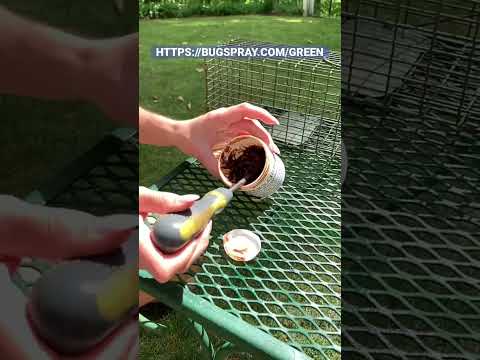
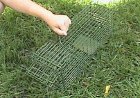
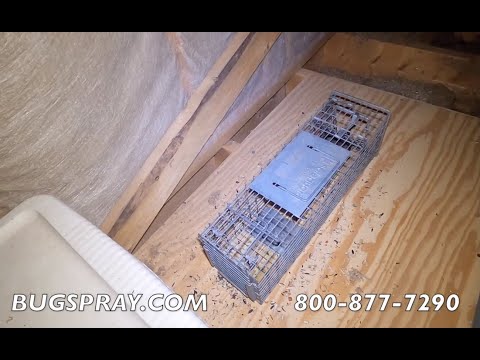
Live trapping rodents is not impossible. In fact, because these devices do not kill or harm the animal, most can be caught over and over. The latest design of traps will last a long time, catch many rodents and be able to catch even the most experienced and wary rodent. There are many models available for either rat or mice. The Tin Cat, Mouse Master and Kwik Katch offer multiple catch capability for mice. The author has used both TIN CATS and MICE MASTERS and several times caught over 20 in them with one setting. The KWIK KATCH is smaller and will not hold as many, yet it does an OK job. One of the more unique designs which enables a multitude of sets is the LIVE MOUSE TRAP MULTI CATCH. It can be set out to conform to all kinds of environments and because it's plastic, it does fine in wet environments. It's the only trap that can "bend" around corners effectively. Use the Kwik Katch or Multi Catch where you have moisture since the plastic design is more resistant to breakdown. If moisture or shape is not an issue, go with both Mouse Master and Tin Cats for the best results. The general rule to follow if trying to decide which trap to get is to use a Mouse Master if you have room to fit it. This trap sets the highest off the ground and is about the size of two cigar boxes set on top of one another. If you have enough room for the dimensions of the Mouse Master but need to put the trap under a piece of furniture, use the lower sitting Tin Cat. It will work just about as well as the Mouse Master but it's flat profile enables you to set it where you might not be able to set the Mouse Master. Use the Kwik Katch where you know you have a moisture problem. It is built from plastic and lasts well in humid, wet environments. To set, place a strong attractant like TRAPPERS CHOICE PECAN in the holding area of the device along with any other food stuff they may be eating. This includes pet food or bird seed. The Trappers Choice will lure them close and when they see and smell some of the food they are used to eating, you will quickly catch them. The great thing about these traps is that they don't kill the animals so others do not become wary or afraid. In fact, I have observed a trap with several mice in it seemingly lure new ones to it. The untrapped mouse would come and circle the holding area interested with the activity going on inside. The smell of food is so powerful that even after being trapped the mice do not become upset or frightened. However, if they are left there for any length of time and the food supply runs out, they will become frantic and distressed. Be sure to place plenty of bait inside to insure they will be comfortable and quiet once trapped. If you are inspecting the device every day or two, this will not be a problem. If you are using this device in a vacation home or some part of the house where it is difficult to inspect it daily, you may have some of them dying before you are able to empty it. If the animals are left to die, they will certainly smell and decay. Try to stop this from happening. Although other mice will avoid traps with dead animals, once they are removed and fresh bait is installed, you will be able to catch more. To prevent any type of trap shyness from happening, however, try to prevent any from dying because you left them in the trap unattended too long. If you are unsure if you have mice or young rat, you may try getting our single catch live trap which is universal. It is very small and generally designed for mice but it will work for small rat as well. The LT3310 has vented sides and a rear opening door which makes it easy to bait and to release trapped animals. This trap is perfect for catching family pets which get out in the home since it is the safest live trap of all with no risk of injury to targeted animals. It will only catch one at a time but it has many other benefits which make this the trap of choice for many applications. If you are trying to catch rats, you will need to use a bigger trap. In the trapping industry, we have several models that can do the job depending on your situation. If you have 10 or less animals to catch, the 5X5X16 GREEN LIVE TRAP will probably do the job. It's OK for small jobs and strong enough to hold any rat but don't expect it to last forever. It can be used inside or outside. It's hard to notice this trap when placed out in green grass, shrubs or other plant life in the yard making it ideal for stealthy trap placement where you may have over curious adults or children. These traps are commonly used by professionals as are the commerically built LT5518 and the LT5518RD. Either the LT5518 or the LT5518RD will last for many years and can be used inside or outside. The LT5518RD features a rear sliding door making both baiting the trap and releasing trapped animals easy. For known heavy or large populations, the use of repeating traps might make sense. The 3.5 x 3.5 x 24 REPEATER and the 5x5x30 REPEATER RD are true mulitiple catch live traps. Both feature two one way doors. When rodents enter the first door, they are caught in a holding area from which they cannot escape. Their only option is to pass through another door which leads to yet another holding area. This rear holding area is where most trapped rat will end up due to their natural curiousity. The 5x5x30 has a sliding rear door making both baiting and animal release easier and worth the extra cost. All of our live traps feature 1/2" by 1" wire which is mandatory when live trapping rat. The more commonly used 1" by 1" wire found on many live traps simply isn't tight enough to hold most rat. They can easily pass through the 1" square hole so don't use it. CLICK HERE TO SEE A PHOTO OF A LIVE TRAPPED RAT CLICK HERE TO SEE VIDEO OF A ROOF RAT LIVE TRAPPED Bait with whatever food the animals are known to be eating and then add TRAPPERS CHOICE LOGANBERRY to make it irresistible. Placement of the trap should be where most activity is noted. If the animal is in the attic, try to place the trap where their droppings are accumulating. If you are finding droppings around a garbage bin or storage area in the garage or basement where you store bird seed or pet food, place your trap there. Another great trap set is under bird feeders. Since rodents will readily feed on over spill, a trap set at such locations will be productive. One other place to set these traps is along pathways into your home. If you have found routes of entry you can use them as prime locations to make trap sets. Follow this rule when determining to make a set: 1) Try to set the trap as close to whatever it is they are attracted to or what it is they are actively eating. 2) If you do not know what their food supply may be, use one of our attractive lures coupled with some pet food or bird seed and you will readily trap them. Place the trap where you suspect activity as evidenced by where you have found droppings, chewed entry holes or where you hear nighttime activity. Once caught, relocate the animal either 5 miles away or destroy it. We are constantly asked how to destroy rodents and though we don't recommend one method over the other, here are some methods which customers have used to discard trapped rodents. Drowning. This is done by placing the animal in a bucket of water while still in the trap. You can also use a stream or pond if one is close by. It usually only takes 15 minutes and any rat or mouse will be dead. Freezing. Placing the trap in a bag and then in a freezer will cause it to go to sleep and then to die. This is painless but does take awhile. Plan on keeping the animal in the freezer overnight. Suffocating. Though this sounds humane, it can get difficult to do since it is hard to devise a way that removes all air available. Rodents will prove to be persistent so expect them to hang on quite awhile. Electrocution. The Zappers detailed above have proven to provide a very humane way to destroy unwanted rats or mice. The easiest method is to get the LT5518RD and a Zapper. You are then able to use both for your rodent management at the same time. Rodents caught with the Zapper are killed upon capture; rodents caught in the trap can be destroyed by setting the Zapper at the back of the LT5518RD. Make sure the Zapper is turned on and that you have the two devices tightly pushing up against one another and then lift the rear door of the LT5518RD trap. The rodent will readily run to the "comfort" of the Zapper because it perceives the solid tunnel to be a safe haven as opposed to the openness of the wire cage. Once in the Zapper it will painlessly be killed. To stop new rodents from entering structures, you have some treatment options. The first is try and seal any holes which they can use to get in. This might seem easy to do, but in fact is almost a never ending job. Every house the author has inspected and done closure on had so many entrance ways that it would cost over a thousand dollars to seal tightly with a warranty. Since rodents are good climbers, you must look high as well as low. Some holes can be sealed with wood but metal seems to work best. Don't use regular steel wool for this job since it will quickly rust out. Get some COPPER WOOL. This product cannot be chewed through and will not rust. It is both easy to cut and easy to stick into access holes. Be sure to get every point you see and even those you don't think any rodent could use to enter. Follow up with PUR BLACK. This unique expanding material is durable, strong and will pretty much permanently seal any gaps through which nuisance animals can enter. For large jobs where you will be needing to apply several cans, consider getting the PUR SHOOTER GUN. This tool is similar to a caulking gun but a lot better. There are several reasons. First, it has a tip shut off. In other words, the Foam you pump through it comes out a thin tip which is part of the gun. This tip has an internal cut off which will both make for clean starts and finishes when applying the foam. Second, it preserves the foam inside the tube so it won't dry or harden even though you have released it from the refill can. If you have hard to reach cracks and crevices, the PUR 24" GUN may suit your needs better. Either gun will require the PUR BLACK CANNISTER sized can. It's designed to fit these guns and will prove more economical and efficient to use for large jobs. For extra protection, the PUR FOAM W/REPELLENT may be your best bet - especially when dealing with stubborn rodents that just won't quick trying to get inside the target structure. This Foam has a repellent animals don't like already mixed in and may provide that extra bit of protection you'll need to keep them out. You'll need some GUN CLEANER to keep either Gun Applicator clean when storing it for any length of time. Watch this video to see how to install the Copper Wool and then add some Foam Sealent.

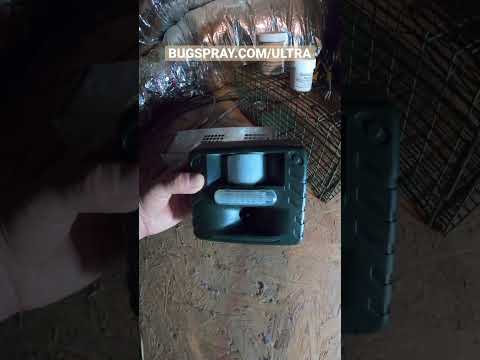
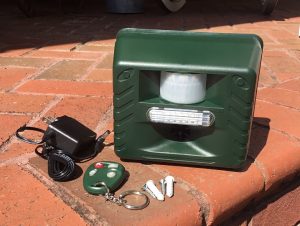
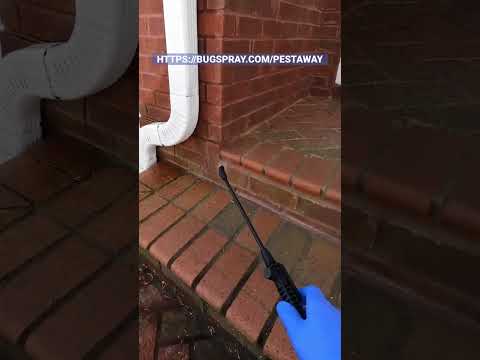
Next, be sure to inspect high up on the structure. Look along gutters, around vents, windows, decks, chimneys and any other place where different elevations meet. Make sure to cut back tree branches and shrubs from the home and remember that rodents can jump surprising big gaps. It is not unusual for them to jump over 5 feet to get onto a home they know will provide either good food or shelter. They can scale most deck poles, trellis's, brick, cedar siding and stucco. They will enter through attic gable vents and by using down spouts they will climb up to a roof and squeeze through the gap between the rain gutter and the facia boards. Be sure to use our Copper Wool in all these areas. If closing all the holes to your home seems like an impossible task, relax! Your not alone. Fortunately, there are other things you can do which will keep these pests out without having to do extensive closure. The second option is to repel unwanted rodents. A few years ago, a product was released called RODENT REPELLENT which is simply sprinkled around the building you are trying to protect from rodent invasion. It has a faint odor which people cannot detect but which rodents do not like. They will not cross over it and therefore it creates an invisible barrier once applied around the home. It can be used to draw a line from where rodents may be coming and by doing so keep them out of your yard. It is safe to use around pets and children and once applied poses no hazard to them or the environment. Applications will last 1-2 months, depending on local rainfall and sun. If you want to get the longest residual possible, apply it to the turf as labeled and then install some GRANULE GUARDS as well. These will protect the granules from rain and sun enabling them to last 2-3 months. The Guards should be installed every 10-15 feet or as needed around the home. After rodent activity has ceased, which may take a month or two depending on local populations, you should only need to refill the Guards without having to put out turf applications. It is important to treat the turf the first time however so be sure to get enough repellent if you intend on using Guards. The author was skeptical of the product when it first came out but field tested it and found the performance to be good. The only time it has failed is when it is spread to thin or not renewed regularly. It is also important to realize that it will not get rid of existing populations. It is designed for keeping new rodents out. Use the trapping methods described above for the ones you have and then apply this product which will keep new animals away. (Another finding which seems to be apparent is that the Repellent is somehow absorbing or masking rodent markings and scent trails. These trails, though invisible to the human eye, allow rodents to "smell" their way around. Established rodents have scent trails which will lead new rodents to vacant territories as you trap and remove current populations. The use of Rodent Repellent seems to decrease this from happening since new rodents are not nearly as likely to smell the old trails and therefore are not as likely to find their way inside - a tremendous benefit!) If the rodents you are trying to repel are simply "rogue" - which means you are not sure where they are coming from - the best way to use the Granules is to apply it around the area where you don't want any activity. For example, rodents love to climb up into the motor housing of automobiles. There are two main reasons for this. First, they like the heat which it provides during the winter months and second, they love to chew and gnaw on all the small tubes, hoses and wires which can be found on virtually any car or truck. This can become both a costly and aggravating problem. You could set out some of the poisons, using the Tamper Proof stations we have listed above, or you could choose to trap them out. However, one of the more practical options is to use a combination of two repellents. First, set out the Rodent Repellent using the Granule Guards under the vehicle. Make at least 4 placements for the average sized vehicle. These can be set out underneath the auto when parked and then removed when you need to drive. Secondly, you will need to treat exposed hoses, tubes and wires with a liquid repellent we carry called ROPEL. This product tastes terrible and will stop them from gnawing treated surfaces. You will need to apply some about twice a month on average during their active season. Spray it right on all surfaces you have found them gnawing and they will stop. Ropel simply tastes too bad for them to continue and when combined with the Granules, will cause them to go elsewhere. Another repellent material which can be used effectively to keep unwanted rodents away is called 4-The-Birds. As the name implies, this material was originally designed to be applied where you wanted to repel birds such as window ledges, roof tops and electric lines. It was soon discovered that the same applications were repelling rat and mice as well. If you know routes of entry, particularly a route which uses an object like a downspout, a fence or a tree, you can keep rats and mice off such objects by applying this material. It comes in two forms; 4-THE-BIRDS GEL and 4-THE-BIRDS LIQUID. The gel is good for small applications. It is applied with a standard calking gun and you will be able to treat 5-10 linear feet of surface area per tube. The Liquid can be sprayed or painted on and will cover a much larger area. You will be able to use the Gel if you know of one or two clear and distinct routes the rodents are currently using to access your structure. If you have a lot of area to cover and are not sure which are the prime pathways, use the Liquid. It can easily be applied in crawl spaces and attics as well to rafters, sill plate and floor joists and once applied will keep all rodent activity away. Use a PUMP SPRAYER if you intend on spraying it to hard to reach areas and be wary of runoff or over spray. Both forms act as a non-drying glue and will last 3-6 months outside; upward of a year or more inside. Another type of repellent to try is the use of ultrasonics. These devices have been out for several years and most make claims beyond their capabilities. The COMMERCIAL UNITS we sell were created for commercial food processing plants. They can work for many animals like rodents. There is no doubt that rodents cannot tolerate the sound emitted from these devices. I have not been able to observe similar results when they are used on insects. And most importantly, it is not likely that you will be able to "chase away" existing populations from your home. When ultra sound is used for existing infestations, the rodents simply relocate to sections of the home or building where the sound is not reaching. Since there is an unlimited amount of such areas, they will inevitably find a new nesting void away from the sounds annoying range. Therefore, you still must trap out the ones currently living there. Once no activity is noted for a period of two weeks, you can install our ultrasonic units or use the repellent granules to keep new ones out. Try to position one at one end of the area so it's sending a signal out over the area providing wide coverage. Since ultrasound cannot penetrate solid objects, you will lose any protection in areas which are not wide open. This means foundation walls, storage and basic insulation can all serve to prevent ultrasound from getting maximum coverage. Wide open attics and crawl spaces will provide the best results; cluttered areas will require extra units to insure no "dead spots" exist in which rodents will readily move. Most homes will get great protection by installing these where the activity was most noted. This is usually in the attic or crawl space. However, it could be in the garage or living area. Our Ultrasound Device will not hurt people or pets so it can be used in these areas if needed. It is important to realize that you will be best served installing them at the routes of entry first and then having extra units for back up if needed. Another type of sound that has been found to keep away mice and rats is the sound of predatory birds. Hawks and owls feed on rodents in the wild and both illicit an instinctive fear to rats and mice. This feeling is natural and though it is not likely to cause local infestations to disappear, one can use such sounds to keep foraging rodents away. The BIRD SOUNDING DEVICE can be used for this exact application. It has two settings. The first is for when you want to target a specific area. When set to "detect motion", the Sounding Device will monitor a small area, about 3,000-4,000 sq/ft, and when animals enter this area they cause the device to start sounding. It will play a series of bird sounds that will make any rodent very uncomfortable. For larger areas, set the device to automatic. In this mode it will sound off every 5-30 minutes, depending on your choice of setting, and does not use the motion detector. Though mostly used outside this device is very effective in attics and crawl spaces. The only limitation is that it won't work when dark. It has a photocell that deactivates the unit at night. If your application needs are for night time activity, place the unit alongside a lamp or spotlight so the unit it remains on. Since it has a variable sound setting, you can turn it low so it won't wake everyone but still be loud enough to chase off invading rodents. Rodents have been on the earth longer than mankind. In fact, the more we thrive, the more they prosper. We cannot hope to rid the world of these creatures; like most, they, too, have a place in nature. However, we can do many things around the home to help minimize their intrusions. Once inside, we have several options to first remove and then keep new ones from entering. Which ever method you choose to employ, remember that we as a species are much more advanced and intelligent than any rat. If you learn to observe and use a method of control which works with the rodent's current pattern of behavior you will get great results. Combining two or three of the options listed above along with the use of repellents should not only solve your problem but keep new ones away. In the end, you will be able to reclaim your home rodent free! To see the products listed in the article above, simply click on the product where it appears either underlined or in another color. This will link you to our product catalog where you will be able to see the product, learn more about it and it's pricing. Our toll free ordering line is 1-800-877-7290. E-Mail the "BUGMASTER" at support@bugspray.com CLICK HERE TO GO TO OUR RODENT PRODUCT CATALOG CLICK HERE TO SEE WHAT CUSTOMERS HAVE TO SAY ABOUT OUR PRODUCTS CLICK HERE TO SEE OUR "LIVE TRAP CATALOG" CLICK HERE TO GO TO OUR PEST INDEX PAGE CLICK HERE TO GO TO OUR MAIN PAGE All articles owned and copy righted by U-Spray, Inc. 4653 Highway 78 Lilburn, Georgia 30047 Phone: (770)985-9388 Fax: (770)985-9319 Toll Free: 1-800-877-7290 url: http://www.bugspray.com/article/rats.html