Sand flies are a small blood sucking gnat which are prevalent along coastal territories and regions with a lot of water, dampness and marshland. Also known as Punkies, Black Gnats and No Seeums, these annoying tiny flies are very persistent and prolific. This article will highlight some basic biology about sand flies and then offer treatment options so you can help to minimize the discomfort and unpleasantness experienced when sand flies are active in your yard.
Related articles: BITING FLIES DEER FLY FLEAS GNATS HORSE FLIES MIDGES MOSQUITOES THRIPS
SAND FLY BIOLOGY
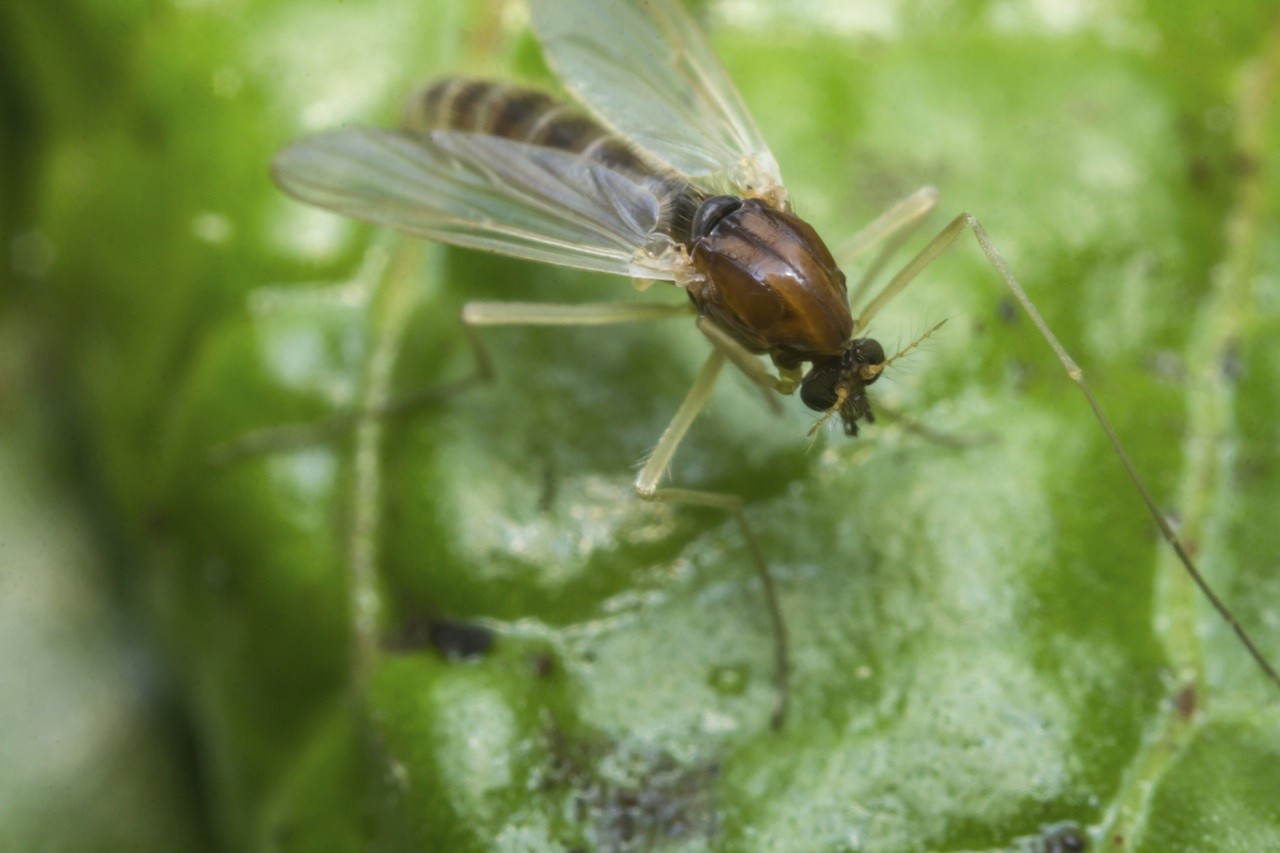
Sand flies are small – usually less than 1/8 inch long – but pack a lot of bite for their size. Only females bite but since she needs several blood meals before she lays eggs, they seem to linger longer than other flying pests like mosquitoes when they feed.
There are many species of sand fly which are found primarily along coastal water ways where marshland and swamps provide the damp, wet environment in which they like to live. However, activity has been found throughout the mainland and tends to be quite strong during the summer and fall. It is believed that populations have migrated to previously uninfested regions via plants, dirt and pots.
Since sand flies can breed successfully in something as little as the soil of a small house plant in a pot, it has been concluded that they have easily been introduced to virtually any part of the United States. There are simply too many ways for them to find these remote areas and though certain conditions need to exist outside for them to live successfully, it is not uncommon for whole populations to find reproductive sites in the home. For this reason sand flies present a unique dilemma making them hard to control.
Sand flies will hatch in the spring emerging as both larva and adults. Adults will immediately look for a good blood meal; larva will spend their time in the wet damp soil growing through several stages. This growth could take as little as a month or more then six months depending on both region and species.
Females need blood to start her egg laying and she will seek this food from birds, amphibians, reptiles, mammals and just about anything which is moving. Closely related to moth or drain flies, sand flies have a fairly delicate body type. They are easy to kill, not particularly strong and they’re susceptible to many predators. However, what the sand fly lacks in physical presence it more then makes up for in sheer numbers.
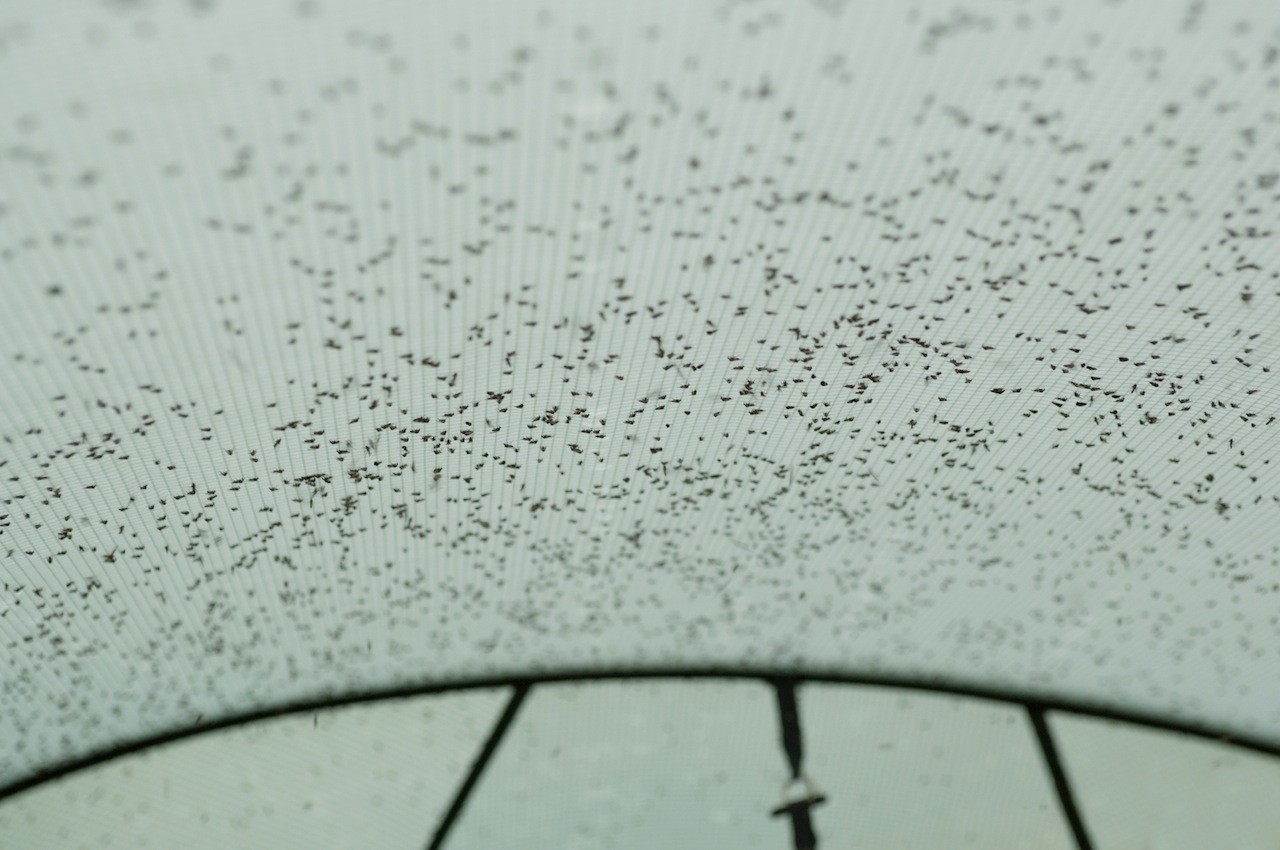
Sand flies are persistent and annoying. Their bite will cause all types of reactions which range from small swollen bumps to rashes. They are vectors of several diseases including Carrions Disease and Leishmania. For this reason sand flies are feared and rightfully so. Though the likelihood of getting a disease from them is small, the discomfort and pain their bite generates is more then any reasonable person likes to withstand. This is why sand flies are feared more then most any flying biting pest where they are present.
Sand flies are also referred to as no-seeums, punkies, sand flies, biting midges and more. The no-seeum name has been acquired over time because of all the biting stinging pests, sand flies are amongst the smallest. However, they are commonly misidentified and many times blamed for bites or stings when nothing else has been found.
Here is a short list of such pests which could be biting or stinging.
Flying pests have a much larger range and can attack from greater distances much quicker. With sand flies, it is not uncommon to be attacked as soon as you go outside. This is especially true from mid afternoon until dark.
Her is a short list of flying pests that could behave the same way.
Of all the other pests you might have besides no-seeums, thrips might be the most aggravating and common which are found biting people. Unlike most biting insects, thrips are not interested in blood. For this reason they are not targeting people due to CO2 or Octenol, two common gases people exhale which biting flies, mosquitoes and sand flies find attractive. Instead, thrips are attracted to wet, moist and damp surfaces like that of a sweating person. They thrive in mulch, flower beds and other damp areas where Sand flies can live as well. However, the treatments for either pest will vary. For this reason it is important that you know just which one you have. Only this knowledge will enable you to make the right decisions regarding which line of products to use and where to apply them
The next section of this article will detail products and treatments that can be used when combating sand flies. First, we will review repellents that can be used on people and premises; next we will detail treatment options which can be done to turf and adjoining property where activity is present.
SAND FLY REPELLENT FOR THE YARD
Since sand flies are attracted to people for much the same reasons that mosquitoes are attracted to people, there are several repellents which can be used to help keep them away from people and property. Some can be applied to the turf, others are applied to people. The following is a compilation of products which have proven to help repel sand flies on and around the yard.
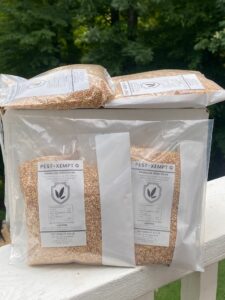
If you are planning a party or some outdoor activity, the use of PEST XEMPT GRANULES is a good way to set up a barrier around your property to keep them out. It works by releasing an odor small flying pests do not like. Made with all natural plant based actives, Xempt G is generally used along property borders to keep out unwanted insects and animals like SNAKES.
Xempt G is packed 4 bags to a box; each baggie is .5 lbs and will cover up to 100 sq/ft.


SAND FLY CANDLES FOR DECKS AND PATIOS
Designed to help protect small areas like decks and patios before sand flies are active, sand fly candles will help keep biting pests like sand flies, mosquitoes and gnats away. Using a range of actives, these candles will effectively “block” you from biting pests like no-seeums so they can’t see you. The burning process will release a nice odor to people which is citrus smelling. In the process the smoke will permeate the area making biting pests like mosquitoes and no-seeums not able to locate targets. The FREE STANDING CANDLES come in both 6″ and 8″ lengths. Excellent for decks and patios, these candles can be brought on camping trips and picnics too.
Candle repellents will not solve existing problems so only use them in conjunction with our treatments for active problems after you treat!
The 6″ candle will burn 40-50 hours; the 8″ will burn 50-60 hours.
SAND FLY REPELLENT FOR PEOPLE
Another effective repellent are BUG BANDS. Ideally suited for children, these bands are light, barely noticeable and will confuse biting flies and mosquitoes so they are not able to find you when out in the yard. Though one will work well on either wrist, consider keeping one on an ankle if you’re wearing shorts.
These come in green, pink and “glow in the dark”. Keep them sealed up in a plastic zip lock bag when not in use; expect to get at least 40 hours of effective repellency once taken afield.

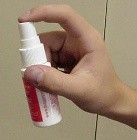
For exposed skin, nothing works better than 100% DEET. This is as strong as it gets; Deet has been proven to effectively repel all kinds of insects and it lasts a long time. Typically one application in the morning will last all day unless you’re sweating a lot or go swimming.
This 2 oz jar is easy to use and long lasting.
 
HOW TO TREAT SAND FLY BITES
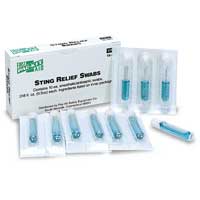
If you suffer from extreme reactions to sand flies bites, apply STING RELIEF SWABS to the affected area. The soothing gel offers immediate relief from the itch and reduces swelling. Each “tube” contains enough material to treat several bites and they’re all self contained making them ideally suited for bringing afield.
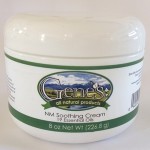
For bites a day or two old, apply GENES SOOTHING CREAM to the damaged skin for faster heal times. Use daily, Genes cream will take away all the discomfort and promote healthy skin again.
BEST SAND FLY LIQUID YARD SPRAY FOR SMALL YARDS
In general, its best to fog or mist when trying to control sand flies. But if your yard is 5,000 sq/ft or less, you can get decent control using a liquid.
Since sand flies like to live where it is moist, damp and shady, there are many locations on anyone’s property which can serve as both a nesting and breeding ground for this pest. Unlike mosquitoes, sand flies don’t need standing water to reproduce. All they need is moisture. And though you may be subject to getting new ones from surrounding areas like marshes, swamps and shorelines of rivers and oceans, keeping their populations down on your land will really help keep them from being an nuisance when you go outside because their range is actually quite small.
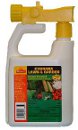
The good news is that they’re easy to kill and they don’t like to fly far to find food. But you should try to create as large of a “sand fly free” zone as possible around the home by thoroughly spraying with CYONARA RTS. This odorless concentrate hooks to your garden hose and can treat up to 20,000 sq/ft. Since sand flies will be hatching daily, expect to treat twice a week for the first two weeks until you get control of the problem around the home. Once under control, treating every 7-10 days will usually keep them from returning.
BEST SPRAY FOR BIG YARDS
For more economy, get MAXXTHOR EC. This concentrate works like the Cyonara but one quart will cover up to 4 acres making it more economical to use (the Pint can cover up to 2 acres!)
The following short video (less than 60 seconds long) shows how to set up our Hose End Sprayer to make an application using Maxxthor.
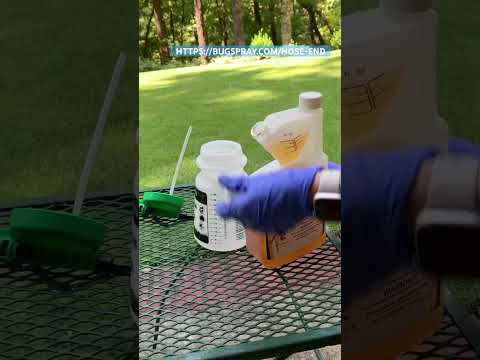
Use 1 oz in 5 gallons of water for every 5,000 sq/ft and like the Cyonara, expect to treat twice a week for the first couple of weeks until the problem is under control. After that, treating once every 7-10 days will usually keep things maintained.
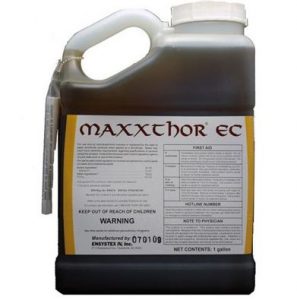
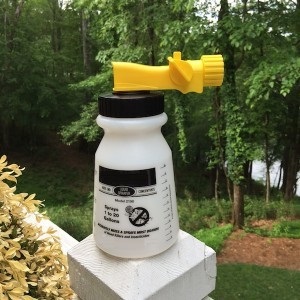
Use a good HOSE END SPRAYER to make the application. For this one, you’ll need 1 oz of the Maxxthor EC in the sprayer and then you’ll need to fill it with water up to the 5 gallon line. Next, hook it to your hose and use all the material inside to treat up to 5,000 sq/ft of turf, plants, etc.
ORGANIC SAND FLY LIQUID SPRAY FOR THE YARD
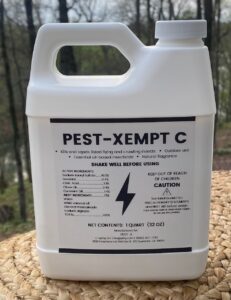
A more cost effective option is the concentrated XEMPT C. It uses essential plant oils that are both safe for use in the yard where pets are active but more importantly, it’s even labeled for use over water so it won’t hurt aquatic life. Plan on using it every 7-14 days to keep them under control without presenting a hazard to people, animals or aquatic life.
When fogging with water, plan on mixing 4-6 oz per gallon. Cold mistingi machines will get 1/4 to 1/2 acre of coverage per mixed gallon.


SAND FLY TREATMENT FOR INSIDE A STRUCTURE
For sand flies in a building, you have two treatments which work well.
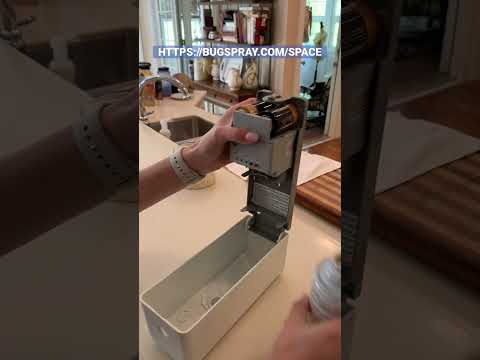
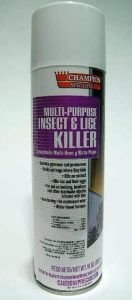
The “manual” option is MULTIPURPOSE INSECT KILLER. This product uses synthetic pyrethrin as the active ingredient and will kill sand flies quickly. Spray it for 5-10 seconds in any room with activity and you’ll see immediate relief. It is easy to use and treatments will provide several hours of control. Its also labeled for dogs so be sure to treat them – especially if they spend a lot of time outside.
The following short video (less than 60 seconds long) gives a quick summary and explanation of how to use the Multipurpose Insect Killer or our Aerosol Machines (seen below) which offer a more permanent fix.
But since sand flies will be hatching daily and since there is no way to kill developing stages, you will probably need to use it many times a day. But it’s safe enough for use to as often as is necessary.
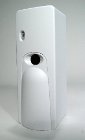
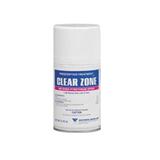
For a more “permanent” way to control the problem inside, install AEROSOL MACHINES with CLEAR ZONE refills. These machines go off every 15 minutes by default and will be releasing a small 1 second blast of the same pyrethrin found in the Multipurpose. These machines will do the work for you so you don’t have to worry about missing a treatment.
Use one machine for every 400 sq/ft of area and set them on a shelf at least 5-6 feet up. They can also be mounted on the wall.
Each machine will require one can of Clear Zone which will last 30 days when run continuously.
BEST SAND FLY TRAP FOR INSIDE THE HOUSE
For inside the home, our SPARROW HAWK FLY TRAP саn bе dерlоуеd іn аnу rооm whеrе sand flies аrе ѕееn. It’ѕ amazingly well adapted for catching flying insects like mosquites, sand flies, drain flies and more.
The following video summarizes how it works, how to set it up, etc.
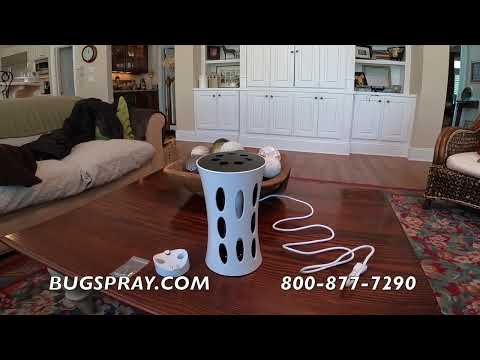
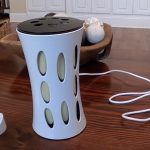
It has a large glue board that catches them once they enter the holes on the outside band. Keep one installed in kitchens bathrooms or bedrooms where pests have been seen.
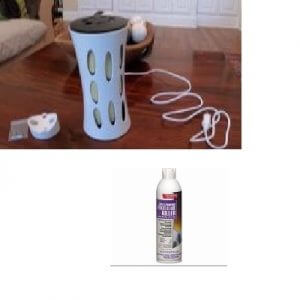
For a limited time, you can get the Sparrow Hawk in a kit with either the Multi Purpose Insect Spray or our Aerosol Dispenser and a can of Clear Zone.
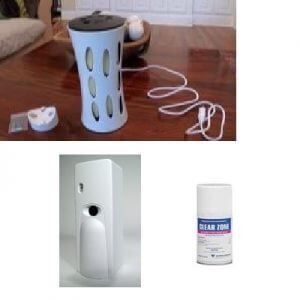
Here is the kit that features the Sparrow Hawk with our Aerosol Dispenser and a can of Clear Zone.
FOGGING MIST BLOWERS FOR SAND FLY CONTROL
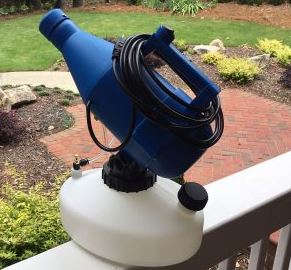
For 1/2 acre or less, our BUGSPRAY FOGGER, is ideally suited. This machines are able to pump a lot of chemical over a large area in a short amount of time.
Our Bugspray Fogger is super powerful, able to pump material at a rate from 2-25 oz per minute and its fully adjustable so you can control it as needed.
This video gives you the summary of how it works:

This unit makes a great mist for yard pests including both flying and crawling insects.
When pumping BITHOR, you can use it for any pest control need meaning Bithor will control pretty much everything around the home as well as inside the home.
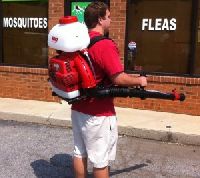
For some users, being able to “cut the cord” is important. So if you’d like a completely portable unit, get the BACKPACK MIST BLOWER. This device has a 3.5 gallon tank and is powered be gas. Perfect for 1 acre or more, this unit can blow a mist 50+ feet and plenty powerful to handle most any job. Simply fill up the tank, make sure you have enough gas and you can go wherever the sand flies may be hiding! Great for property where being free from electric cords is necessary or if you have a lot of areas to treat on a regular basis but need to move from one point to another as you treat.

THERMAL FOGGERS FOR SAND FLY CONTROL
For even less chemical consumption and more efficient treatments, consider one of the following thermal foggers. These devices use DEODORIZED OIL instead of water in their tank mix but the ultra small particle sizes they project will stay suspended longer than water based sprays and work best when you need to cover several acres.
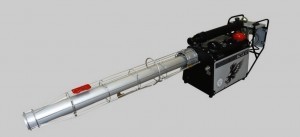
For 3-10 acre lots, the SUPER HAWK will do the job. It features electric start, a 1.2 gallon tank and weighs just 16.5 lbs.
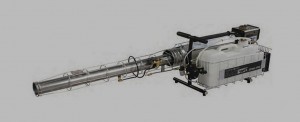
For over 10 acres, the BLACKHAWK TRUCK MOUNTED thermal fogger is well suited. It can be powered on by batteries or even wired into the truck’s battery for convenient remote on/off control. It can hold 3 gallons of mixed chemical and weighs in at 73 lbs.
BEST SAND FLY CHEMICALS FOR FOGGING
Once you decide on which fogger will fits your need, you’ll need chemical. We have found one product that works best and by itself, can control any population. It combines a fast acting adulticide for a quick kill but the second component lasts for ongoing control of hatching larvae. But like all sand fly problems, you must attack aggressively when you first start treating to get control of the current population. Once this happens, regular maintenance will be easy.
The great thing about Bithor is that its safe enough to be sprayed pretty much everywhere including inside the home. Outside the home it can be applied to foundations for general pest control but it works great for fogging too.
The following short video explains why Bithor is so safe and effective:
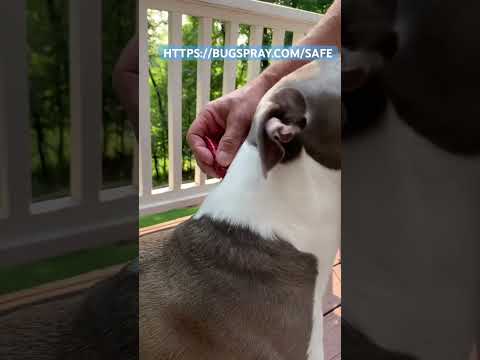
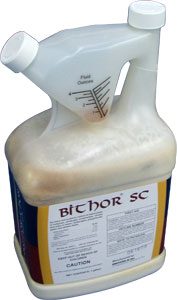
So to start, plan on spraying 1-2 a week with BITHOR. Use 1 oz per gallon of water and when using one of our misting machines, expect to use 1 gallon of mixed solution for every 1/4 acre. Bithor can be added to water or oil making it well suited for both cold misting machines and hot thermal foggers.
Ideally, adding NYLAR. to your the mix will help long term since it can provide 60-90 days of residual. You won’t notice the impact of Nylar when you first start using it but after the first month, Nylar can help by minimizing the number of treatments you’ll need to maintain your property. Using Bithor alone, you should expect to be misting 2-3 times a month (once the problem is under control). Adding Nylar to the tank mix will grant you longer protection and reduce the spraying to just once a month (once the problem is gone).
Add 1 oz of Nylar IGR to the same tank mix as the Bithor and use it over the same 1,000 sq/ft per gallon when spraying.
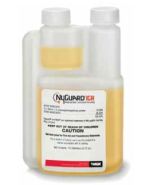
The 10% NYGUARD will readily mix with Bithor you’ll need to add 1/2 oz per gallon of mixed solution at the same time you add the Bithor to your tank mix.
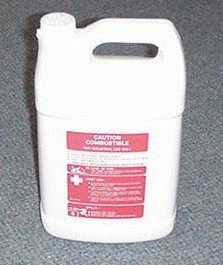
In general, most people will be using a misting machine with water. But if you have a thermal fogger that requires a high grade oil, our DEODORIZED OIL. is well suited for the job. Odorless and highly refined, its the “cleanest” oil deodorized available making it well suited for fogging sensitive terrain where you don’t want to contaminate plants or vegetation with heavy oil based carriers like mineral oil or the worse base, diesel fuel.
HOW TO TREAT OVER LAKES, PONDS AND RIVERS
For sensitive areas around water ways, XEMPT C is a federally exempt concentrate made from essential plant oils that’s both safe and effective for a range of pests including sand flies. This mixture will work nearly as well as Bithor and though it doesn’t contain an egg killing agent, using it every 7-14 days will get the job done without presenting a hazard to people, animals or aquatic life.
For sand flies, plan on treating more frequently until you get your “zone” pest free. For some properties, this could mean fogging 2-3 times a week for the first 2 weeks. But in most cases, after you break the established life cycle on the property, you’ll only have to fog every 10-14 days to maintain the property and keep them under control.
Mix 4-8 oz per gallon of water or gallon of oil for use in cold misting machines like our BUGSPRAY FOGGER.
In summary, sand flies can be a tough pest once active around your yard. To help keep them off people who are active outside, use any of the repellents we have featured above. If you want to control local populations which are breeding on or near where you are living, use some Bithor. Fogging with any of the machines we feature is better suited for large areas since it will get coverage faster and more thoroughly. Remember to treat throughout the active season and you should be able to keep this persistent and problematic pest under control.
CONTACT US
Give us a call if you need further help. Our toll free is 1-800-877-7290 and we’re open Monday through Thursday, 9:00 AM to 4:00 PM.
Email questions here: https://bugspray.com/about-us/contact-us
Order online and get a 5% discount! We ship fast with 99.9% of all orders shipping within 1 business day!!
Learn more about BUGSPRAY.COM and why it’s never been easier or safer to do your own pest control.
Please show your support for our business by purchasing the items we recommend from the links provided. Remember, this is the only way we can stay around to answer your questions and keep this valuable web site up and running. Thanks for your business!
Leave a Reply