This article will detail whitefly growth cycle, explain why they are such a hard pest to control and then list treatment options which work.
Related articles: APHIDS APPLE MAGGOTS BAGWORMS BUDWORMS THRIPS TWIG GIRDLERS
WHAT ARE WHITEFLIES?
White flies are small winged insects which look more like moths than flies. They have a powdery wax on their body and wings which both protects them and is key to identification. They are active in all parts of the world and can thrive year round in the south but go dormant during the winter further north. Though whiteflies can be a tough and persistent pest, the right combination of chemicals combined with the right timing of treatment can solve any infestation.
WHITE FLY SPECIES
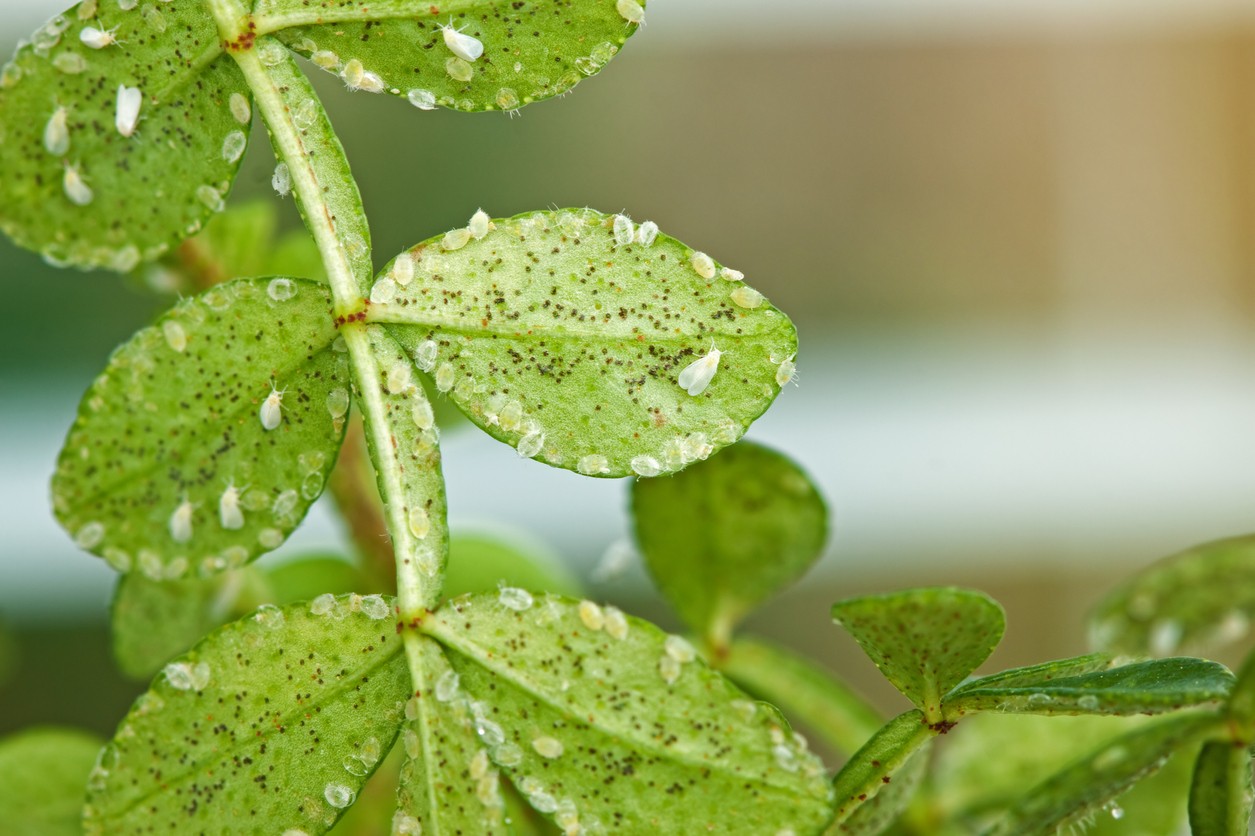
White flies have two main species which are active in the United States. The Citrus and the Greenhouse are the most common found but others exist. Citrus whiteflies are found on just about any plant – not just fruit. Citrus whiteflies are hardy and most likely to be active year round. This especially true in the south.
Greenhouse whiteflies are easier to control and will go dormant as winter sets in around the country. Greenhouse whiteflies are more prevalent in greenhouses though plants which move to homes and gardens carrying active populations will surely enable them to get established.
WHITE FLY LIFE CYCLE
Both species develop from eggs and grow through a series of instars. The last instar is the pupa stage during which young change to adults.
Adult whiteflies will lay eggs in less than a week once emerged. Eggs are very small; almost invisible. Eggs will be laid on the underside of leaves, in hard to see locations, in generally well protected parts of the plant.
Once the young emerge, they will immediately begin to feed. Young are round and almost “clear” so they are easy to miss. Though their development can occur in less than a month, a much longer development time frame is not uncommon. Cycles can take as long as a year if conditions are not so favorable. However, regardless of how long it takes them to develop in your yard, damage will certainly happen to any host plant where they reside.
PLANT DAMAGE WHITE FLIES WILL DO
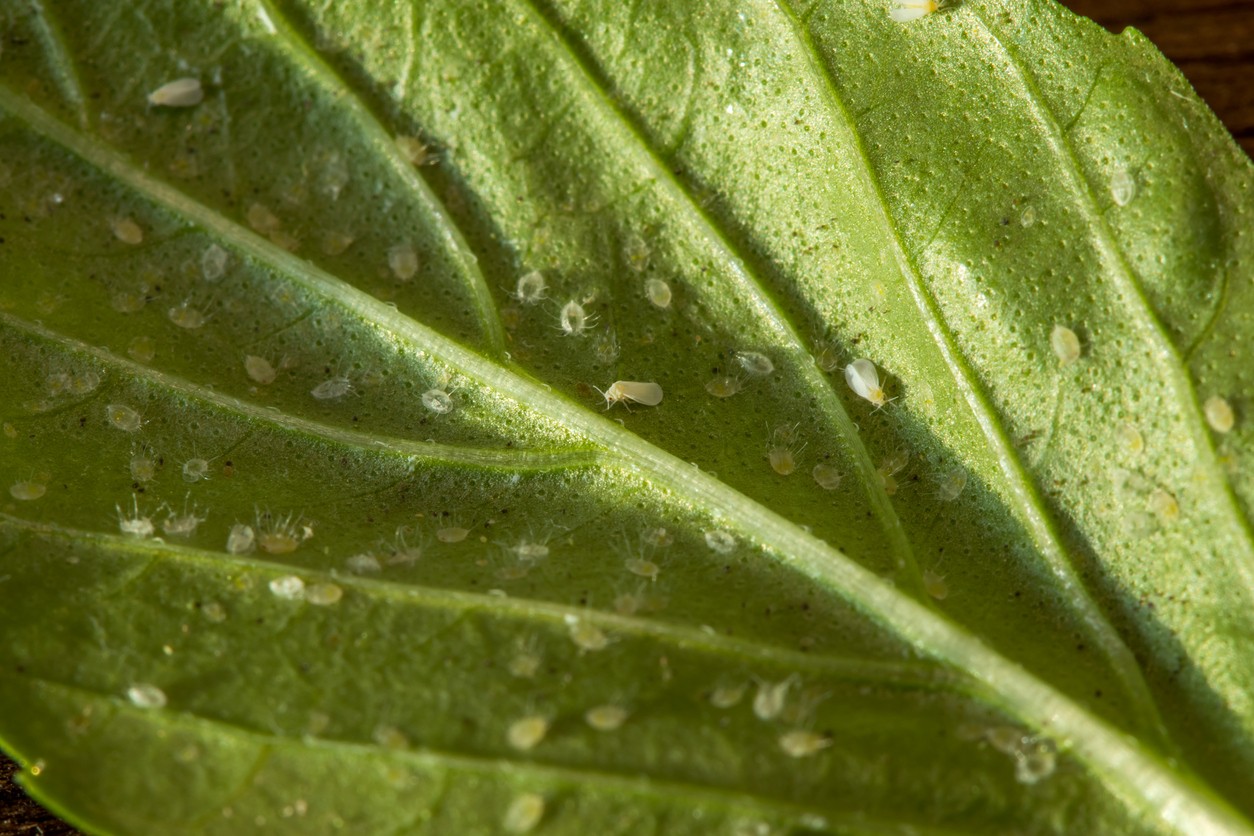
White flies are a problem because they have piercing mouth parts which allow them to suck plant sap. This behavior is what will lead to a range of problems for host plants prone to attack. The short list of related issues from feeding whiteflies includes:
- Leaf damage. Feeding whiteflies will cause leaves to turn up and brown, disabling them to perform their responsibilities. Damaged leaves look bad and promote decay fungus and bacteria to form.
- Sap drainage. White flies have an insatiable hunger for plant sap and will suck as much of it as they can from the host plant. Young host plants will not be able to meet these demands and don’t stand much of a chance to survive; adult plants which loose vital sap are more prone to disease, heat stress and less likely to rebound from any environmental shock.
- White flies excrete honeydew which lures other nuisance insects onto the host plant. These secondary insects will feed off the honeydew and effectively farm it for it’s nutritional value but invariably they will become established on the property or in nearby structures. This secondary insect infestation is usually some type of ant, wasp or beetle. Regardless, feeding whiteflies allow such populations to thrive. Furthermore, the honeydew goes bad and grows a mold known as Black Sooty. This mold damages host plants preventing them from processing food properly further contributing to the host plants demise.
- White flies are unsightly when they populate any plant and if prized landscaping gets infested it really looks bad. Active whiteflies will buzz around host plants throughout the day and are very noticeable. They are annoying when active on fruit or flower producing stock and can easily be brought into the home with anything harvested off infested plants.
- Lastly, whiteflies are extremely prolific. Once they get established on any plant around the home or garden they will readily migrate and look to infest any other nearby vegetation. White flies don’t discriminate; they will move onto any plant that has healthy and abundant sap. It is not uncommon to have local populations thrive on some field of weeds only to start migrating into someone’s prized roses.
HOW TO CONTROL WHITE FLIES
To control an active problem or prevent whiteflies from getting established in your yard or garden, we have a range of liquid concentrates. This range of options include products for the organic gardener as well as the traditional tomato grower. We even have systemics for fruits and vegetables as well as any type of shrub or tree. Systemics offer long term protection and only need be applied 1-2 a year.
INSTALL WHITE FLY TRAPS
WHITE FLY TRAPS can first identify a white fly problem before it gets bad. Finding just a few whiteflies means more will soon be active so take this as a warning and treat.
Our traps are bright yellow which whiteflies will see easily and be drawn to them. Traps can help slow a problem by catching foraging reproductives. Traps can also be your first line of defense serving as an alarm. Once a trap catches a white fly, you’ll know its time to treat.
Effective on on garden pests like APHIDS too, set them out every 1000 sq/ft or every 10 feet along a garden row.
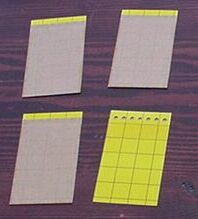


If you already have whiteflies active in your garden or house plants, using traps alone probably won’t solve the problem so consider one of the treatment options below.
ORGANIC WHITEFLY SPRAY
For the organic gardener, we have two concentrates safe enough for fruits and vegetables yet strong enough to control even stubborn whiteflies.
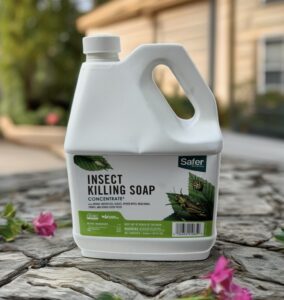
The “best” is the MULTI PURPOSE INSECT KILLING SOAP. This product works immediately will be mixed with water to be sprayed as needed.
Multipurpose Killing Soap will provide a fast knockdown of all garden pests including whiteflies. Expect to see dead bugs a few minutes after being sprayed. But since nothing can kill the developing eggs and instars, plan on spraying once a week for at least 2 weeks (3 treatments total) to get rid of them food good.
Add 2.5 oz per gallon of water and plan on getting 500-750 sq/ft of plant foliage treated per mixed gallon. Multipurpose Insect Killer has a “one day to harvest” which means its safe enough to use right up to the day before you harvest your fruits or vegetables. It comes in both quarts and gallons.
GARDEN SAFE WHITE FLY SPRAY
If you want a more “traditional” (aka: stronger) product for your garden, go with VEG PLUS PERMETHRIN. This active can be safely used on plants yielding fruits and vegetables although the “days to harvest” will be 7-14 days compared to organic products which are gone in day. This is true since these products provide residual.
Veg Plus Permethrin is odorless, labeled for use on garden plants and will work when applied. White flies will immediately die of being sprayed and treatments can last up to 2 weeks. But if you notice the whiteflies returning before two weeks, spray again.
Mix 1/2 oz per gallon of water and plan on getting 500-750 sq/ft of coverage per mixed gallon.
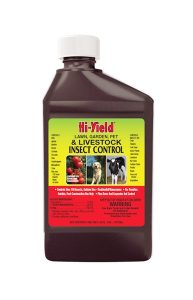
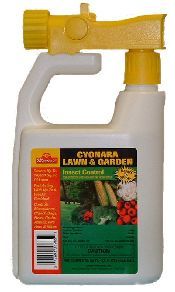
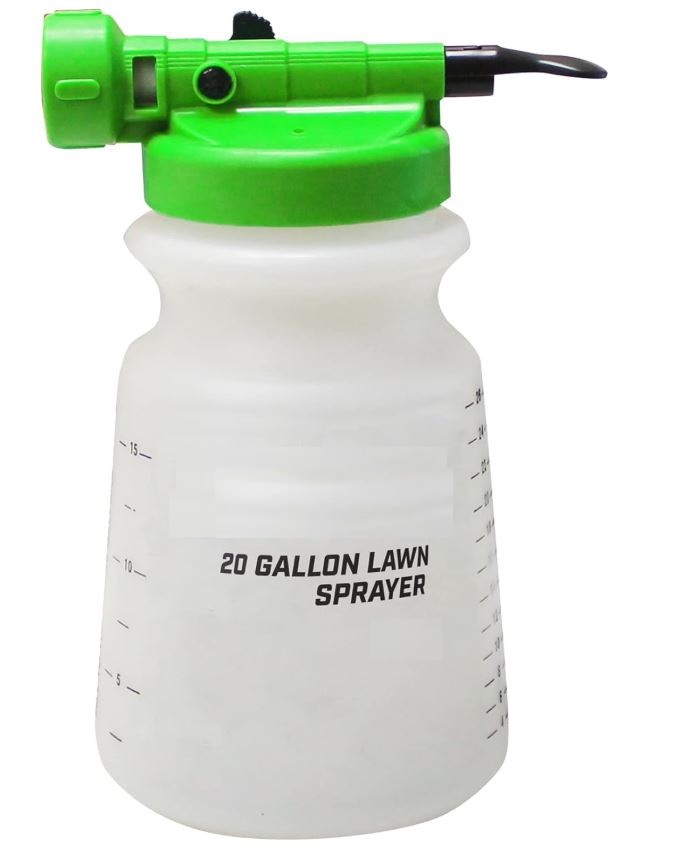
If you have a large garden to treat, CYONARA RTS might be more efficient to use. It too is a concentrate but it comes in a handy “ready to spray” jug. This jug hooks to your garden hose and using the power of your water pressure, will automatically mix the concentrate with water creating a total of 20 gallons of mixed material.
Each jug can cover up to 16,000 sq/ft and treatments will last up to 2 weeks. Expect a fast kill but if whiteflies come back in less than 2 weeks, spray again.
WHITE FLY SYSTEMICS
The longest lasting treatment for whiteflies are products know as systemics. When fed to the plant as a soil drench, these actives will be absorbed by the roots of the plant and effectively become part of the foliage. This process will take 2-6 weeks to occur but once the active makes it’s way to the foliage, any insect trying to eat the plant will die.
LAWN TREE AND SHRUB SYSTEMICS
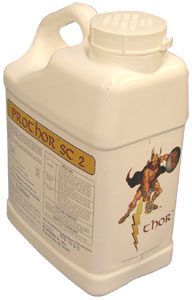
So if you have whiteflies in the lawn or trees and want season long control, use PROTHOR.
Prothor can last up to a whole year so in general, if you spray in the spring, you shouldn’t get insects on the treated tree for the year. Prothor is a great “one spray” protection for most any plant in the yard for a range of insects including whiteflies.
Now if you treat mid or late season, Prothor will take care of the current activity but it could take several weeks to reach the foliage. So to get the active insects immediately, mix some up for spraying affected areas.
For mixing up a spray-able solution for surface treatments, add .5 oz of Prothor per gallon of water and use the mixture over 1,000 sq/ft of surface area.
For systemic treatments, add .1 oz per inch of tree or hedge trunk thickness. So if you have a holly with 3 main trunks coming up from the base and each trunk is about 3″ wide, add 1 oz of Prothor in a 5 gallon plastic pail with 3-4 gallons water. Next, make 5-8 holes in the ground within 1-2 feet of the hedge. Use a piece of rebar or a pick axe to make the holes. Next, pour out the mixture of Prothor into the holes being sure to pour it slow enough so the material doesn’t run away from the plant. If done properly, the treatment will remain in the ground around the shrub where it will be absorbed in the coming weeks following the application.
SPRAY EQUIPMENT NEEDED
When spraying plant foliage, you’ll need a sprayer. We have several options all of which have advantages and disadvantages.
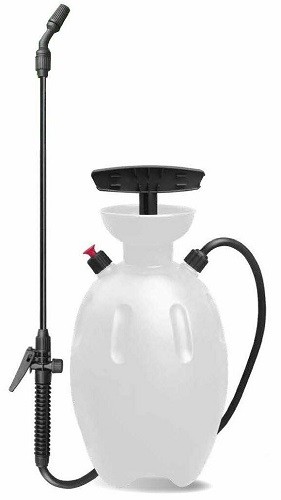
For small jobs, our standard PUMP SPRAYER is adequate. It requires pressure so you have to manually pump it but once pressurized, expect to reach 15 feet out or up.
A good HOSE END SPRAYER can also be used. The advantage of using this design is that it will use the power of your garden hose which means it can sometimes spray 25 feet or more. Also, you only have to add small amounts of chemical to the tank when using it to spray any of the concentrates above. If you decide to get one and a concentrate above, email us for specific directions on how to prepare the sprayer before hooking it to your hose to treat.
Lastly, the SKY-HY SPRAYER is a totally portable option that can spray up over 30 feet and with the included hose, you can safely climb a ladder for even more reach while leaving the tank on the ground.
BUGSPRAY SKY-HY NO PUMP 1.75 – 3G – 5G HIGH AIR PRESSURE SPRAYER 40 FOOT REACH
GREENHOUSE FOGGERS and FOGGING MACHINES
If you have a greenhouse or small confined area with white fly activity, you might consider a misting machines.
If you’d like a “set it and forget it” treatment option, set up our AEROSOL 1000 Machine. Because the machine is going off all the time, you don’t have to worry about a new population getting established. After 1-2 weeks of keeping the machine on, the active problem should be cured.
The AERO 1000 is a fixed machine meaning it will only go off every 30, 15 or 8 minutes.
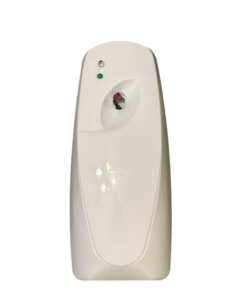
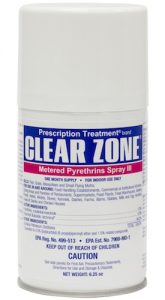
Each machine will need a charged can of CLEAR ZONE INSECTICIDE. The can will last up to 30 days when set to release product every 15 minutes and will control a range of flying pests like whiteflies.
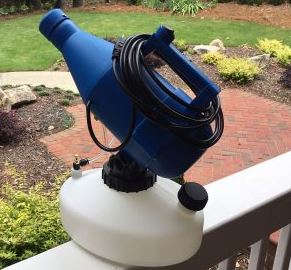
WHITE FLY FOGGING MACHINE
For large greenhouses, a good FOGGING MACHINE can cut costs and do a great job controlling whiteflies. These devices convert water to a “fog” so you can effectively blanket all the foliage of your plants without having to worry about whiteflies hiding.
This machine features a 1.2 gallon tank and can pump over 10 oz per minute. For covering 10,000 sq/ft or less, its plenty powerful. Just plug it in and direct the mist over the plants you want to protect. Its well suited for the yard too where it can be used to control a range of pests like mosquitoes and gnats.
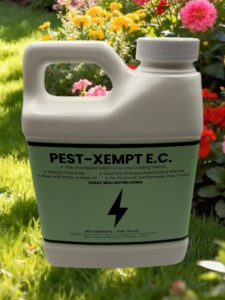
There are several chemicals you can use in the fogging machine but XEMPT EC is one that kills white flies quickly and will repel them as well. Made with plant oils, Xempt EC can be used on any plant safely when applied in the evening, a couple of hours before dark. With pests like whiteflies, treatments may be needed more than once a week to knock out down the active population.
Add 2 oz of Xempt EC to the tank and plan on using the 1/2 gallon mixed solution for every 5,000 sq/ft. Xempt EC will control any pest active in the treated area and since treatments will be easy to do with the fogger, there is not much prep work required. Just let the treatments settle for at least 1 hour after fogging before entering the treated zone.
THINK LONG TERM FOR ONGOING WHITE FLY PREVENTION
Once you get your white fly problem under control, plan on being ready to treat again.
- If you are in a region with a lot of local white fly problems, don’t think your plants will be overlooked or “missed” by migrating flies. Inspect for white fly activity throughout the growing season and use traps to help spot colonizing adults.
- Start treatments as soon as you identify activity and don’t rely on one or two treatments to solve an active problem. Once you think you have it solved be sure to check for new flies every week or two.
- For any stubborn infestations, treat more frequently for the first two weeks. This will ensure you break their cycle.
- Remember that removing infested plants will generally only do just that; remove a plant which had white fly activity but it will not get rid of the problem. White flies are here to stay!
- All your other plants are just as likely to one day soon develop a problem if you don’t protect them with a little bit of preventive maintenance.
White flies can be a persistent pest which seems to always be around and never go away. Use traps to monitor local activity and once you’re sure you have activity, begin a management program using our products listed above. Remember, treating early is always best as it will save time, money and effort. Once you have the outbreak under control, be sure to watch for their return and be particularly careful the following year since this is when most growers seem to forget the previous years happenstance.
CONTACT US
Give us a call if you need further help. Our toll free is 1-800-877-7290 and we’re open Monday through Thursday, 9:00 AM to 4:00 PM (Eastern Standard Time).
Email questions here: https://bugspray.com/about-us/contact-us
Order online and get a 5% discount! We ship fast with 99.9% of all orders shipping within 1 business day!!
Learn more about BUGSPRAY.COM and why it’s never been easier or safer to do your own pest control.
Please show your support for our business by purchasing the items we recommend from the links provided. Remember, this is the only way we can stay around to answer your questions and keep this valuable web site up and running. Thanks for your business!
Janet Schneider says
I live in the Northeast. We have just had 11 days with temps below freezing. Will this kill off last year’s whiteflies? How do they overwinter?
Will they inhabit my compost pile and should it be treated???
Tech Support says
Janet,
Although cold can kill insects, in general it won’t kill all stages meaning that eggs and pupae will generally survive from year to year. In fact this is very much by design and why insects exist much further north where it gets extremely cold. In some regions, insects may only enjoy a few weeks of activity from year to year. But Mother Nature has designed them to endure and survive depending on the species. And when it comes to whiteflies, they will no doubt go dormant in the northeast during most any winter. But rest assured they’ll emerge come March and start their typical lifestyle all over again this spring.
As for your compost pile; if it had whiteflies last year (or any other insect for that matter), I’m sure there will be new activity this spring. So if you would like to keep your compost clean and pest free, treating it every couple of weeks with the Mulit Purpose Insect Killer listed above should do the job.
Certified for organic gardening, this product can be sprayed on fruits and vegetables one day to harvest so its very safe. Yet its strong enough to control a wide range of pests including white flies. Add 6.4 oz per gallon of water and spray the compost as needed. A mixed tank can keep for a week so if you only need to spray a quart or 1/2 gallon at one time, only mix that much up so you don’t get into the habit of leaving product in the sprayer.
Multipurpose Insect Killer will kill off hatching whiteflies left from last year and in doing so, slow any progress they can make in your compost. Treatments will also keep away other insects yet it will have no impact on worms or other beneficial microorganisms.
Organic Insect Killer: http://bugspray.com/organic/liquid/multi-purpose-insect-killer-24-oz
Technical Support
U-Spray Bugspray
http://www.bugspray.com
1-800-877-7290
PS: Are you signed up for our informative twice a month Pest Report Newsletter? More info here: https://bugspray.com/bugspray-pest-report
Christine Crighton says
We grow Salanova lettuce, microgreens and oriental greens in about 18,000 sq. ft. of greenhouse space. These foods are sold to Pittsburgh PA restaurants. PLEASE tell us what you recommend for green peach aphid, thrip and whitefly. Some houses are allowed to freeze between crops.
We usually have 45 F. for night temperatures in the winter and I understand beneficials will not live and thrive. The temps do not hurt to pests at all. Thanks.
Tech Support says
Christine,
You have a few options. Since its unclear how long the soil involved is stationary, I’m not sure this first option will be efficient. But you could apply Dominion Vegetable concentrate to any soil growing your plants. Dominion works as a systemic so it will be absorbed by the plants and in turn, kill most any pest that wants to feed on the treated plant. The list it will handle is long but includes aphids, thrips and whiteflies. Applications last a long time; once a year is all thats needed. And its easy to apply; just drench the soil from which the plants grow. But obviously if you’re rotating soil on a regular basis, you’d have to reapply every time new soil was installed. This could prove costly.
Dominion Fruit Vegetable: https://bugspray.com/catalog/insecticide/liquid/dominion-fruit-tree-insecticide-systemic
Another option would be to install aerosol machines which you would setup to release a pyrethrin based aerosol. These machines would go off every 15 minutes (their default setting) and the pyrethrin would effectively control any kind of flying pest in the greenhouse. Based on the square footage, I’m thinking you’d need 20-25 machines. Refills would last 30 days so the cans would have to be replaced once a month during the pest season. The advantage of this setup is obvious; everything would be done automatically and require no work other than changing the can once a month.
Aerosol 1000: https://bugspray.com/equipment/foggers/aerosol-dispenser-1000
Metered Air: https://bugspray.com/catalog/insecticide/aerosol/clear-zone-metered-insecticide.html
The last option would be to get a misting machine and manually fog the green house at least twice a week. This would be the most economical option but it would require more work. Or at least work on a regular schedule. You could use a pyrethrin based concentrate to treat and with either the FM6208 or FM6309, it would only take 10 minutes or less to treat the entire area. You could even invest in the electric turntable option to help. This would allow you to fog most of the area from one location so you wouldn’t have to walk around during the process. Now exactly how often you’d have to treat is unclear. I’ve seen people get good results treating once every 7-10 days. But if the problem is bad certain times of the year, more frequent applications would be needed so you need to be flexible with the program as seasons change, etc.
FM 6208: https://bugspray.com/equipment/foggers/fogmaster-6208-trijet-120-v
FM6309: https://bugspray.com/equipment/foggers/fogmaster-6309-120-v
Turntable: https://bugspray.com/equipment/foggers/fogmaster-turntable
Here is a link to the concentrate needed:
6 % Pyrethrin: https://bugspray.com/catalog/insecticide/liquid/exciter-16-oz
Give us a call if you need more help. Our toll free is 1-800-877-7290 and we’re open 9:00 AM to 4:00 PM Mon-Thur, Eastern Standard Time.
Jonathan
Customer Care
https://bugspray.com
1-800-877-7290
PS: Please show your support for our business by purchasing the items we recommend from the links provided. Remember, this is the only way we can stay around and be here to answer your questions and keep our web site up and running. Thanks for your business!
Barbara Anne Seddon says
Which of the above named items can be used near my indoor fish pond (75 gallons, 5 good sized fish)??
Tech Support says
Barbara,
So are you wanting to treat inside the home? If so, are there potted plants with soil? If yes, use the Dominion systemic. It will be absorbed by the plants which in turn will kill anything trying to feed on foliage, leaves, etc. Treatments are easy to do; just drench the soil using any standard watering can. Do this every 6 months and you’ll keep them properly protected without posing any kind of hazard to the plants, your fish, etc.
You can also set up a Fly Web trap. Whiteflies will readily be drawn to the light which can be placed discreetly in rooms where you have activity. This non-chemical approach will prove helpful and many times capture enough adults to keep them under control. Use one trap per room.
Unfortunately you can’t use any kind of “space spray” aerosol since it would no doubt permeate into the tank and then onto the water (unless the top of the tank has an air tight seal). And once on the water, there is a good chance it would impact the fish in a negative way so this treatment option should not be considered.
So if the plants needing treatment are inside the home, go with Dominion and/or Fly Web Traps. But if the trees and plants needing treatment are located outside the home, any of the liquid materials listed above will work and can be safely used without affecting the fish tank located inside the home.
Technical Support
U-Spray Bugspray
http://www.bugspray.com
1-800-877-7290
Deanna Darlene Skutchan says
I have battled whiteflies for over 10 years. I seem to be the only one in our area (Delta, Colorado) that has this big of an infestation. I have sprayed, I have had Pest Away come spray and it isn’t knocking them down at all. I need help. They are in my flowers, my vegetable garden, my shrubs, my grass and probably more places that I haven’t mentioned. Do the whiteflies die during our winters and then their eggs hatch in spring and start causing problems or are they always there no matter what the temp? Do I wait now until spring to start using your Bifen, Permethrin and Nylar? These critters are driving me crazy. Can’t even sit out on my deck without them flying around and annoying any guests I have. Any suggestions would be more than welcome.
Tech Support says
No doubt whiteflies can be a persistent and annoying pest. And we have seen where they’ll become very active on warm days – even in the middle of winter! But in general, once it gets below 45 degrees, they’ll go dormant and rely on their eggs to start new colonies the following spring. This means they won’t go away; they’ll just keep returning year after year until you knock them out and get in place a solid pest control program that takes care of all your plants for your entire growing season.
That being said, it would be wise to get some Bifen and Nylar applied now. Any applications you make this fall will remain active for weeks and even if it gets cold, the treatment will remain in place during a freeze. In other words, the cold “preserves” the treatment so it can last that much longer if you get a snow or freeze. This way you’ll have protection in place should you experience any warm days during winter and they try to become active. Also, by killing as many as possible now, your problem next spring will be that much easier to handle.
Lastly, it would be very wise to get your entire landscape treated with the Dominion 2L listed above. This should be done next spring (not now).
No doubt the systemic action of Dominion will put in place year round protection for any plant you treat. We’ve seen incredible results using it down here in the south with one of the best benefits being that you won’t have to spray nearly as much. In fact, spraying alone requires a lot of time, energy and extra chemical compared to using the Dominion so if you want to get the best protection possible for any one season, spray now and then come next spring, get Dominion applied. This way you’ll only have to spray if things get bad again.
Here are links to these items in our cart. Please show your support for our business by purchasing the items we recommend from the links provided. Remember, this is the only way we can stay around and be here to answer your questions and keep this valuable web site up and running. Thanks for your business!
Bifen IT: https://bugspray.com/catalog/insecticide/liquid/bifen
Nylar: https://bugspray.com/catalog/insecticide/igr/igr-nylar
Spreader Sticker: https://bugspray.com/catalog/insecticide/additive/spreader-sticker
Dominion 2L: https://bugspray.com/catalog/insecticide/liquid/dominion-2l-termiticide-insecticide
Sheena says
I sprayed my infected palms today along with my neighbors coconut palm which seems to be the host. I used the recommended cocktail but had some difficulty getting the top fronds and undersides of Arecca palms. How long should I wait before respraying? Did I waste my spray concentrating on the crown of the palms versus each frond?
Tech Support says
In general there might be an area of the palm the whiteflies are targeting more than another but its usually hard to pinpoint such concentrations. For this reason its best to treat the entire tree equally.
To accomplish this goal, start by focusing on the crown. This way as you’re spraying, any runoff will work its way down and over some of the fronds. Now once the crown is sufficiently covered, target the top fronds next attempting to get them sprayed as well as possible. Again, during this process, some runoff spray will no doubt get fronds below it covered too thus cutting down on waste.
So if you follow this method of spraying the top of the tree first (in this case the crown) and then the highest limbs (in this case fronds), you’ll be able to get the best coverage with the least amount of waste.
Now since whiteflies can be stubborn and persistent, its best to retreat weekly for at least 3 weeks. And after the third treatment, you should see a significant reduction and in many cases, no more whiteflies and from that time on, start spacing out treatments to once a month to insure they don’t return.
Lastly, for long term control with less effort (pretty much no spraying needed), start using the Dominion systemic listed above. If you’re not harvesting the coconuts, full strength Dominion is the way to go. For any palms which yield fruit you consume, go with the Fruit Tree formulation.
Dominion 2L: https://bugspray.com/catalog/insecticide/liquid/dominion-2l-termiticide-insecticide
Dominion Fruit Vegetable: https://bugspray.com/catalog/insecticide/liquid/dominion-fruit-tree-insecticide-systemic
Rosalind says
Hope you can help me. I live in Boynton Beach, Fl.. I have a pool in my back yard with no surrounding plants. My neighbor on the east side has 8 palm trees along the bordering fence that are infested with white flies falling into my pool. I have asked him 3 times to do something about this. I spoke to his landscaper and he said he know about it; but is doing nothing. Is there any recourse for me????
Tech Support says
Absolutely. Any of the treatments listed above will work and should solve your problem. Of course, you might feel it’s “not right” that you should have to pay and do the treatment since it’s not your trees. But since the whiteflies are causing you grief (and arguably costing you money as well), I would think a little bit of effort on your part to treat the trees would be well worth it to get rid of these nasty bugs.
Now I also realize that spraying his plants directly might not be practical since it would probably cause runoff to get in your pool. So as I see it, the best approach will probably be the systemic Dominion listed above.
Dominion is a product that is applied to the ground where it will be absorbed by the plant roots and then be distributed to all the foliage of the plant. Once in the plants system, it will get any bugs eating leaves, branches, etc.
Now to treat any tree or shrub, you only need to get inside the drip line.
This is basically the area under the limbs of the tree. And if some of the tree is hanging over your yard (and if the trees run close to the border fence like you describe above), you should be able to treat the soil on your side of the fence easily and still get plenty of Dominion into the ground to take care of this problem.
Unfortunately this won’t work overnight. Typically we see results in 2-3 weeks and within 1 month, most of the problem will be gone. Still, it’s fairly easy to do (only requires mixing up product in a bucket and drenching it into some holes you’ll make in your yard along the border fence) and highly effective.
And if you treat this way 1-2 a year, you should be able to keep his trees bug free which in turn will keep your pool bug free too. Hope this helps!
Here is a link to this item in our cart. Please show your support for our business by purchasing the items we recommend from the links provided. Remember, this is the only way we can stay around and be here to answer your questions and keep this valuable web site up and running. Thanks for your business!
Dominion 2L: https://bugspray.com/catalog/insecticide/liquid/dominion-2l-termiticide-insecticide
Tyrone Hunter says
I have white flies and nats on my indoor Lilly and Corn plant. Help! I work a lot and need a quick easy long term fix. I can mist daily or use dust but want the best for these plants. The dust seems messy for the house. I am leaning toward the Nylar, Bifen, Spreader Sticker and the Systemic to treat soil to grow into the plants.
Tech Support says
No doubt the Dominion will be the way to go for both ease and long term control so definitely get some. And I’m assuming the “corn” you mention will be yielding a harvest so if that’s true, use the vegetable approved label.
Dominion Fruit Vegetable: https://bugspray.com/catalog/insecticide/liquid/dominion-fruit-tree-insecticide-systemic
As for getting immediate control; I don’t know you’ll need to use all three you mention (Bifen, Nylar and Spreader Sticker) because once the Dominion kicks in, you won’t need to spray anymore. Plus, if the plant is yielding a harvest, you shouldn’t use Bifen on it. Instead, the Vegetables Plus would be fine and all that is needed for immediate control.
Here are links to these items in our cart. Please show your support for our business by purchasing the items we recommend from the links provided. Remember, this is the only way we can stay around and keep this valuable web site up and running. Thanks for your business!
Vegetables Plus Perm: https://bugspray.com/catalog/insecticide/liquid/veg-plus-10-perm
Spray it once a week till the Dominion kicks in and you should see positive results.
Jennifer says
I have recently applied systemic treatment to our 30+ year old Florida avocado tree for fear that we would lose it to whitefly as the infestation was so severe. Not sure if we have stopped the infestation but the tree is loaded with bloom. Unfortunately, I did not fully read directions and have now only realized that this treatment should not be applied to fruit trees. I am assuming that we should not eat the avocados this season. Do you think the fruit will be edible again next year or have I ruined this tree?
Tech Support says
You’ve not ruined the tree. If you review our article above, you’ll see mention of a few different forms of Dominion.
So if the systemic you used was in the Dominion brand and you used the full strength form, after a year the tree will run through the amount you applied. At that time, the tree will yield a harvest which can safely be consumed.
And from there on out, if you use the Fruit Tree safe formulation, the tree will once again yield a harvest which will be safe for people and animals to consume.
Now understand this applies to Dominion so if you used some other product, I cannot say my recommendation applies.
Lastly, here is a link to the strongest formulation which should NOT be used on edible plants:
Dominion 2L: https://bugspray.com/catalog/insecticide/liquid/dominion-2l-termiticide-insecticide
And here’s the formulation of Dominion that you CAN safely use on plants that yield edible fruit or vegetables:
Dominion Fruit Vegetable: https://bugspray.com/catalog/insecticide/liquid/dominion-fruit-tree-insecticide-systemic
Pat says
I live in Northern California and now finding white flies in my grass when I walk through it or when my dog disturbs the grass. They just fly up and then resettle. How do I get rid of them with out harming my dog?
Tech Support says
First and foremost, all the products we have listed in our article above can be used safely in the yard without posing any kind of hazard to you or your dog. More information about how safe they are can be seen on line here:
Product Safety: https://bugspray.com/about-us/who_is_bugspray.html#safe_for_the_home
With that being said, the list of options of what to use for whiteflies is quite high. The simplest and quickest way to kill them would be to spray the grass and all surrounding plants with Bifen. It’s fast acting and will knock them out for sure. Once dry, you and the pet can walk over the treated area without any danger and since Bifen is odorless, you won’t even know it’s there. Bifen is so safe it’s even labeled for use inside the home for fleas. So if you’re able to use it on carpeting and furniture where people are known to be walking and sitting, you can rest assured it’s plenty safe for use on your turf.
Bifen IT: https://bugspray.com/catalog/insecticide/liquid/bifen
But if you’re not one to treat on a regular basis, the Dominion Systemic would be another option worth considering. Basically it works by getting “inside” the treated plants and by doing so, enables the plant to defend itself from any kind of attack like the kind a whitefly can impose.
So if you treat your turf, shrubs and trees with Dominion, the treated plants would have (in their sap) the active ingredient used in Dominion so if whiteflies, aphids, caterpillars, etc. ever tried to feed on any of the treated plants, the invading insect would die.
Dominion 2L: https://bugspray.com/catalog/insecticide/liquid/dominion-2l-termiticide-insecticide
Lastly, we even have organic options that can control whiteflies. Be forewarned they won’t last nearly as long as the two options listed above but they will do a good job. You just need to treat more frequently when using anything organic so in the end, it will prove to be a lot more costly and time consuming.
So for large areas like a lawn, the Bug Patrol RTS is a good option. Basically you can use it as frequently as you want without any chance of over applying it since it’s organic. And to use, you only have to hook it up to your garden hose, turn on the water and spray away until the area you want to protect has been thoroughly covered.
Bug Patrol: https://bugspray.com/organic/liquid/bug-patrol-32-oz-rts
Burt says
Thank you for your prompt response. I ordered the Dominion Fruit and Vegetable product today and I have one follow up question. The label states to apply after fruit blossom. My mango tree blossoms twice a year. The fruit is set from the first blossom and it will blossom again in a couple of months. Can I go ahead and apply the product or should I wait until after the second blossom?
Again, thank you!
Tech Support says
You should probably wait till the second blossom. This is to insure there is no impact on beneficial insects that will forage on the blossoms which should be avoided if possible.
Now once the second set of blossoms have peaked and these insects loose interest, a good application can be made which will last the rest of the year. Good luck!
Burt Zargo says
I have a tortoise that roams our yard and eats the grass there. If I were to treat a 30 ft tall mango tree for white flies with Dominium fruit and vegetable, how long would I need to keep him out of this area that he normally grazes on? I was also thinking of using either the pyrethrin spray or powder on vegetables and banana trees that are also in the grazing area. How long would I need to keep the tortoise out of this area? What would you recommend?
Thank you in advance.
Tech Support says
The whole purpose of the Dominion Fruit and Vegetable label was to create a “weaker” formulation of Dominion compared to the original which would pose no hazard to people or animals should the treated plant and/or it’s harvest be consumed. So in this case, there is little (if any) risk to the tortoise. For this reason, there is no need for you to reroute his feeding pattern.
Dominion Fruit Vegetable: https://bugspray.com/catalog/insecticide/liquid/dominion-fruit-tree-insecticide-systemic
In fact there will be no hazard to anyone eating any mangoes you might harvest either so no need to abandon the fruit it might yield.
As for the use of a pyrethrin spray or powder? You’ll have to consult the label of what you intend on using to see what it says. Just because something uses pyrethrin, it does not mean it’s okay to then consume the treated plant. There are many such products around (too many to list) and most are not safe enough to be used on a plant that will yield some kind of edible harvest.
But I also know we carry a pyrethrin concentrate you could use that’s fine safe for edible crops and if you employ this material, I see no reason to keep the tortoise out for more than an hour following the application. Additionally, the treated plants (and surrounding grass/plants) would be safe enough for any animal to eat as well. It’s the Evergreen Concentrate found on this page:
Evergreen: https://bugspray.com/catalog/insecticide/liquid/exciter-16-oz
Champika Perera says
We have Euphorbia plants. Now every where they are with white flies. How to control white flies?
Tech Support says
If you read our article above, you’ll learn all you need to do. I would recommend drenching the soil first with Dominion and then following up with some Bifen and Nylar sprayed on the plants where you see activity.
Here are links to these items in our cart. Please show your support for our business by purchasing the items we recommend from the links provided. Remember, this is the only way we can stay around and keep this valuable web site up and running. Thanks for your business!
Dominion 2L: https://bugspray.com/catalog/insecticide/liquid/dominion-2l-termiticide-insecticide
Bifen IT: https://bugspray.com/catalog/insecticide/liquid/bifen
Nylar: https://bugspray.com/catalog/insecticide/igr/igr-nylar
Marci says
We live in South Florida and white flies have recently taken over our neighborhood. We have two large trees, a gumbo limbo and black olive (30+ feet tall) that have been hit particularly hard. We have two dogs that play in the yard and the gumbo limbo is directly beside and over hanging our lanai. We need something that will not harm our dogs and that will not damage our patio area as overspray cannot be avoided.
From what I’ve read it looks like Dominion is the best option for treating the soil but I am unsure what to get to spray the trees. I like the idea of the combination of Bifen, Nylar and Spreader Sticker but the Bifen concerns me to be sprayed into our outdoor living space. Is there a safe and effective option for this area?
Tech Support says
First, the Dominion would no doubt be the best long term material to use. It’s easy to apply, can last up to one full season per application and will work well on white flies. I suggest you get some applied as quickly as possible.
Dominion 2L: https://bugspray.com/catalog/insecticide/liquid/dominion-2l-termiticide-insecticide
Second, do you even need to spray? I ask because yes, the Dominion will take a month or so kick in but once it does, spraying won’t be needed anymore. So if you’re able to endure another 4-8 weeks of whitefly activity, I would say to try not spraying and see how it goes.
Now if you insist on spraying, go with just the Bifen alone. You see, Bifen is odorless and safe enough to be used inside homes on carpeting. So when used outside, there is even less risk associated with it’s use. That means if your lanai doesn’t have any food prep areas, you could safely use the Bifen over the area and then afterwards, hose down anywhere overspray landed. This would effectively remove the overspray.
Bifen IT: https://bugspray.com/catalog/insecticide/liquid/bifen
And something else I feel I should mention is that Bifen can be applied with one of our mist blowers. Personally I use a Back Pack Mister and it’s able to reach up the entire side of my house which is about 48-49 feet tall. I basically mist the sides of my home during the spring, summer and fall to control a wide range of pests including ants, stinkbugs, mosquitoes and noseeums. And guess what I use to mist? Bifen. It’s ideal for this kind of use because it’s odorless and undetectable where applied.
In summary, I believe the Dominion alone will be able to control your problem. But if you feel you still want to spray, the Bifen alone would be fine without using any growth regulator or spreader sticker since the benefit of these additives won’t be needed since Dominion will be applied. And true, spraying the Bifen would no doubt be messier compared to misting it so consider a Mist Blower or Fogging Machine to help minimize the overspray.
Back Pack Mister: https://bugspray.com/equipment/foggers/solo-mistblower-backpack
FM6309: https://bugspray.com/equipment/foggers/fogmaster-6309-120-v
Hope this helps..
Carol Greer says
Is the citrus fruit safe to eat when your tree has white flies and the mold it causes?
Tech Support says
The sooty citrus mold caused by whiteflies can impact the plant and it’s crop in many ways. Once the mold starts growing, it will take away from the plants ability to properly nourish the fruit. This usually means a less than bountiful crop and other problems like smaller size fruit, bad tasting fruit and even deformities that can make the yield look “scary”.
But in general the mold will not be caustic or hazardous. Just be sure to wash the harvested crop and don’t consume any pieces that look bad or have visible rot. And if any of it tastes bad, throw it away.
Javier says
Hi, I have noticed a lot of whitefly activity on the coconut palm trees I have in the backyard. Even the pool is all covered with these flies. I called a professional company for the treatment and they wanted to charge over $500 for the service. They were going to inject each palm tree as they are really tall. Can you recommend an injection with professional strengh that I can buy to do it myself?
Tech Support says
If your review our article above, you’ll see we have a product referred to as a “systemic” which is what you’ll need to use. Systemics are materials that are mixed with water and then applied to the soil around the tree. Over time (around 3-6 weeks), the active ingredient will be absorbed by the roots of the tree and then “grow into” all of the trees limbs, leaves, etc. Once the active is distributed throughout the tree, insects which target the treated tree will fall victim to the active ingredient. This approach can effectively keep the treated plant pest free for 6-12 months.
Now because tall trees are especially difficult to spray, the use of a systemic is no doubt the way to go. It can be done quickly and will cost one tenth or less compared to the cost of hiring a service company. The only decision you’ll need to make will be which of the various formulations will be best suited for your needs.
And this decision will be based on whether or not the tree is yielding anything edible. So if you don’t harvest coconuts from this tree and it’s only an “ornamental” coconut, you’d be able to use the full strength formulation known as Dominion 2L. Basically you’d add some Dominion to a bucket of water, poke some holes in the ground around the tree and then pour the mixed material down the holes.
Dominion 2L: https://bugspray.com/catalog/insecticide/liquid/dominion-2l-termiticide-insecticide
Now if you want to harvest coconuts from the tree, you’ll need to use the Dominion Fruit and Tree formulation which is essentially a weaker form of the same product. This weaker form is gentle enough to still work on insect pests like white flies but it’s also safe enough to use on plants which will yield edible crops.
Dominion Fruit Vegetable: https://bugspray.com/catalog/insecticide/liquid/dominion-fruit-tree-insecticide-systemic
Either way, these products are the way to go when dealing with persistent pest problems like white flies. These materials are easy to use, long lasting and very effective. And they are a lot less costly compared to hiring a service company. Give us a call if you have more questions; our toll free is 1-800-877-7290.
Javier says
Thank you. I just purchased the Dominion 2L from this site as these trees are ornamental. Another question, how many holes do I have to make around the trees and how deep? How many galLons do I use per tree? The palm trees are about 18″ in diameter and 20-22′ tall. @Tech Support:
Tech Support says
It’s hard to answer your questions completely because there are a few methods that can be used. First, knowing the diameter of the tree is important for how much material will be needed. And based on an 18″ diameter, you’ll need to use about 2-3 oz per tree.
But how much water you use for the 2-3 oz is flexible. Additionally, there are a few ways to apply the mixture. To understand what I mean, read the label. On page 11 of the label, details are provided for soil drenching. Read them over for more information and if you still need help, give us a call tomorrow via our toll free at 1-800-877-7290. We’ll be able to provide more detailed directions on the phone if needed.
Dominion Label: http://www.bugspray.net/labels/dominion_2l_label.pdf
Jorge Ramirez says
Hi, I have a 12 x 12 garden of tomato plants in the growing phase and I have a infestation of whiteflies. Is true that I can get rid of whiteflies with c02? What you recommend? Thanks.
Tech Support says
You can use c02 if you keep your plants in a confined, air tight space. This approach can be used in a small greenhouse or closet. When you have a small structure like this where you grow your plants, flooding the area with cO2 will minimize if not eliminate most common garden pests. However, you must have the right structure built (air tight) and you must be prepared to use a lot of cO2. The equipment needed can be costly. And randomly squirting some cO2 on your plants which are being grown outside in the open won’t; cO2 will only work in confined quarters.
Now for most people, what we recommend and what’s a lot more practical to employ is something organic like MultiPurpose Insect Killer or the 3-In-1 Concentrate. Both of these materials can be applied directly to the plants every day if needed and since they will work on all pests, a good maintenance material to use throughout the growing season.
Organic Insect Killer: https://bugspray.com/organic/liquid/multi-purpose-insect-killer-24-oz
3 in 1 Spray: https://bugspray.com/organic/liquid/3-in-1-fungicide-miticide-insecticide
And we also recommend using Dominion Vegetable Systemic. This should be applied to the ground around your plants and once absorbed, will kill any insect that attacks the treated stems and leaves. Like the organic sprays, Dominion can be safely used on all vegetable and fruit plants.
Dominion Fruit Vegetable: https://bugspray.com/catalog/insecticide/liquid/dominion-fruit-tree-insecticide-systemic
Angel Bermudez says
I live in Central Florida. My holly hedges were infested with white flies a few months ago so I sprayed them with some product and I thought I got rid of the problem because the white flies were gone. Recently I noticed that the hollies have shed most of the lower leaves. These leaves are coated on the underside with a white soot and what I believe may be whitefly larvae. Will all the leaves eventually fall off? Will the plants come back to life? What should I treat them with? Should I treat the ground around the plants? Thanks for any help you can provide. Ang.
Tech Support says
First, I’ve seen many types of plants show damage way after they were treated so I wouldn’t worry too much about the loss of leaves you’re only now noticing. This is to be expected and in fact is quite normal following the trauma of a whitefly infestation along with liquid spraying. Now I should point out that many general “over the counter” sprays will be oil based and this no doubt will cause more leaf shedding than normal so your treatments could have had an impact too. That’s why it’s important to use something like the Bifen and Nylar we have listed above which are water based (and mix with water). This type of concentrate is best suited when treating sickly plants since they’re the most “gentle” to the plant.
Second, it is possible more leaves will fall off in the coming weeks but again, I’ve seen this happen with many plant species and when it comes to hollies, they almost always find a way to survive so I’d bet your hedges will come back fine over the next few months. Just give it some time and let the problem run it’s course and don’t give up for at least 6 months. So if you don’t see anything positive growing by May-June of next year, then it would be highly likely they did succumb to the insects. But I doubt this will happen.
Third, I’d definitely get some Dominion and soil drench the ground around the holly’s (along with any other plant in the yard you’d like to protect). This treatment will work as a systemic and provide protection from most any kind of insect pest. What’s even better is that a treatment done now should last most if not all of 2013.
Dominion 2L: https://bugspray.com/catalog/insecticide/liquid/dominion-2l-termiticide-insecticide
Now if you start to see live whiteflies or other pests in the next 1-2 months, get some of the Bifen and Nylar listed above and do a thorough spraying. This will insure the plants survival during the time it takes for the systemic to kick in and be distributed throughout the the hedge.
Bifen IT: https://bugspray.com/catalog/insecticide/liquid/bifen
Nylar: https://bugspray.com/catalog/insecticide/igr/igr-nylar
scott says
My 30 year old black olive tree is infested with white fly. Any suggestions on treatment options would be appreciated.
Tech Support says
If you review our article above, you’ll see there are several options you can employ to take care of this problem. Personally, if it was my tree, I’d start by treating it with Dominion Tree Systemic. This material is applied by drenching the ground around the tree and once in the soil, the active is absorbed by the roots of the tree where it will be distributed to the branches, leaves, etc.
Once the active gets distributed to the parts of the tree that are feeding the white flies, they’ll ingest some of the active and die. Dominion lasts a long time making it easy and efficient to use.
We have two formulations of this product; one for the trees that bear fruit or vegetables and one for non-fruit bearing trees. So if you’re harvesting olives, you’ll need the Fruit Tree formulation:
Dominion Fruit Vegetable: https://bugspray.com/catalog/insecticide/liquid/dominion-fruit-tree-insecticide-systemic
But if you’re not harvesting any olives, go with the standard Dominion:
Dominion 2L: https://bugspray.com/catalog/insecticide/liquid/dominion-2l-termiticide-insecticide
Now the one drawback of Dominion is that it can take 1-2 months to get effectively distributed to the vital parts of the tree or plants being treated. So to protect the tree from sustaining damage while the Dominion is kicking in, you should spray it down.
Again, the choice of which spray to use will depend on whether you’re harvesting olives.
So if you’re not harvesting olives, go with the Bifen and Nylar mixture.
Bifen IT: https://bugspray.com/catalog/insecticide/liquid/bifen
Nylar: https://bugspray.com/catalog/insecticide/igr/igr-nylar
But if you’re planning on using the olives, use one of the organic options like Insecticidal Soap:
Soap: Insect Soap: https://bugspray.com/organic/liquid/insecticidal-soap
or Multipurpose Insect Killer:
Organic Insect Killer: https://bugspray.com/organic/liquid/multi-purpose-insect-killer-24-oz
Now since white flies will commonly infest neighboring plants, be sure to inspect all your other trees and ground cover and if any show signs of white fly activity, treat them too. This precautionary action will help keep them off your property altogether making the chance of future infestations less likely to happen.
Robert Rennak says
Thanks for your input. Soil injection sounds best for me. With such large trees with 15ft dia trunks, where do you drench the soil with unknown root system or is soil injection different than drenching?
Bob
Tech Support says
If you review the label for the Dominion, you’ll see there are some suggestions but overall, it’s not an exact science. Especially with a tree this big. Since it will have so many feeder roots scattered around, you only have to do a thorough perimeter soil drench and you’ll surely be close enough to get product absorbed. And as always, shade lines are a great place to focus too (where grass stops growing cause it’s too shady under the tree canopy).
Robert Rennak says
I have two huge banyon trees 100ft high and 100ft tall with 15ft dia. trunks.which seem to be infected with white flies. How can I treat such large trees? The trees are too tall to spray with no end to the root system for drenching. Would trunk injection be a possible solution? Thanks- Bob
Tech Support says
Trunk injection is always an option. However, it’s very expensive and though injecting the active will enable the treatment to get “into” the tree faster, the benefit from the extra cost is hard to justify. With that being said, spraying and drenching for systemic control is very much a viable option regardless of the tree size and what we always recommend when dealing with any type of infestation.
So spraying what you can can reach with Bifen and Nylar will no doubt help immediately. True you won’t be able to kill all the white flies but getting rid of as many as possible will help diminish damage. We have sprayers that can reach up over 30 feet and when sprayed from an elevated platform, most people can get close to 50 feet high on any tree.
Bifen IT: https://bugspray.com/catalog/insecticide/liquid/bifen
Nylar: https://bugspray.com/catalog/insecticide/igr/igr-nylar
Next, soil injecting the Dominion would ultimately provide the best control. This would be easy to do and though it will take a month or two for the treatment to distribute, the reward will be a whitefly free tree for 6-12 months and if you apply some annually, you’ll be able to keep them away for good at a fraction of a cost compared to trunk injection.
Dominion 2L: https://bugspray.com/catalog/insecticide/liquid/dominion-2l-termiticide-insecticide
Jawad Khan says
I am curious as to how long white flies survive without access to leaves and plants. If I spray my plants and move them to another location. How long before they die of starvation in the original location. Thanks.
Tech Support says
@Jawad Khan: Your question is a bit confusing. Here’s why.
As explained above, white flies live on plants. And they fly. So if you treat a plant as we describe above using the products listed, you’ll kill them. Now eventually more whiteflies will return to this plant which is why you generally have to treat several times to resolve any kind of whitefly infestation. In the end, the treatments will knock out the existing population as well as control any new whiteflies that come around and land on your treated plant.
Now if your plant suffers so bad that it looses leaves during the growing season, the whiteflies will most likely move to the branches and plant stems of the host plant to feed. And if this doesn’t provide them with enough nutrition, they’ll move to a another plant close by that will provide them with the food they need.
Of course, if you reside in a region where the infested plant will loose it’s leaves as fall turns to winter, then the whiteflies will merely go dormant and reappear the following the spring.
So to answer your question; if you spray your plants with the Bifen and Nylar we have listed above, you’ll control the existing infestation and help prevent new infestations.
Bifen IT: https://bugspray.com/catalog/insecticide/liquid/bifen
Nylar: https://bugspray.com/catalog/insecticide/igr/igr-nylar
Now whether you move the plant or not, this will happen. And if the plant looses it’s leaves because it’s sick or because of the change in local season, the same will hold true (meaning the treatments will control the infestation).
But will the local whiteflies die of starvation? No. They’ll either die from the treatment, move to another plant which can sustain their life or go dormant if the season is cold enough. Hope this helps.
Dean says
I live in SE Florida…does cold temperatures kill Whitefly? If so, how cold and for how many days does the cold temperature have to be?
Tech Support says
It’s interesting how many people ask us about the effect of cold on insects. In general, insects will “shut down” as air temps drop. Eventually they’ll literally freeze. But because they’re very different from mammals, it does not mean they’ll die. Many insects can go into a suspended state of animation and some can survive these “states” for long periods of time. The exact length of time will depend on the species of insect, the condition they were in prior to it getting cold, etc.
Now with white flies, they no doubt will slow up as it gets cold. And eventually, they can die. But as our article above explains, white flies reproduce quickly and as soon as the temps go back up, they’ll become active and eventually reach or surpass their previous populations. And this will happen where they were last seen.
So to answer your question; yes, cold temperatures can kill white flies. In fact any temps below freezing can cause this to happen but it’s not guaranteed nor is it complete. And even if it was this cold for 9 months, as soon as the temps got above 50 degrees again they’d start right back up where they left off. This is due to the fact that most all insect eggs (and in some cases other stages too) can live through variable temperature ranges without dying. And they can withstand these cold temps for long periods of time – in many cases years – so temps alone will not eliminate any local infestation.
In the end, if you want them gone, you’ll need to treat using one of the methods detailed above. White flies have been around a long time. Seeing that they thrive on plant life, it’s safe to say they’ve been on earth long before man and will probably be around long after we’re gone.
Elaine Goss says
I’m infested with white flies. It started on my cajun hibiscus and spread from there to tomatoes, cucumber etc. They aren’t on everything. I’ve sprayed with the mixture of Bifen, Permethrin and Spreader Sticker in a 2 gal. sprayer. This seemed to help but they are not completely gone. I planted broccoli last week and they are now on that. Do these flies get into the soil and live? What can I spray on my broccoli and vegetables? Im afraid of using all these insecticides. In an article in our newspaper an Ag. agent said the best to use was a oil based insecticide. Can you give me the names of some oil based insecticide? You look for this stuff and people don’t know what you’re talking about. How often should you spray and what ratio of mix should you use? I want to continue gardening but right now I’m helpless with no sure solution. Thanks for your time and info.
Elaine
Tech Support says
First and foremost, don’t spray your vegetables with Bifen or anything oil based. It’s too strong and not labeled for any plant which yields edible fruits or veggies.
Second, as our article above explains, white flies are persistent and fast breeding. For this reason you must spray often. Once a week in most cases but if you use one of the systemics we have listed above, eventually it will get into the plants and offer long term control without the need for regular spraying. No doubt that is what you need to do based on the problem you’re having so here’s what I suggest.
Get some Multipurpose Insect Killer. It’s organic and ideal for any plant that yields fruits or vegetables. You can see it above in the organic spray section of our article.
Organic Insect Killer: https://bugspray.com/organic/liquid/multi-purpose-insect-killer-24-oz
https://bugspray.com/article/aphids#organic-white-fly-control
Next, apply some Dominion Fruit and Vegetable to all the same plants. This needs to be done to the soil around the plants and as explained above, once in the ground will take 30-60 days to get up into the plants but it will eventually work.
Dominion Fruit Vegetable: https://bugspray.com/catalog/insecticide/liquid/dominion-fruit-tree-insecticide-systemic
And next year, be sure to start the season by using the Dominion once the seedlings start to show. By treating early in the year, you’ll never have to worry about any pest living on your plants.
Lastly, for any plant that doesn’t yield an edible crop, get the Dominion 2L. It’s a lot stronger and okay for hibiscus, trees, etc.
Dominion 2L: https://bugspray.com/catalog/insecticide/liquid/dominion-2l-termiticide-insecticide
Adam says
I have a white fly problem with indoor veggie plants. It’s not a big problem right now but I am concerned. I have read all the information here and I was going to go with the Vegetables Plus Perm. Does this need to be used with a “spreader”? Also, I am wondering if the insects will become immune to it and should I be rotating sprays weekly? Also, do I need to rinse the leaves off with plain water between applications or is that unnecessary? Do I need to be adjusting the pH of these insecticides? I’m also interested in the Dominion but am not sure if I could use it on potted indoor plants.
My main concern is the insects building immunity to any one product and if I should be rotating products. I am organic so I know this limits my options. If possible, I would only like to spray plants no more than once a week.
Thanks,
Adam
Tech Support says
Anything being grown for sale that claims to be organic can only be treated with products that have been approved for organic gardening. That would limit your choices to the Soap or Multipurpose Insect Killer. Both will work but you’ll have to spray over and over and the risk of resistance is more of an issue with them compared to the other products you mentioned.
Soap: Insect Soap: https://bugspray.com/organic/liquid/insecticidal-soap
Organic Insect Killer: https://bugspray.com/organic/liquid/multi-purpose-insect-killer-24-oz
Now if you are only trying to stay organic for yourself and won’t be commercially selling any of your harvest, I would say to go with the Dominion and Vegetables plus. Both can be used on indoor planted plants and though in the end, the Dominion will prove to be the best material to use since you’ll only have to treat every 6-12 months, the one limit of using Dominion only is that it can take several weeks to start working. For that reason lightly misting the plants with some Veg Plus during this time would be smart. It will pretty much reduce the white flies right away and if you use it weekly, they won’t return. Then after 6-8 weeks you can stop because by then the Dominion should be in the plants system.
Dominion Fruit Vegetable: https://bugspray.com/catalog/insecticide/liquid/dominion-fruit-tree-insecticide-systemic
Vegetables Plus Perm: https://bugspray.com/catalog/insecticide/liquid/veg-plus-10-perm
Now since I know potted plants can have soil issues, it would be smart to get yourself a PH Meter. This way you can probe the soil every month and make sure it doesn’t get too acidic. White flies love acidic dirt and I’ve seen them take over plants once the ph gets below 6.5. This probe is ideal for a quick reading and well worth the investment.
PH Meter: https://bugspray.com/equipment/testing/phmoisturelight-probe
Don Wagner says
I have white flies on my hibiscus and crape myrtles. Help.
Tech Support says
For now, I suggest you review the information above. It explains what you need to do to control this pest.
As you’ll learn, it would be best to start by spraying with Bifen and Spreader Sticker. This will control the active infestation. I’d also soil drench any plant or tree needing protection with Dominion. This will provide excellent long term control. Using this approach should clear the current activity and the systemic action of the Dominion should keep them away for a good 4-6 months. Next spring, apply more Dominion to keep them away the rest of the year.
Bifen IT: https://bugspray.com/catalog/insecticide/liquid/bifen
Spreaders: https://bugspray.com/equipment/spreaders/scatterbox-spreader
Dominion 2L: https://bugspray.com/catalog/insecticide/liquid/dominion-2l-termiticide-insecticide
kevin says
This year has not been the best for gardening, as I achieved a bumper crop of insect pests as opposed to the veggies I planted. If I didn’t know better, I would swear I planted everything that the insects liked. I am now looking toward next season, and looking at starting out with a systemic product and till it into the soil before I sow anything. I was told the best to get is one product you list which is merit 75wp, and then you also have dominion fruit and veggie. I have heard nothing but good with the merit, but doing research on it, it doesn’t come right out and say it is safe to use for veggies. I did find one listing to use 1/4 teaspoon to gallon of water to spray the soil and to follow with a good soaking. But I want to see a label somewhere that says it is safe. Any ideas to help me out, as I was over run by two spot spider mites, white flies, grubs, grasshoppers, scale, flea Beatles, just to name a few, and some I have no idea what they are. Please advise and reply to email. Thanks for your time with this request.
Kevin
Tech Support says
Merit is not approved for use in gardens but the Dominion Fruit and Vegetable is and no doubt what you need to use. It’s got a slightly different formulation but it does use the same active so you’ll get great results.
Dominion Fruit Vegetable: https://bugspray.com/catalog/insecticide/liquid/dominion-fruit-tree-insecticide-systemic
Ray Martinez says
Hi, I live in South Florida and I have a Mamey tree and Mango tree in my yard. They are young in that I planted them about 3 months ago. Recently I have noticed leaves being eaten from the Mamey Tree and now the Mango tree is starting to get eaten as well. I found a few fruit flies on the Mango tree and I know our community has a white fly issue across all the Ficus bushes. I plan to consume the Mamey and Mango fruits. What would be a safe way to get rid of or at least control the White Flies without harming humans who eventually will consume the fruit?
Thank you for your help!
Tech Support says
Go with the one of the organic options listed above in our article. These are products approved for use in organic gardening and therefore very safe to use on plants which yield edible fruit and vegetables. The section above discussing this here:
Here are links to these items in our cart. Please show your support for our business by purchasing the items we recommend from the links provided. Remember, this is the only way we can stay around and keep this valuable web site up and running. Thanks for your business!
Organic White Fly Spray: https://bugspray.com/article/aphids#organic-white-fly-control
Of the products mentioned in this section, the Multipurpose Insect Killer is one of the best.
Organic Insect Killer: https://bugspray.com/organic/liquid/multi-purpose-insect-killer-24-oz
Stephanie says
@Tech Support: I was wondering if the white fly has any affects on mammals because we are breathing this in. It has ruined my car, my roof, the railing to the house, etc.. with the mold that is all over it.
Tech Support says
No doubt some people can have allergic reactions to what’s known as “white fly mold”. And when allowed to accumulate in significant amounts, it can have an impact to people when they’re active in close proximity to the mess.
Mind you this would be a “reaction”; kind of like an allergy and should not be confused with a bacterial type of problem which can be acquired from bird droppings or black mold. But due to the ingredients of the white fly mold and excrement, there is a wide range of allergic symptoms that people have reported having when exposed to it over time.
Jenny J Smith says
I also have whiteflies in my plumerias. I noticed that you can’t ship Nylar to California. Is there anything else I should add to the Permethrin and Bifen to start treating this whiteflies? Thank you.
Tech Support says
Actually we can send the 16 oz size listed here:
Nylar: https://bugspray.com/catalog/insecticide/igr/igr-nylar
But something you might consider for long term control (as an alternative to using the Nylar) would be to soil drench the plants with Dominion 2L which works as a systemic. You’d still need to use the Bifen or Permethrin for immediately knock down since the Dominion will take a good 1-2 months to get “into” the plants you drench treat. Also, there is no need for the Spreader Sticker since it’s the warm season.
Dominion 2L: https://bugspray.com/catalog/insecticide/liquid/dominion-2l-termiticide-insecticide
Roger says
I have a whitefly infestation on my tomato plants. They were not there a week ago when I went on vacation but now they are pratically covering the plants. What control do you recommend? Thanks, Roger
Tech Support says
Since these are plants that will yield edible vegetables, you’ll be limited to something labeled for such applications. We have a few products that work well for this need including Vegetables Plus Permethrin and Multi Purpose Insect Killer. The Vegetables Plus would be the “strong” option with treatments lasting 7 days or longer.
Vegetables Plus Perm: https://bugspray.com/catalog/insecticide/liquid/veg-plus-10-perm
The Multi Purpose Insect Killer is the organic option. It will only last a few days but if you’re an “organic grower”, this would be the active for you.
Organic Insect Killer: https://bugspray.com/organic/liquid/multi-purpose-insect-killer-24-oz
You should also take the time to treat the soil with a systemic like Dominion. Once applied to the ground, the plants you treat will absorb the active, distribute it throughout their leaves and stems and in doing so, have inside them a protection that will be strong enough to stop any future insect infestations. Treatments last a long time and are once done, don’t have to be sprayed over and over so you get a lot of protection with just a little effort.
Dominion Fruit Vegetable: https://bugspray.com/catalog/insecticide/liquid/dominion-fruit-tree-insecticide-systemic
Hema says
Hello, I have lost 2 coconut palms and a third one is sick. The landscaper I have been using had initially called it a fungal disease and removed the two palm trees. He said that the treatment is costly and in the end, I will have to cut down the trees. Now my third and the last coconut palm is sick and, of course, he wants to remove it. I got another opinion and this person showed me that I have an infestation of whiteflies in my yard. He said the trees need to be drenched and the entire yard needs to be sprayed as well. He also states that the yard needs to be sprayed every three months for indefinite time. This is very expensive. Would you PLEASE give me an idea of the treatment cost per tree for drenching and spraying the yard? In addition, do you recommend that the treatment should be continuous and if so how often? Thank you very much.
Tech Support says
In general once you get this pest, treating on a regular basis is the only way you can avoid re-infestation. So if you want to keep the rest of your plants white fly free, either hire the service or do the work yourself using some of the products we have listed above.
Now if you review the article you can learn what’s involved and from there, decide if it’s something you want to handle. We have a lot of customers tackling this pest so it can be done with the right products and the right methods of treating.
For now, what I can tell you is that spraying everything should be done to take care of the current activity. For this the Bifen is a good choice. It’s odorless, water based so it won’t stress your plants and it works well on white flies.
Bifen IT: https://bugspray.com/catalog/insecticide/liquid/bifen
Right after you spray, doing some soil drenching with Merit WP is what will provide the long term control and ultimately, the best protection because it works as a systemic.
Merit WP: https://bugspray.com/catalog/insecticide/wettable-powder/merit-75-wp-2-oz
As for how much you’ll need? That will depend on the amount of plants you want to protect. If you go to the product page link and pull up the specimen label, you can read up on the directions. Alternatively you can give us a call and ask for Chad; he knows this product well and can detail what you’ll need to do for the treatments. Our toll free is 1-800-877-7290.
Irma Reyes says
Hi, I live in Boca Raton, Fl. My Ficus are getting naked without leaves. Is it to late to start a treatment? If not, will they come back as they used to be? What treatment can you recommend? My back yard looks so bad!!!! Help!!!
Irma
Tech Support says
Plants are amazing in that many times they can rebound from even the worse of insect infestations. That being said, there is no sure way to tell for sure. Regardless, you should treat because even if your plants are dead and don’t come back, is it likely you’ll remove them and leave the area bare? Probably not. And if you plant new shrubs on turf which was previously infested with some kind of insect like whiteflies, the new plants will fall victim to the same problem very quickly. So reducing the local pests is always best and strongly suggested when they get so bad they’re killing plants.
So at this point I suggest you get some of the Bifen and spray everything. And what I mean by everything is every plant, shrub, bush, small tree and even the grass. Since there aren’t many leaves left on the ficus, there is no need to use the Spreader Sticker. Plus, the Spreader Sticker can burn plants and it’s best to not use it when treating in the summer and the plants you’re spraying are weak due to disease or insect damage. Bifen alone will really help and since it’s water based, it won’t affect the plant in any bad way.
Bifen IT: https://bugspray.com/catalog/insecticide/liquid/bifen
Next, you should apply Dominion 2L as a drench to all the ficus and other shrubs you’d like to save. As explained in the article above, this product works as a systemic and if any of the treated plants make it back from their damage, they’ll have the Dominion in them to save them from future attacks. But even if they don’t make it and you plant new plants in the fall, they’ll be able to benefit from the treated soil anyway so the treatment won’t go to waste.
Dominion 2L: https://bugspray.com/catalog/insecticide/liquid/dominion-2l-termiticide-insecticide
Eyal says
I just bought a house plantation in Florida…. And learned of the existence of white fly. It is everywhere in the yard… Palm trees, ficus, and more….
Everyone tells me that the only way to treat it is to bring a professional which based on the quotes I got runs from $500 to over $1,000. This does not make sense and sounds like a great sales pitch to me since no one warrants the results to me. Please let me know if you have a recommendation.
Tech Support says
Like most customers that contact us, we recommend you consider doing the work yourself so you can save 70-90% of the cost compared to hiring a professional. You see, we sell to the professionals but we also make the same professional strength products available to homeowners so if you’re inclined to do the work yourself, you’ll be able to get the same results as when you hire a service company but at a fraction of the cost.
As for what the service companies are charging; remember they’re doing a service and as such are entitled to charge whatever they need to charge to stay profitable. Rest assured it’s not cheap to get the truck, pay the service technicians, pay for the insurance on the business, etc. so they must charge a lot to be profitable. But if you’re a do-it-yourselfer, this could be right up your alley when it comes to saving on the expense of this treatment. Here’s why.
One of the most effective products we have for this pest is the Dominion Systemic. Basically this product should be “drenched” into the soil around any plant or tree you want to protect and once the product is absorbed and distributed throughout the plant’s leaves, anything living on it will die. Whiteflies can’t live on plants that have Dominion applied to them so this is probably the best way to go since a single treatment can last an entire a year. And it’s easy to do so the savings can be dramatic.
Dominion 2L: https://bugspray.com/catalog/insecticide/liquid/dominion-2l-termiticide-insecticide
Now since it does take awhile for the Dominion to get up and into the plants you treat, spraying them down to help curb the whiteflies during this time is suggested. And a good product for this would be the Merit WP.
Merit WP: https://bugspray.com/catalog/insecticide/wettable-powder/merit-75-wp-2-oz
In summary, you can no doubt do this kind of work yourself since we have hundreds of customers accomplish that goal and in the process save some $ for sure. Good luck and remember, you can always call for help at any time too.
Michelle says
I live in Houston, TX and have 3 citrus trees (not sure if they are lime or lemon). They are all three infested with white flies. I have applied 3 applications of Neem oil and am not sure I have made a dent in the infestation. Is the Bifen, spreader sticker and Nylar combination safe to use on citrus? Do you have a better suggestion?
Tech Support says
@Michelle: If you’re not harvesting any fruit from the trees, you can spray them with the Bifen, Spreader Sticker and Nylar combined.
Bifen IT: https://bugspray.com/catalog/insecticide/liquid/bifen
Spreaders: https://bugspray.com/equipment/spreaders/scatterbox-spreader
Nylar: https://bugspray.com/catalog/insecticide/igr/igr-nylar
But if any of these trees are yielding crops you consume, use the Dominion labeled for fruit trees. It can be used safely without impact to the plants or people consuming anything harvested from the tree and you can also apply it to the soil for systemic treatments.
Dominion Fruit Vegetable: https://bugspray.com/catalog/insecticide/liquid/dominion-fruit-tree-insecticide-systemic
Lastly, if you’re not harvesting any fruit from the trees and like the concept of root feeding for long term systemic protection, use the stronger Dominion 2L. It works just the like the Fruit Tree Dominion but is actually stronger so it lasts longer and is more cost effective.
Dominion 2L: https://bugspray.com/catalog/insecticide/liquid/dominion-2l-termiticide-insecticide
James Buonassi says
The lady next door planted White Fly infested Ficus hedges bordering her property. This infestation apparently has infected my Alamanda bush, Staghorn Fern, and most dramatically, my large Avocado tree. The tell tail signs of Black Sooty on all aforementioned and the hatchery system on the under side of the Avacado leaves.
I’ve read your tech support on most other questions and I assume I will have to treat the ground on everything but my Staghorn Fern (the Alamanda bush and Staghorn are directly under my Avocado tree). Am I correct? The biggest concern is this. How often must you treat the ground to control the problem? How long after treating the ground with insecticide must you wait before being able to eat the Avocados again? Is there any other way to treat such a large area of fruit producing trees?
Tech Support says
If you review the specimen label for the systemic acting Dominion that works well on fruit and vegetable producing plants, you’ll see it varies from 7-21 days to harvest. Most people will start using it as early in the season as possible and if they time their applications right, will be able to do a treatment a month before the plant will yield anything edible yet still have protection in place without having to treat again before they can safely harvest it’s yield. The great thing about this product is that you only need use it once a season so you don’t have to “retreat” once it’s in the plants system.
Dominion Fruit Vegetable: https://bugspray.com/catalog/insecticide/liquid/dominion-fruit-tree-insecticide-systemic
Personally I feel this is the best way to go about treating since it’s so easy, long lasting and effective. But if you prefer to spray or if you do something wrong with the Dominion treatment and don’t get the desired results (meaning you still have a lingering problem), you can always spray any of the plants with our organic options. These sprays are effectively “gone” within one day (they have just 1 day to harvest), are approved for organic gardening and do not pose a hazard to anyone consuming the crop yield of treated plants. The gentlest organic spray would be Insecticidal Soap; the one we find works best is the Multipurpose Insect Killer.
Soap: Insect Soap: https://bugspray.com/organic/liquid/insecticidal-soap
Organic Insect Killer: https://bugspray.com/organic/liquid/multi-purpose-insect-killer-24-oz
Marailyn Kaufmann says
I have little white eggs on the stems of my grape vines. Are these white fly eggs or aphids or are they the same? What can I do to get rid of them?
Tech Support says
Since you don’t mention how many vines you have and how many eggs have been found, I’ll suggest a few options one of which should do the job. Now whether they’re white flies, aphids or something else is pretty much impossible to tell without more information but really, this isn’t critical. What’s important is that your plant is being targeted by an insect and once those eggs hatch, chances are high the larval stage will be looking for a meal. So for now, you need to take some kind of action.
And the first course of action is to remove the eggs. So if you only have 1-2 vines and just 1-2 batches of eggs, removing them by hand would be both efficient and practical.
But if you have a lot of plants and feel removing them by hand is not a practical solution, then I suggest treating the ground with Multipurpose Insect Killer 567.
Organic Insect Killer: https://bugspray.com/exempt/liquid/pest-away
Paul G says
I was told by several different people growing plants that these white flies were a natural part of the garden and now they are so over run. I have basil, rosemary, sage, lemon balm and oregano. Which would you suggest for my small plants? I was thinking the 3 in 1 or the houseplant insect kit. Thanks for your time!
Tech Support says
When it comes to herbs and other small plants, I believe if you can get control with the Insect Soap, that would be the better option in the long run because it’s so “gentle”. Think of it as being similar to Johnson’s Baby Shampoo in that it’s very gentle and won’t bother the plant at all. Unfortunately it’s the weakest by far and many times cannot handle white flies well enough to keep them under control. So if you have a bad problem or start with the Soap and find it not working, the 3 In 1 would be the next step up.
Insecticidal Soap: https://bugspray.com/organic/liquid/insecticidal-soap
3 in 1 Spray: https://bugspray.com/organic/liquid/3-in-1-fungicide-miticide-insecticide
Lisa says
I just discovered white flies on some Gardenias in my flower bed. I have noticed there is already Black Sooty on most of the leaves. How long does it take the white fly to irreversibly damage the plant? Should I go ahead and spray my entire flower bed? Also, I read online that you have to manually remove the Black Sooty from each leaf. Is this correct? Thanks!
Tech Support says
There is no specific time line for when a plant will succumb to insect damage and die. Most plants are more resilient than people realize but really, only time will tell if it will die or not. So if you want to try and keep it alive, here’s how to proceed.
First, removing the fungus by hand will help. This won’t get rid of it but it will provide “quick” relief for the plant and is suggested.
Second, spray with 3 In 1 Concentrate. This combines a fungicide and insecticide so you’ll be able to take care of both problems with one spray. Treat twice week till the problem is gone.
Here is a link to this item in our cart. Please show your support for our business by purchasing the items we recommend from the links provided. Remember, this is the only way we can stay around and keep this valuable web site up and running. Thanks for your business!
3 in 1 Spray: https://bugspray.com/organic/liquid/3-in-1-fungicide-miticide-insecticide
Tracy says
We have white fungus under our mulch which is killing our plants and shrubs. We had a landscaper say that it is white fly and the property needs to be treated with Permethrin. I don’t see any bugs at all. Does his answer of white fly seem correct to you, and should we pay the money to have him treat the property?
Tech Support says
It does seem a bit rash to just start treating for white flies so maybe he’s seeing something you’re not? Regardless, here’s what I recommend whether you have white flies or not.
First and foremost, it’s imperative you test the soil PH to make sure it’s not askew. Mulch will many times drop a PH to levels that promote fungus, insect infestations as well as plant disease. A good article to read on this is here:
Soil PH: http://www.soil-ph.com/soil-ph
And a good PH Probe to know your soil PH is okay can be seen here:
PH Soil Probe: https://bugspray.com/equipment/testing/phmoisturelight-probe
Once you know the PH is well within the acceptable range for the plants you’re growing, make sure you’re not suffocating the plants. Excessive mulch placed over roots – especially too close to where the plant comes up from the ground – can be a problem and for plants, fatal.
Next, consider treating the fungus. If it’s a mold or algae, Fungus and Moss Killer can be applied to the mulch and turf. It’s an organic spray that can many times help because it will reduce the food on which many pests will be feeding and by killing their food, you’ll cut down on how many are on your property.
Algae, Moss and Fungus Killer: https://bugspray.com/organic/fungicide/mossalgae-killer-32oz-rts
But if it’s a true fungus, you’ll need the Daconil or other fungicide listed in our Lawn Fungus article here:
Lawn Fungus: https://bugspray.com/article/fungus
So what about the whiteflies? Once the ph is fine and the fungus has been treated, you can consider spraying for white flies or other pests with any of the products listed above in our whitefly article. And yes, Permethrin with some Nylar and Spreader Sticker would handle them but really, this should only be done if you’re seeing an active population. So if they’re not yet established, I’d recommend treating with some Dominion instead. This product is ideal when used before problems develop because it works as a systemic. This means you simply water it into the plant at it’s base. The root system of the plant will then absorb the active and if anything tries to feed on the plant like aphids, white flies, thrips, etc., they’ll die. This is much better for the plant in the long run and actually more effective compared to topical treatments. The only drawback is that it won’t work fast so you need to treat early in the season to get ahead of the pests.
Dominion 2L: https://bugspray.com/catalog/insecticide/liquid/dominion-2l-termiticide-insecticide
Good luck and if you still have any questions, give us a call!
Tom says
For my white fly problem, I took your advice and purchased the following to mix together for spraying: Permethrin, Spreader Sticker, and Nylar. I will be treating mostly Plumeria plants, one of which is coming into bloom. Will any of these products have any adverse affects on the emerging buds? Should I avoid direct contact of the spray with the inflorescence? Thanks, Tom
Tech Support says
Great question. Neither the Permethrin or Nylar will hurt plants at any stage. This is true even when it’s hot. But the Spreader Sticker can thwart or even burn budding flowers and new leaves when applied during excessive heat. If the temps are in the 60-80 degree range, there would be no problem. But once you get over 80 degrees, any part of the plant that’s new and green can be hurt due to the combination of the spreader sticker and direct sunlight. So our advice is real simple; don’t include the Spreader Sticker when it gets over 80 degrees. Good luck! I’m about to treat my neighbors white flies which have exploded on his Leyland Cypress. Thousands hatched out the past two days as it’s been very mild here in Georgia and if I don’t care of his, I know they will soon be “mine” too..
Bob says
Re: Use of Neem in a greenhouse setting. Do you recommend it and if so, are there any clues to making the best use of it? We live in Northern New Jersey and have a relatively severe problem with white fly. Thank you.
Tech Support says
@Bob: Neem is a good active for organic gardeners that need to protect vegetable or fruit plants. That being said, there are a lot of Neem products that don’t perform well so be wary of which you try. We trust Neem Garden Concentrate seen here:
Neem: http://www.non-toxic-pest-control.com/concentrates/garden-defense-neem-concentrate
So if you insist on using a Neem active, go with this version. But we really like the organic listings above and especially the Multipurpose Insect Killer. It too is approved for organic gardening but we’ve found it provides longer lasting residual and better results through the course of a season:
Multi Insect Killer: http://www.non-toxic-pest-control.com/concentrates/multi-purpose-insect-killer-24-oz
And of course, the Bifen will last even longer which in turn means it will be the least damaging to plants that can get stressed from too much spraying. Bifen is a water based concentrate and since you only use 1/3 to 1/2 oz per gallon of water, so little active is actually being used at any time. On top of this you only need to treat every 1-2 months because it lasts so long compared to the organics. This means you’ll be spraying a lot less and over time, this is the best treatment plan for any plant. Especially sensitive species.
Bifen IT: https://bugspray.com/catalog/insecticide/liquid/bifen
steve says
I have white flies infesting many plants in my yard. Specifically, several palm trees. The problem is – I have a koi pond in the middle of the infestation. I can’t be spraying poison over the fish. A brilliant idea would be appreciated. Thanks.
Tech Support says
@steve: You’ve got two options. The first is to use an “exempt” product which is considered to be a “low impact” type material perfect for sensitive areas. We’ve been selling one that works well for aphids and is actually labeled for use around ponds. It can be used this way because the active ingredients are a blend of plant oils. This makes it a lot less likely to contaminate anything a lot different from traditional pesticides. Basically they’re a lot safer. In fact, this one is even labeled for use on farm animals like horses. As you can imagine, anything labeled for use on animals has to undergo a lot of testing to make sure it’s safe enough for such uses and this is a sure confirmation.
In the past we’ve had customers use it for mosquitoes, aphids, whiteflies, roaches, grubs and other pests. For mosquitoes, it’s fogged and I recommend fogging for whiteflies too when they’re in trees that are too tall to spray efficiently. And fogging would pretty much eliminate the chance of any getting into the pond so it’s a perfect match for this situation. The product is ECO Exempt and can be seen here:
ECO IC: https://bugspray.com/exempt/liquid/eco-excempt-gal
The second option would be to employ a systemic. These are products that work via the root system of plants and trees. In this case, I would mostly use it for the palms. Basically you’d inject this product into the soil around the trees you want to protect. Over the coming months it will “grow” into the sap of the tree where it impact the insects that feed on it. In this case, it will get the whiteflies. You can read more about it here:
Merit WP: https://bugspray.com/catalog/insecticide/wettable-powder/merit-75-wp-2-oz
In summary, these are two viable options. Both will work and both will be safe to use given the conditions you described. Good luck!
Ed says
Will Talstar work for both whitefly and thrips? Thanks Ed
Tech Support says
@Ed: You can use Talstar for both thrips and whiteflies. But definitely add the Spreader Sticker listed above. It will make the Talstar work 2-3 times as well.
Talstar: https://bugspray.com/catalog/insecticide/liquid/talstar
Spreader Sticker: https://bugspray.com/catalog/insecticide/additive/spreader-sticker
Dan Hogberg says
HELP!!! I live in Key West Florida. Approximately one year ago (January of 2011), white flys began showing up on my property, and on most properties in Key West. The first problem they presented was with my pool. They would land and die on the surface of the pool and it was unsightly. As the year progressed, they became thicker and I noticed some of the plants and trees in my yard beginning to feel the effects. Then it was like they just went out of control. By late summer they were so bad I really began to worry. By December of 2011, my pool was unusable. They clogged my pool filter so badly that I had to take it apart and completely clean it out, only to have it clog again 3 weeks later. Small trees in my yard became covered with sooty mold and dropped all their leaves and died. My Key Lime tree lost over half its leaves and stopped producing fruit. The beautiful palms hanging over my pool turned brown and curled up. They killed all of my winter tomato plants and even destroyed the impatiens which normally thrive all winter. There is sooty black mold everywhere. These little white pests are destroying my entire landscape, and I mean total destruction.
They seem to have a particular fondness for Gumbo Limbo trees. There is a huge (50 foot tall 60 foot wide) Gumbo Limbo in the lot right behind my house and it is totally infested. In the late afternoon you can see a huge white cloud of white flies hovering all around the tree. There are thousands of Gumbo Limbos all over Key West with the same problem…….and these are huge old trees probably more than 100 years old.
This infestation is now completely out of control and my property is in shambles. There has to be a solution. Somebody needs to do something fast.
Tech Support says
@Dan Hogberg: Based on the severity of the problem, I suggest a 1-2 punch. The first step is to spray a mixture of Bifen and Nylar onto any non-edible tree and plant you want to protect. These can be mixed together in the same tank and applied with a Pump Sprayer or Hose End Sprayer. Odorless and very effective on White Flies.
Bifen IT: https://bugspray.com/catalog/insecticide/liquid/bifen
Nylar: https://bugspray.com/catalog/insecticide/igr/igr-nylar
Pump Sprayer: https://bugspray.com/good/pump-sprayers
Hose End Sprayer: https://bugspray.com/equipment/sprayers/20-gal-hose-end
And since these trees can grow so large, you should also apply Merit. This is a systemic that’s get applied to the soil. Using this process the product will grow “into” the treated tree and adversely affect any pest that tries to feed off the plant. Now you could use the Merit alone as both a systemic and spray but it costs a lot more compared to the Bifen. So in general, using the Bifen will prove more efficient for spraying.
Merit WP: https://bugspray.com/catalog/insecticide/wettable-powder/merit-75-wp-2-oz
Margie Cooper says
@Tech Support:
Noted the letter from Key Wester. I am at Mile Marker 19 on Sugarloaf and it is ruining my car. Is there anything special I can use to clean this thick mold off without ruining car paint? Thank you. Margie
Tech Support says
Go with the Bugslide. It was formulated for removing all kinds of bugs and once you treat your windshield and car, it will prevent the bugs from sticking as you drive around.
Here is a link to this item in our cart. Please show your support for our business by purchasing the items we recommend from the links provided. Remember, this is the only way we can stay around and keep this valuable web site up and running. Thanks for your business!
BugSlide: https://bugspray.com/sanitizer/bugslide-16-oz-spray-kit.html